
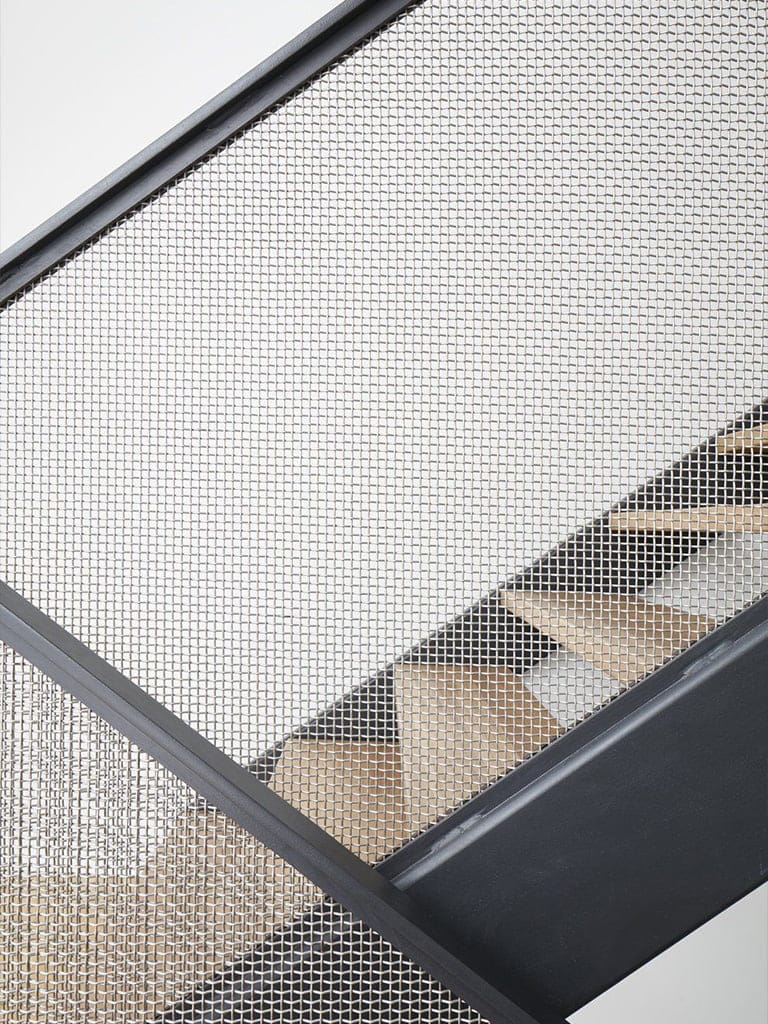
A safety element that prevents falls and defines boundaries.
A railing can be defined as a safety element used in an architectural structure or as part of a structure. It is generally used to prevent falling from heights, to increase safety, or to impose a limit on a certain area.
Key features
- Fall protection
- Area boundary
- Architectural aesthetics
- Metal / wood / glass / composite
Documents
What a railing does
Safety: Railings are used to prevent falls from heights. They are used to provide safety especially on stairs, terraces and balconies, on roofs and in similar places.
Boundary: Railings can also be used to impose a limit on a certain area. For example, a railing placed at the edge of a garden creates a clear boundary between the garden and the area outside.
Aesthetics: Railings can also be used as part of the architectural design and can contribute to the overall aesthetics of the structure. They can be produced in different materials and designs, adding a visual element to the structure.
Guidance: Railings can also be used to direct people in crowded spaces or along a certain route. For example, the railings of a bridge can guide pedestrian traffic to follow a certain direction.
Materials
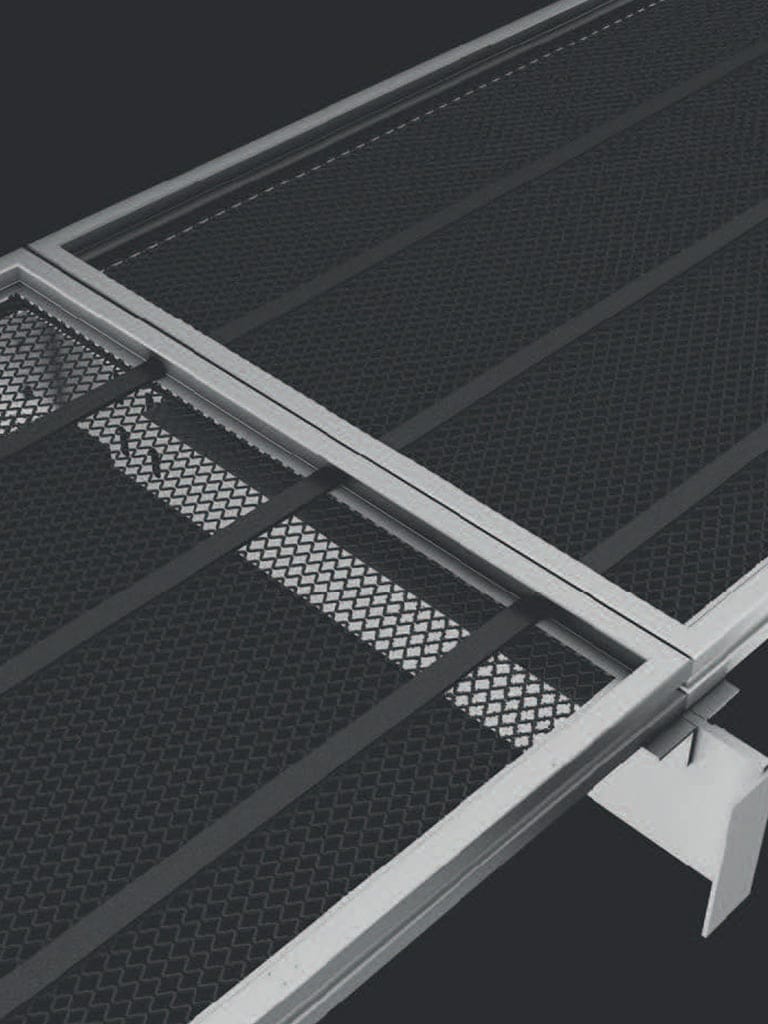
Railings can generally be made of metal, wood, glass or composite materials and can be designed in different ways depending on the structure and the purpose of use.
Completed projects
 Office · 2024
BET365 Office
Office · 2024
BET365 Office
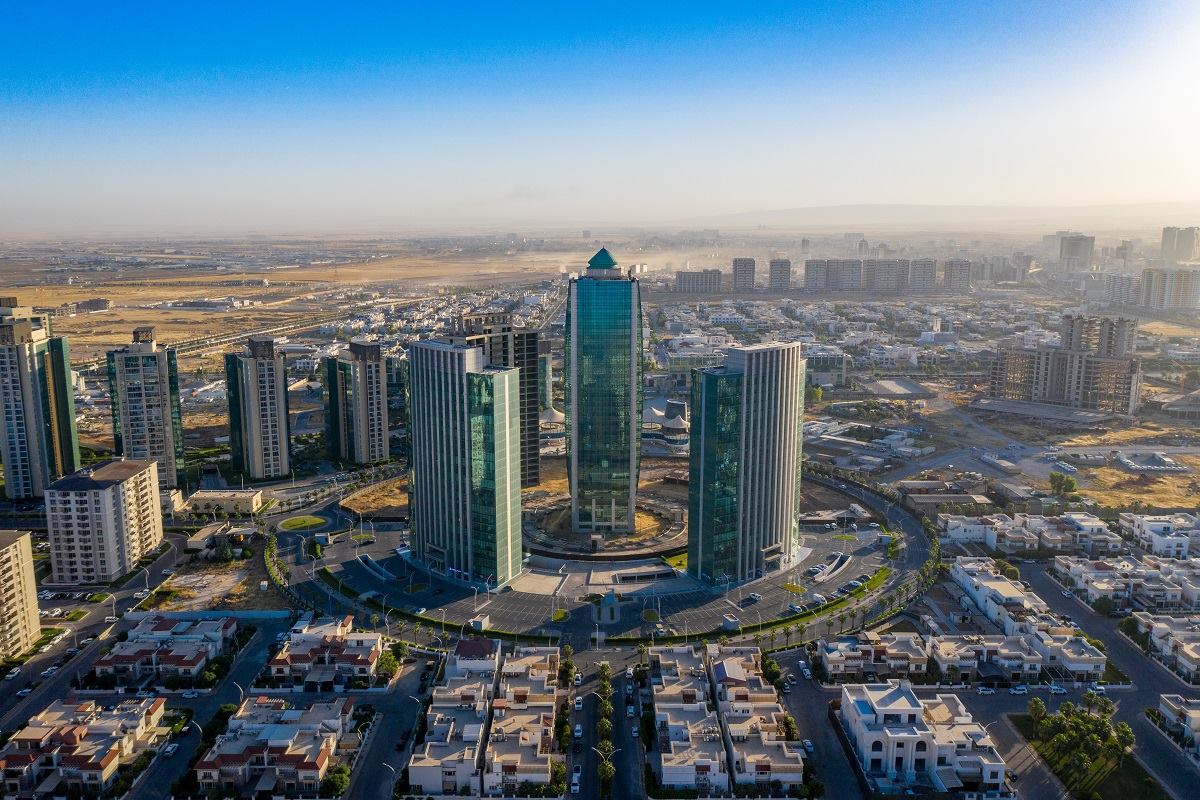 Office · 2019
Business Tower
Office · 2019
Business Tower
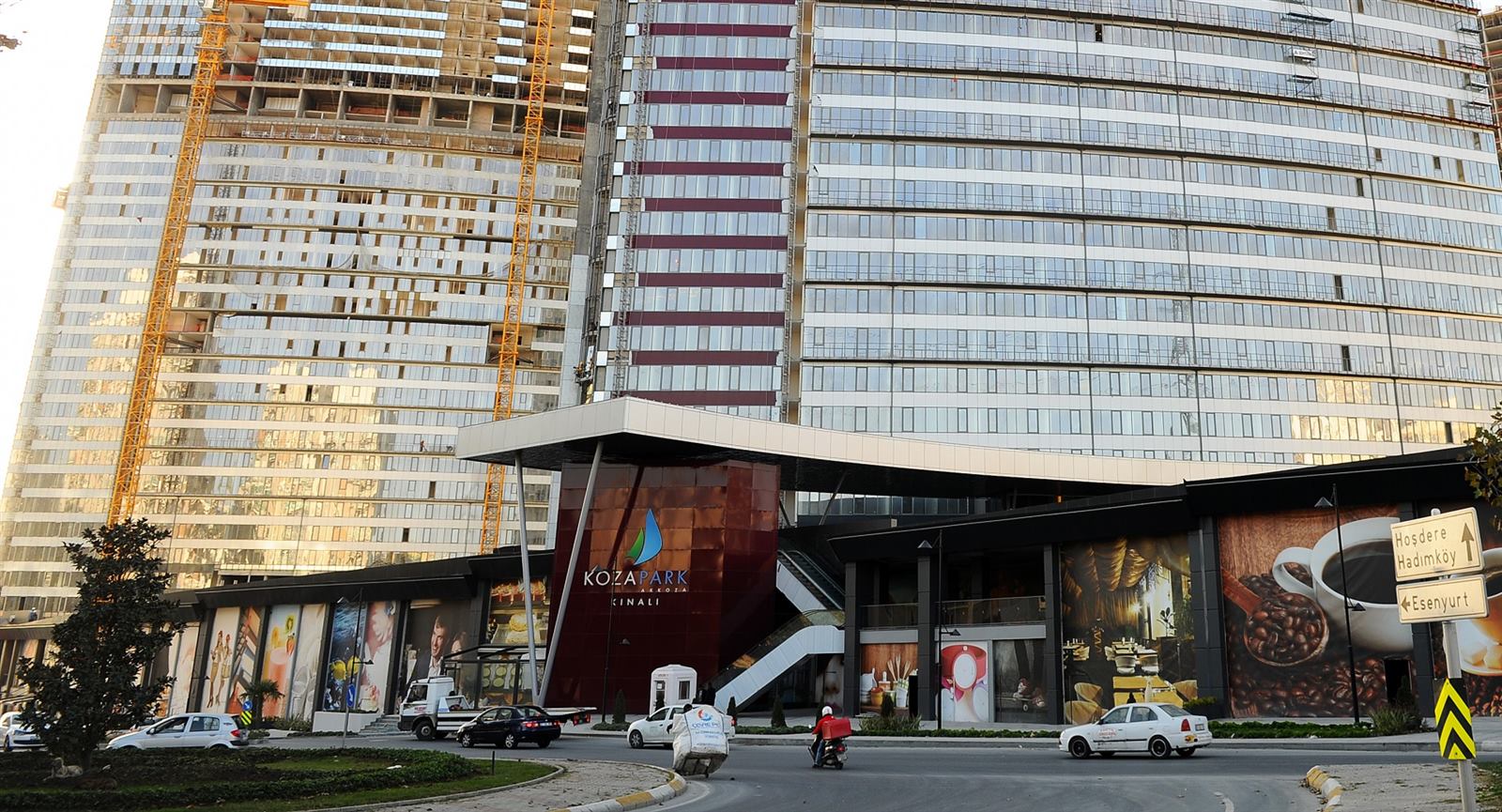 Office · 2024
Garanti Kozapark
Office · 2024
Garanti Kozapark
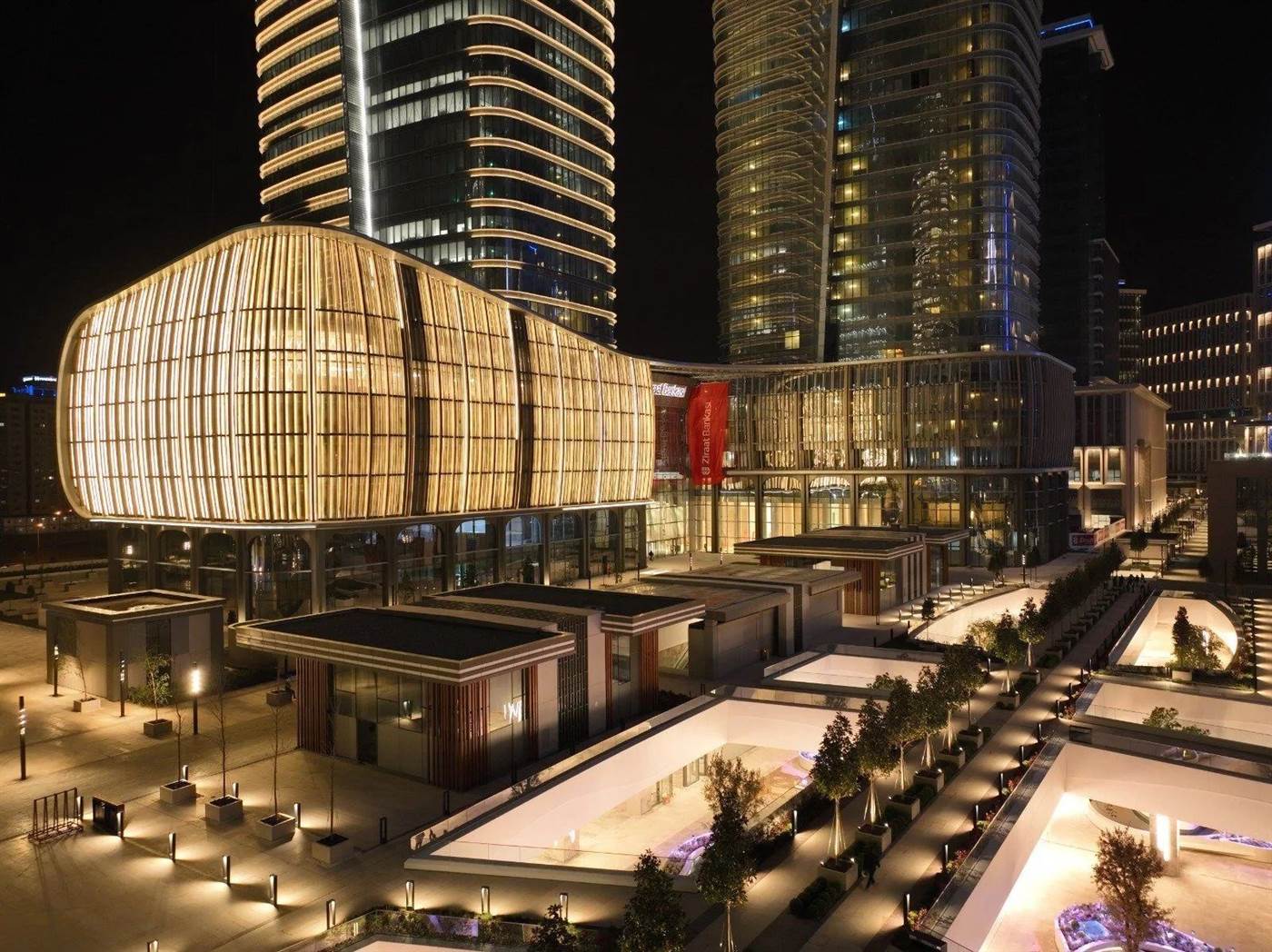 Office · 2024
Ziraat Bank Central Podium
Office · 2024
Ziraat Bank Central Podium
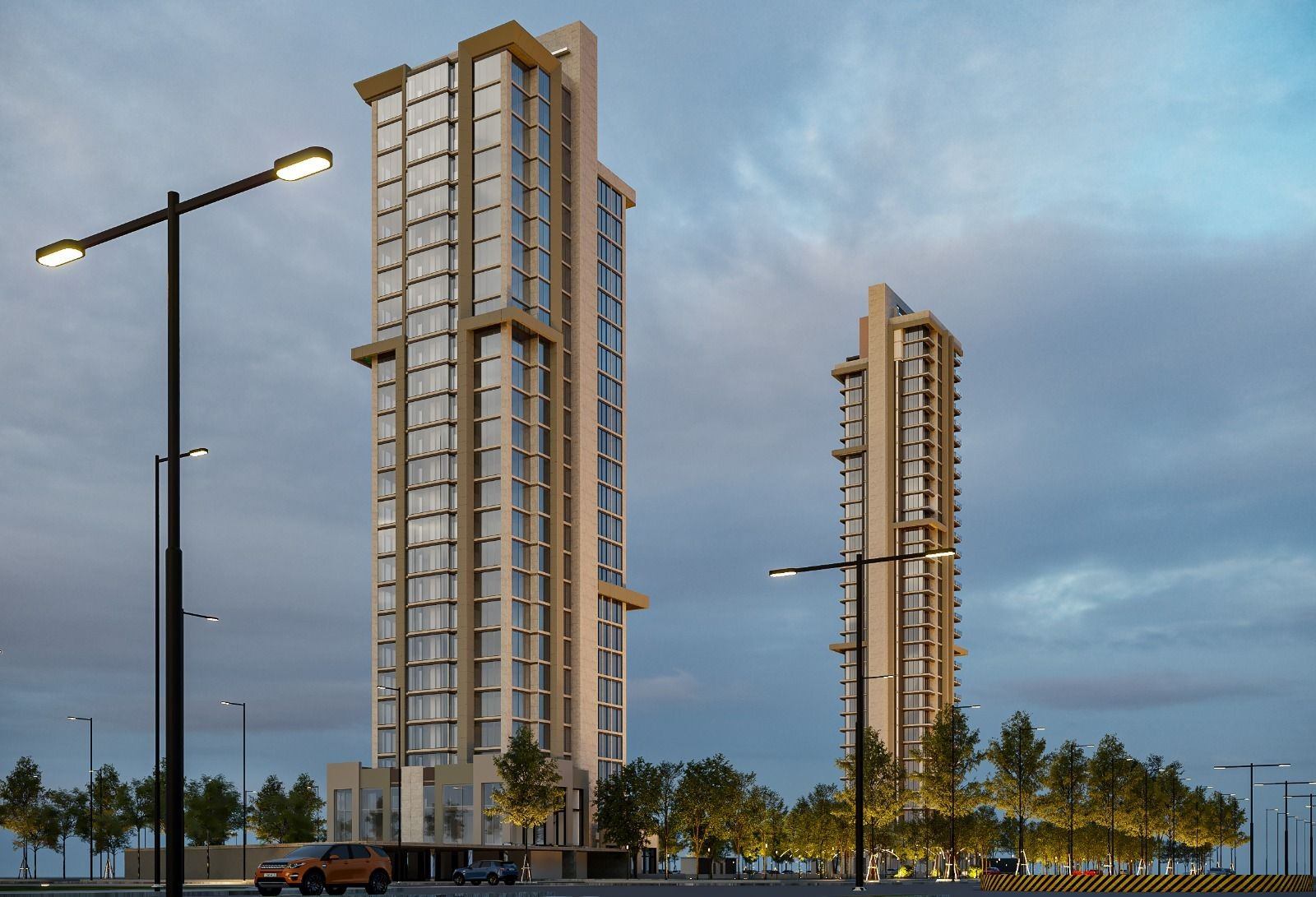 Residence · 2024
Tuna Park Atasehir
Residence · 2024
Tuna Park Atasehir
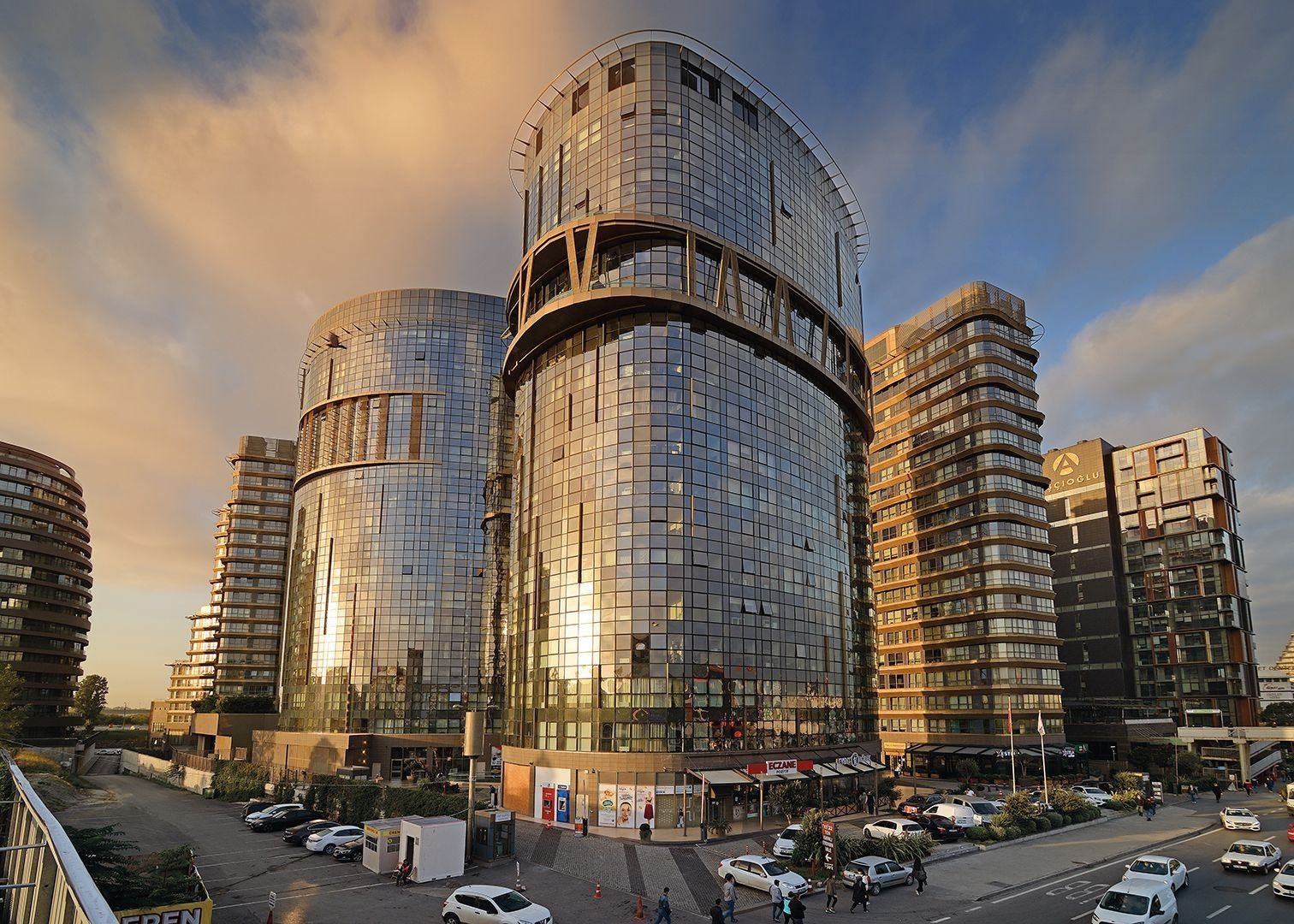 Residence · 2024
Nef22 B-E-F Blocks
Residence · 2024
Nef22 B-E-F Blocks
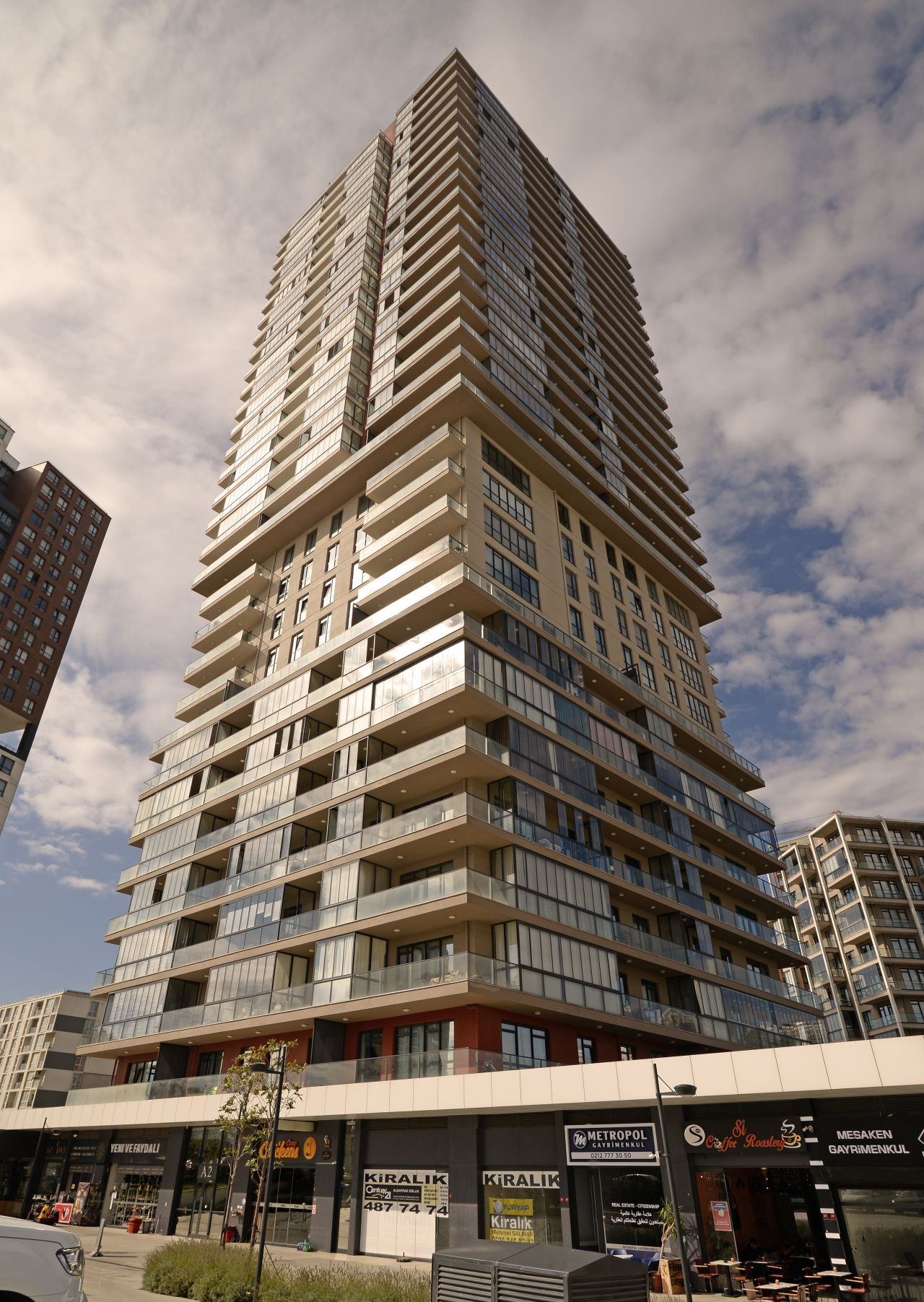 Mixed-Use · 2024
Adim Istanbul
Mixed-Use · 2024
Adim Istanbul
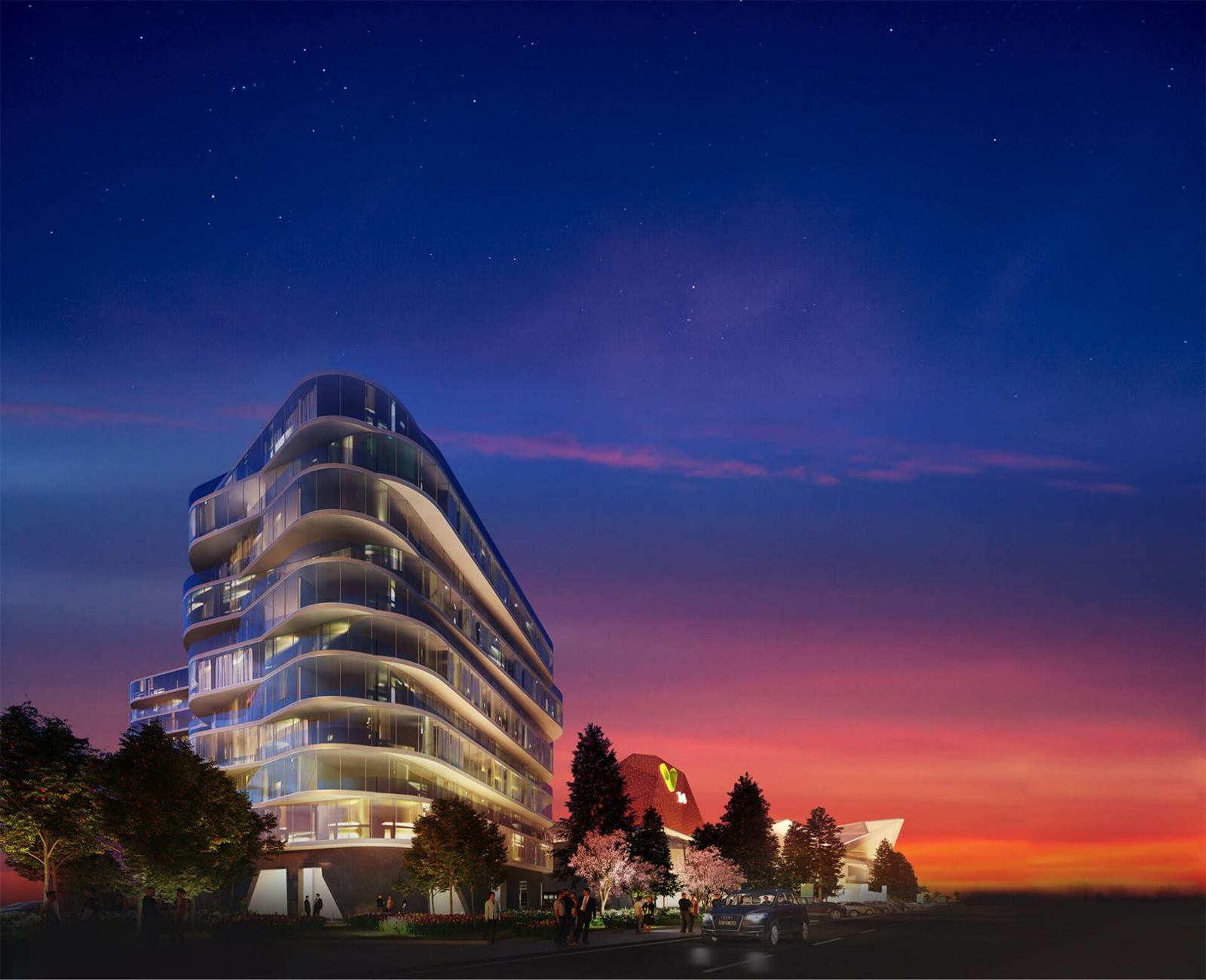 Mall · 2024
14 Burda Residence & Mall
Mall · 2024
14 Burda Residence & Mall
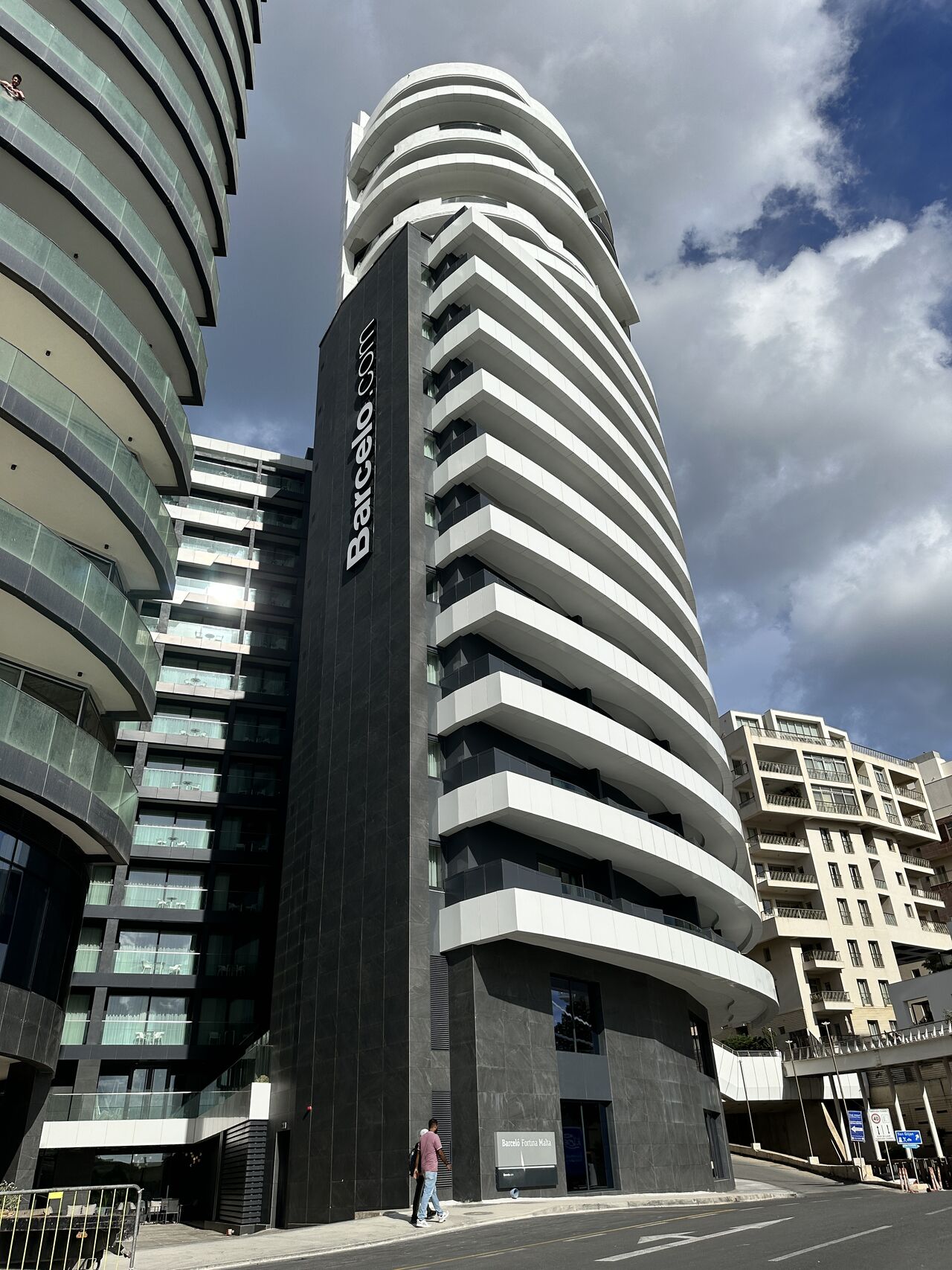 Hotel · 2024
Barceló Fortina Hotel
Hotel · 2024
Barceló Fortina Hotel
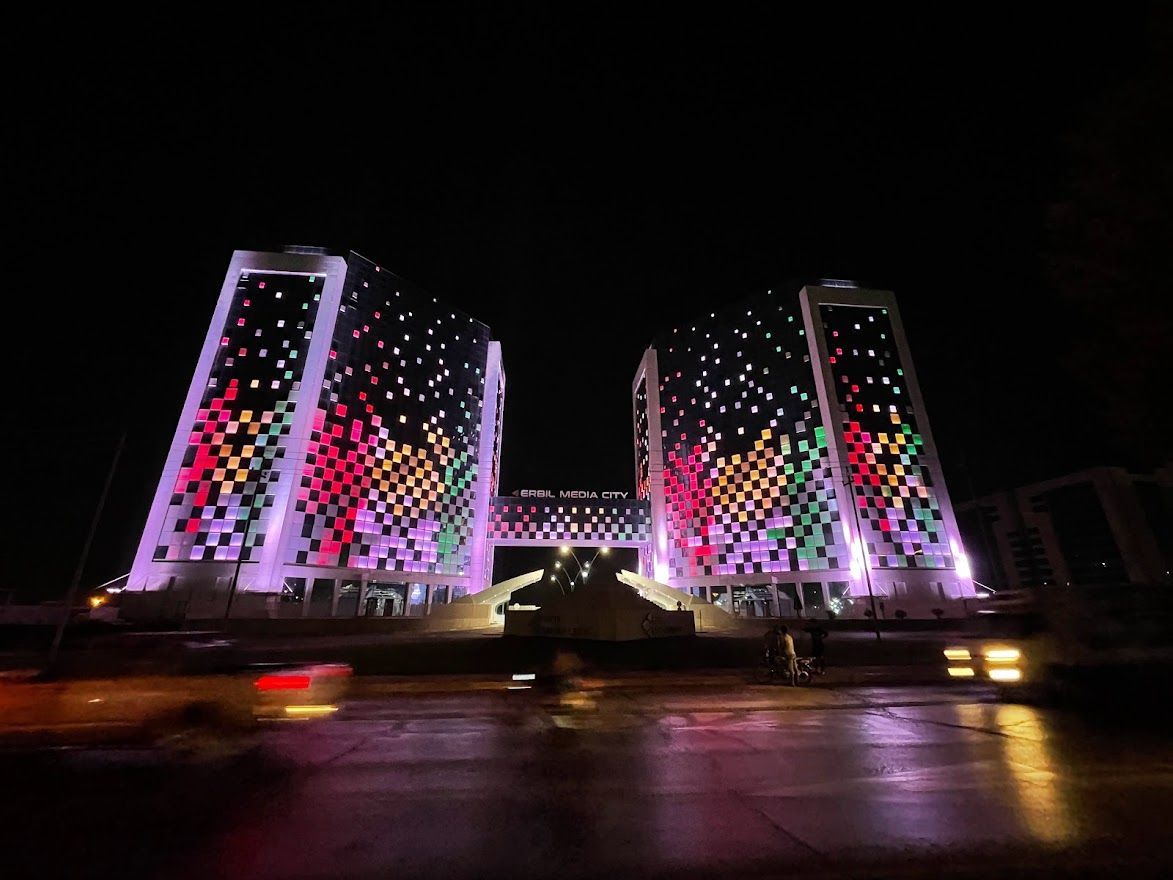 Office · 2024
Erbil Media City
Office · 2024
Erbil Media City