
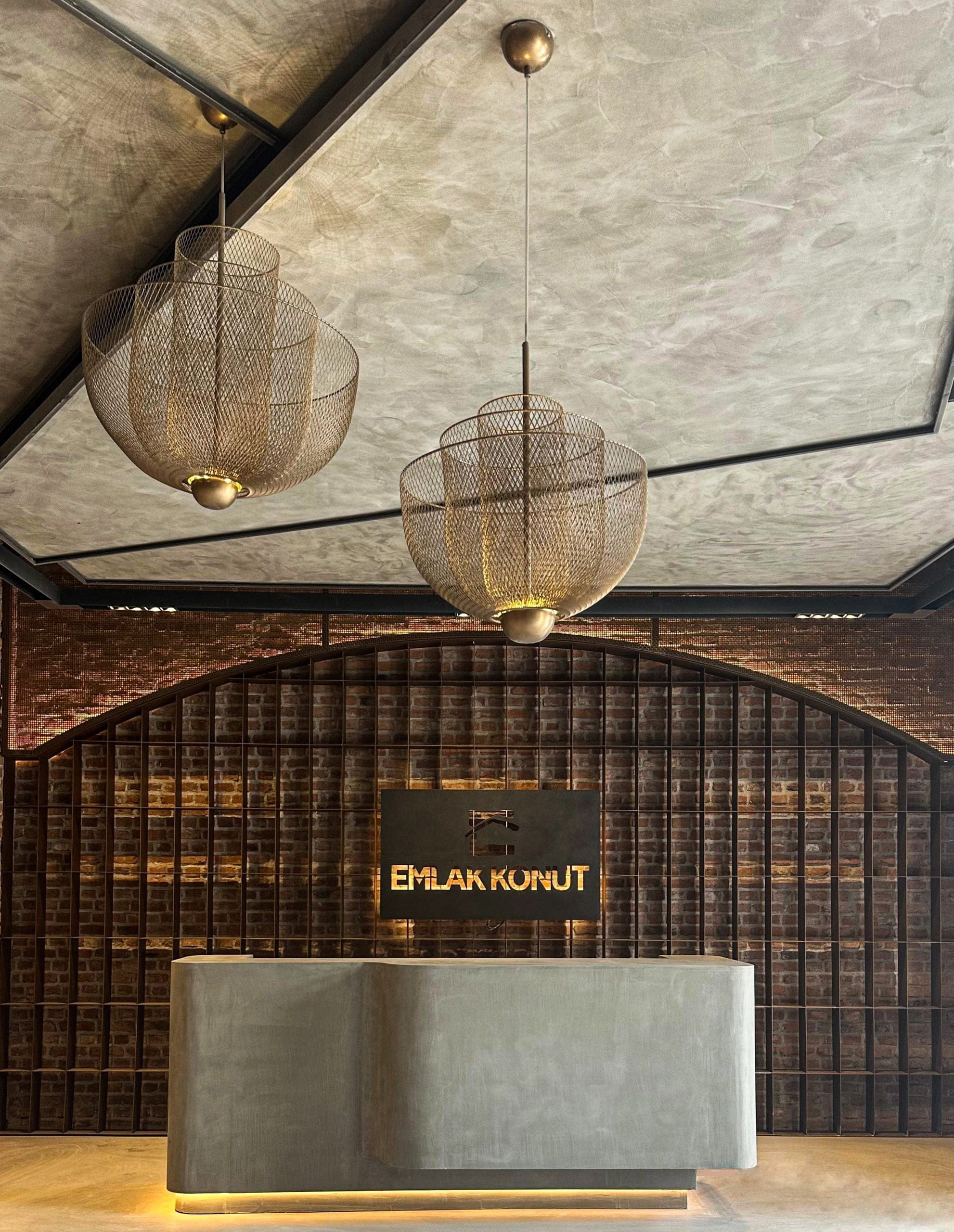
Metal lighting elements that meet functional and aesthetic needs.
Lighting design is the correct use of light to meet the functional and aesthetic needs of spaces. Metal materials are of great importance in lighting design, because metal offers various advantages in terms of both durability and aesthetics.
Key features
- Durable, long-lasting metals
- Wide aesthetic range
- Efficient thermal management
- Recyclable & sustainable
In application
Drag to explore — click an image to enlarge.
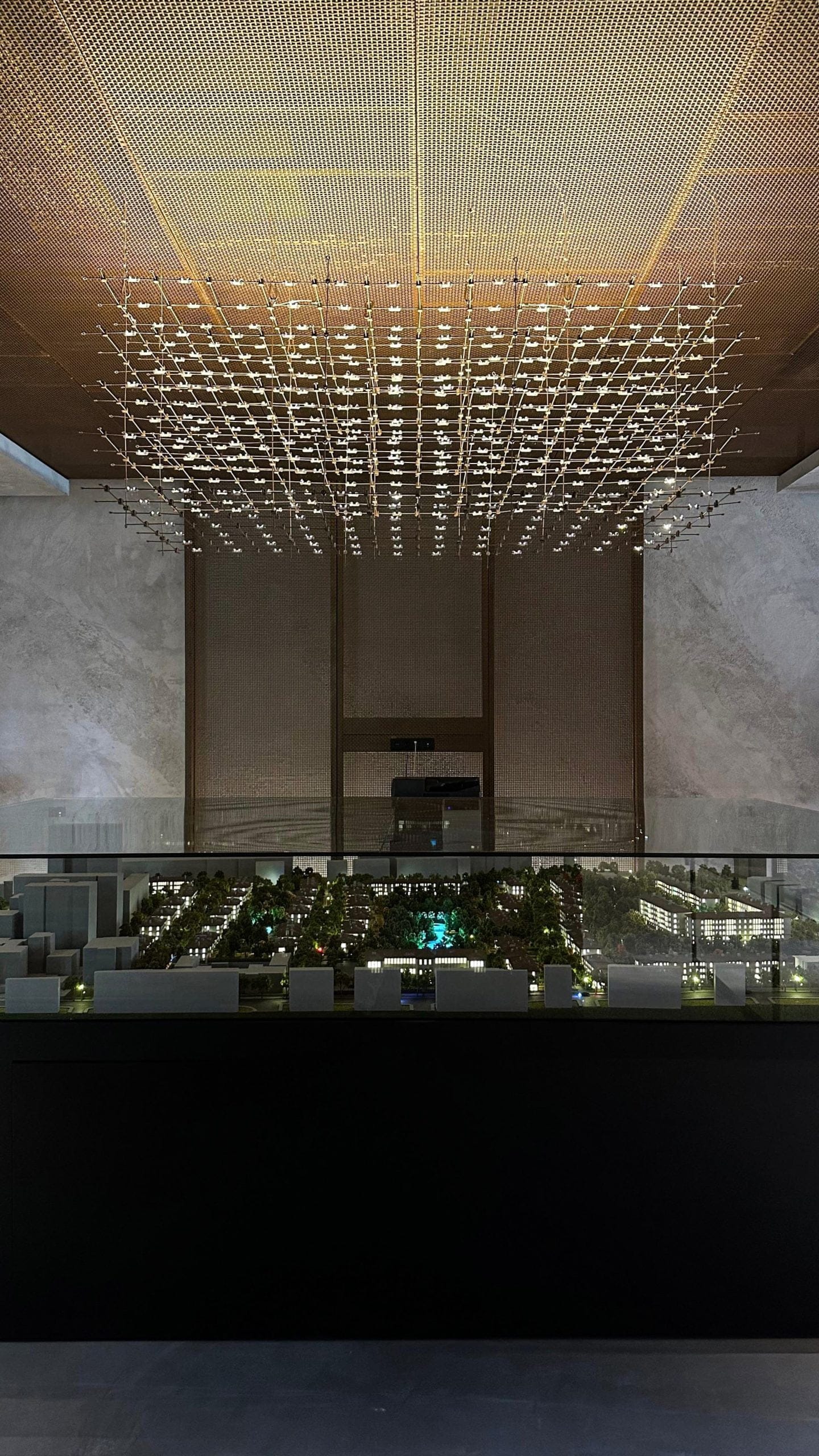
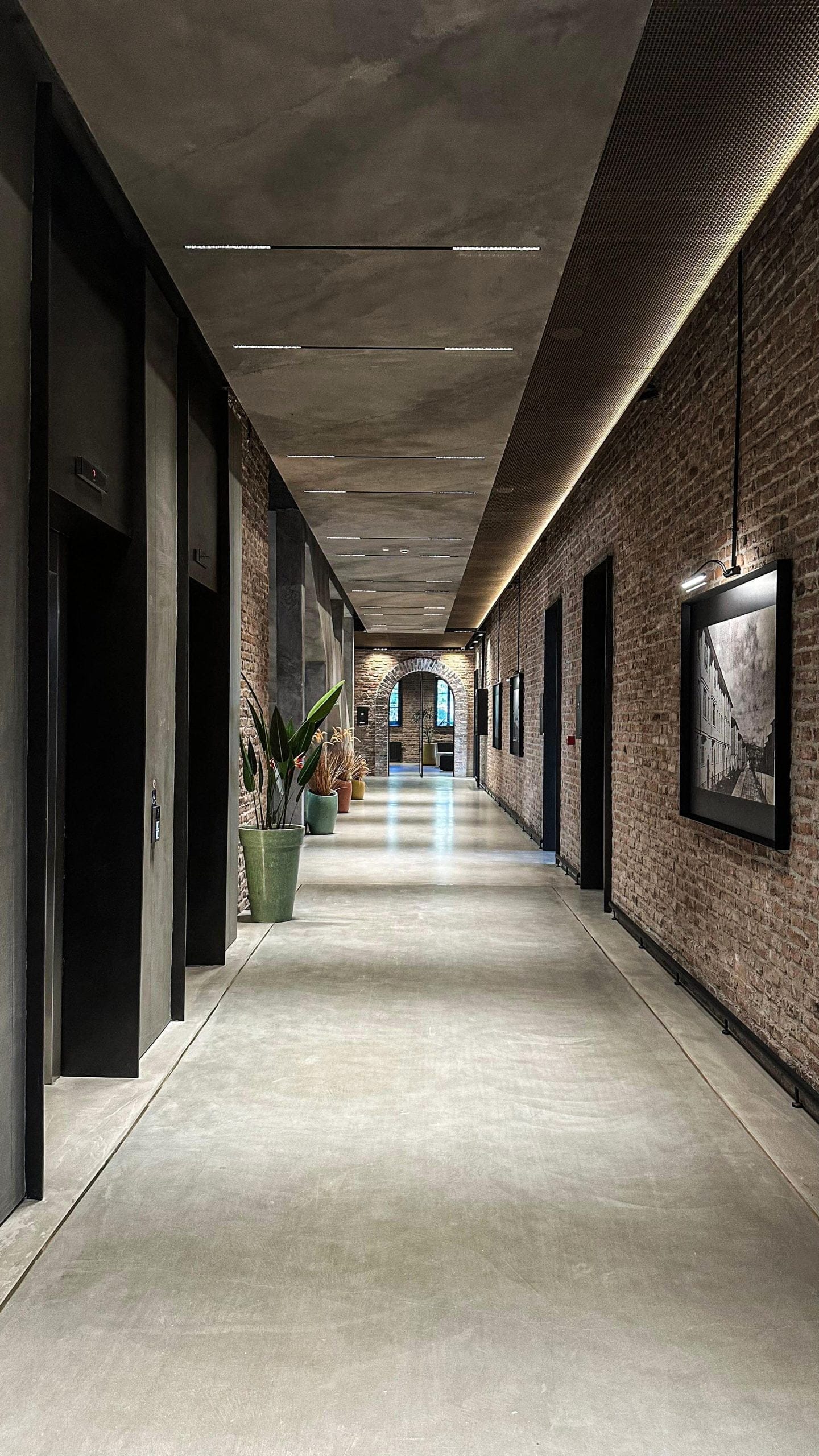
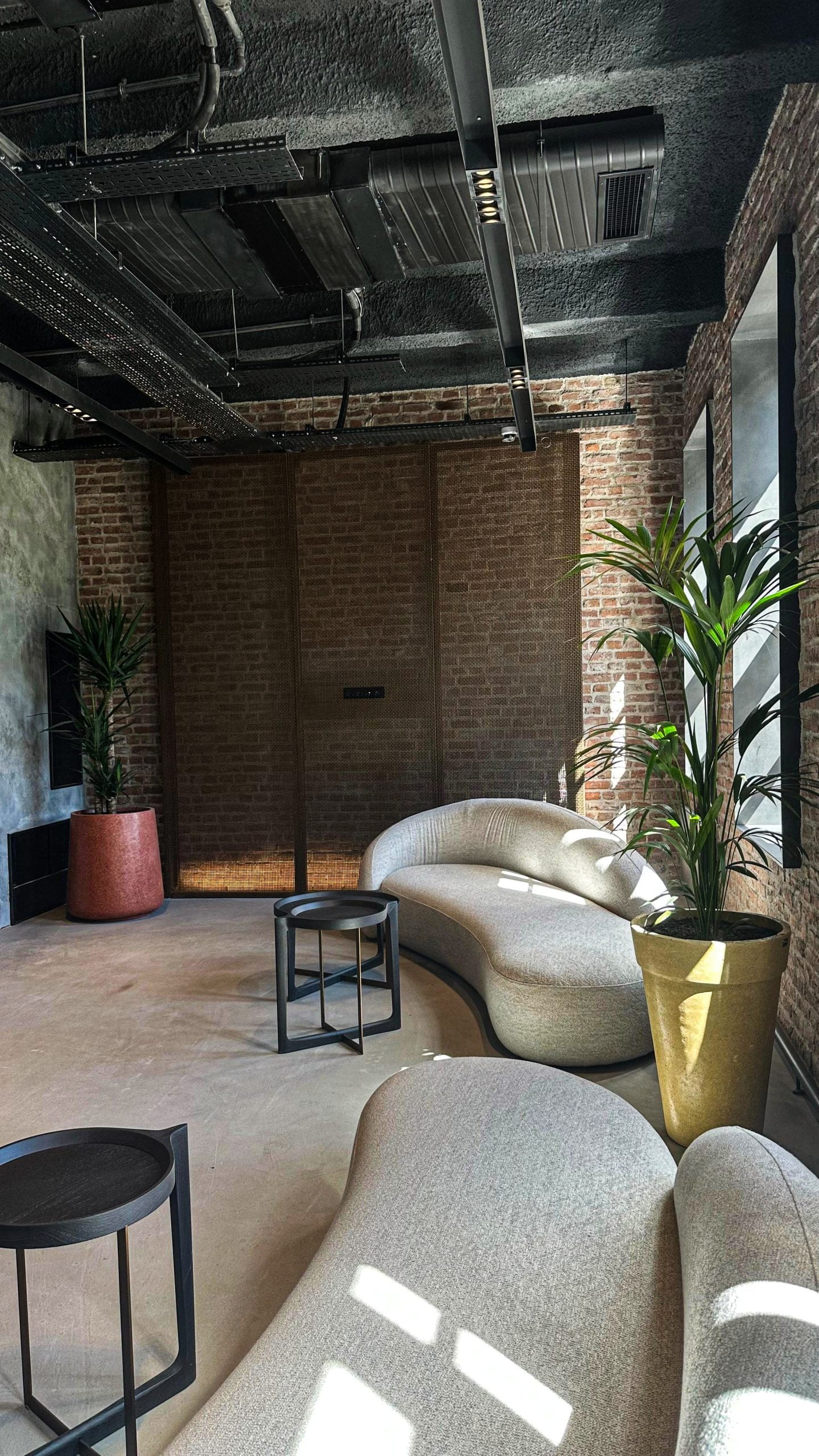
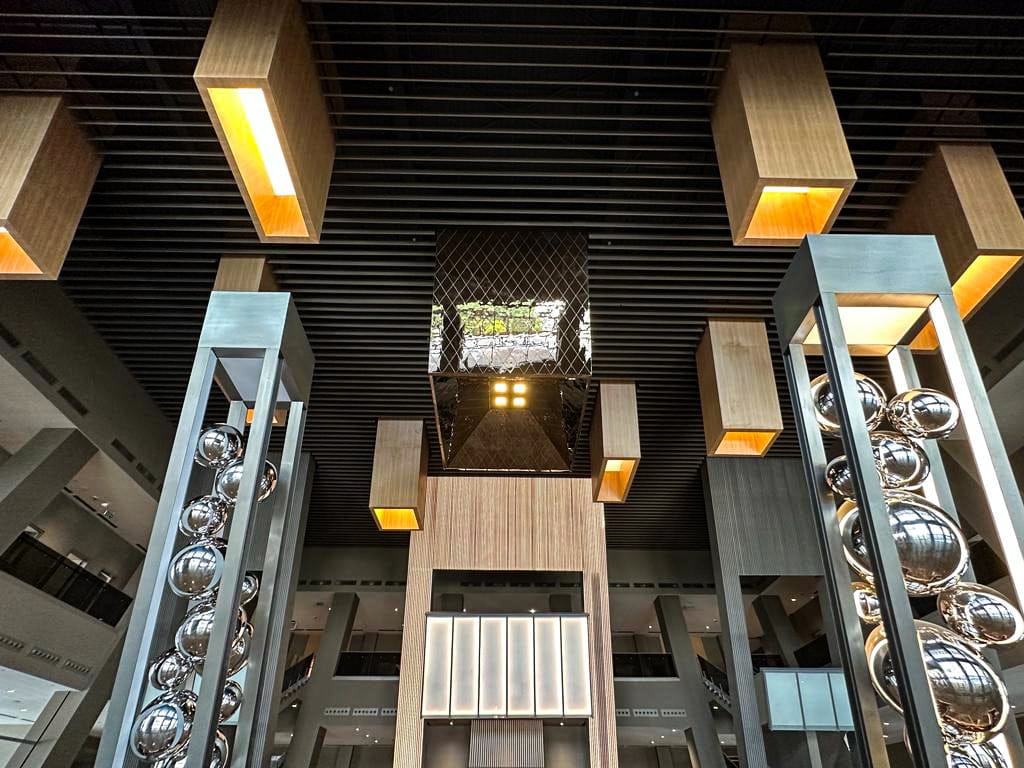
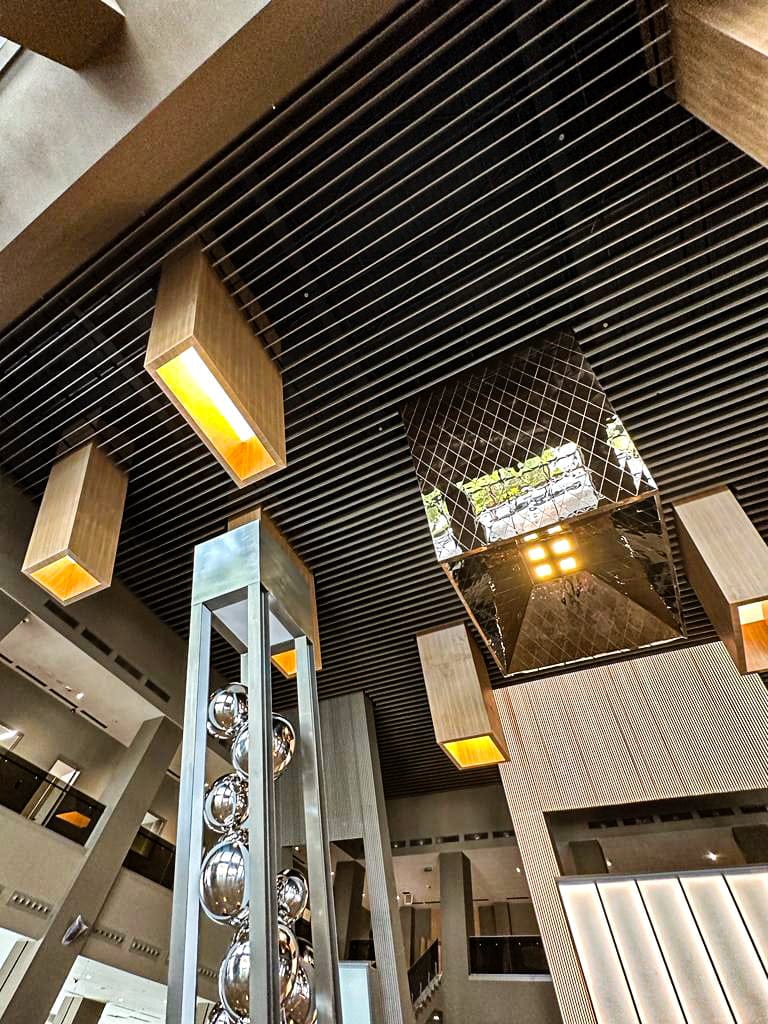
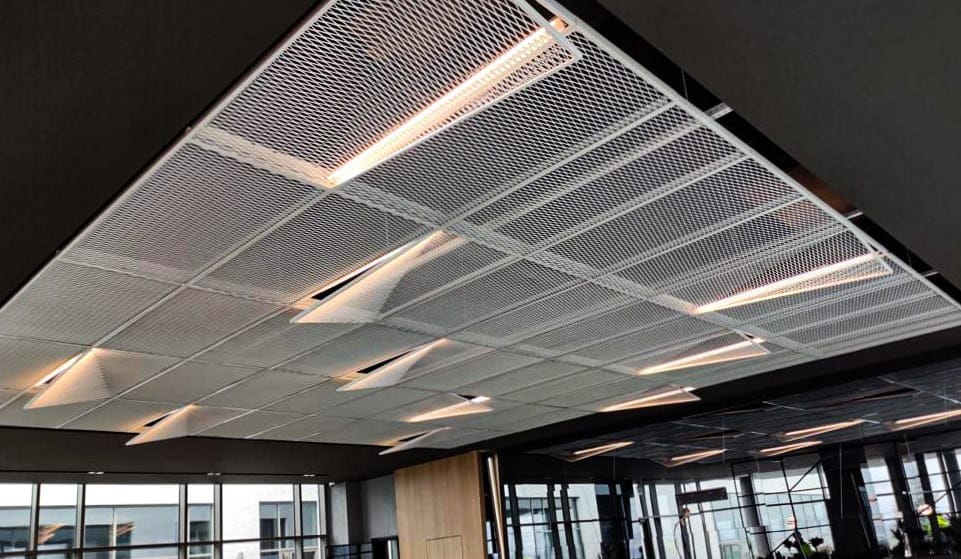
Durability & long life
Metals are frequently preferred materials in lighting fixtures because they are long-lasting and durable. Metals such as stainless steel, aluminium and brass are resistant to environmental conditions and do not wear over time. These properties make metal indispensable, especially in outdoor lighting designs.
Aesthetics & variety
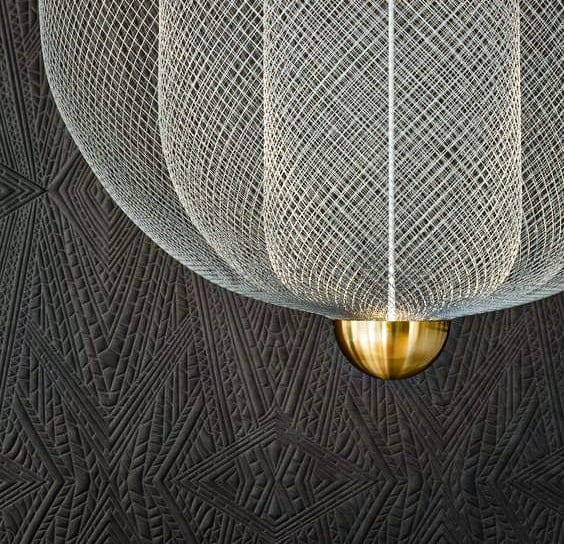
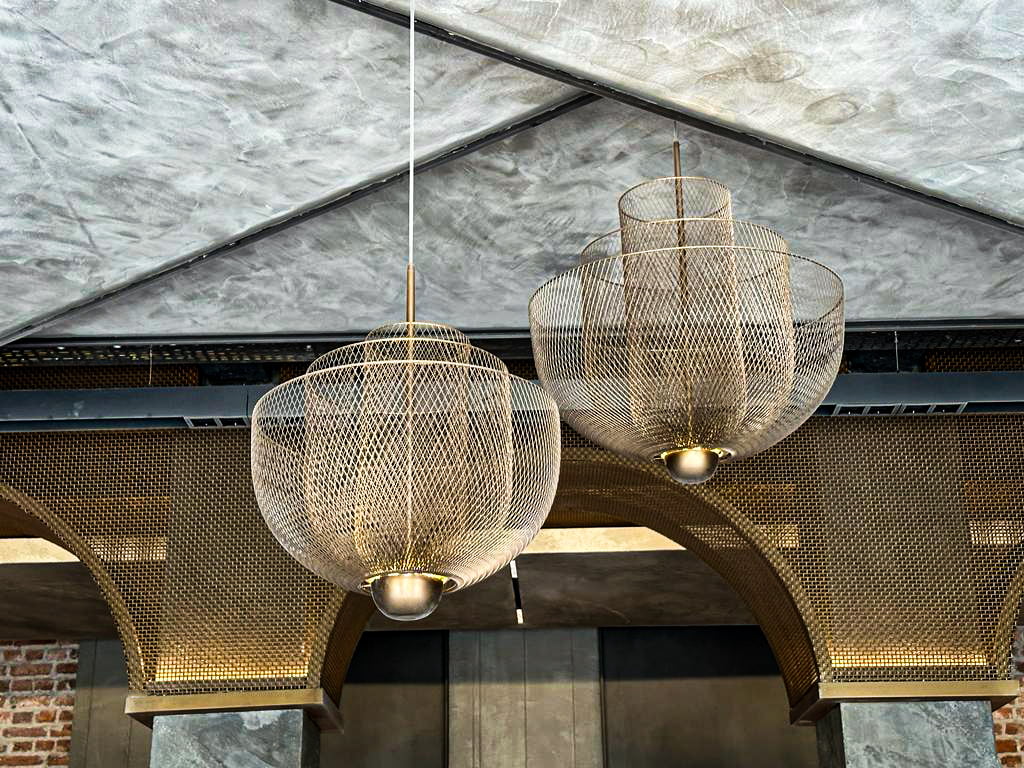
The workability and variety of metals offer a wide aesthetic range in lighting design. Different metal types and surface treatments allow fixtures to be designed in various styles — modern, industrial, classic or rustic. For example, matte-black painted aluminium gives a modern, minimalist look, while polished brass creates a classic, luxurious atmosphere. Surface treatments such as polishing, coating or brushing increase the aesthetic value of the fixtures and give the space character.
Thermal management
Metal materials also play an important role in the thermal management of lighting fixtures. Even modern light sources such as LEDs produce some heat, and this heat needs to be dissipated effectively. The high thermal conductivity of metals allows heat to be dispersed quickly, which extends the life of the LEDs and improves the performance of the fixtures. Metals such as aluminium are ideal materials for cooling fins and other heat-dissipating elements.
Functional design
The flexibility and durability of metal allow for functional and innovative lighting designs. Thin, light metal parts make it possible to realise complex, detailed designs. Functional features such as adjustable-arm lamps, movable heads or foldable structures become possible thanks to metal materials.
Sustainability
Metal materials are an environmentally friendly option thanks to their recyclability. Metals such as aluminium, steel and brass can be reprocessed and reused. This contributes to a sustainable design approach and reduces environmental impact. In addition, the long service life of metal fixtures reduces the need for frequent replacement, which lowers the amount of waste and resource consumption.
Design & the role of metal
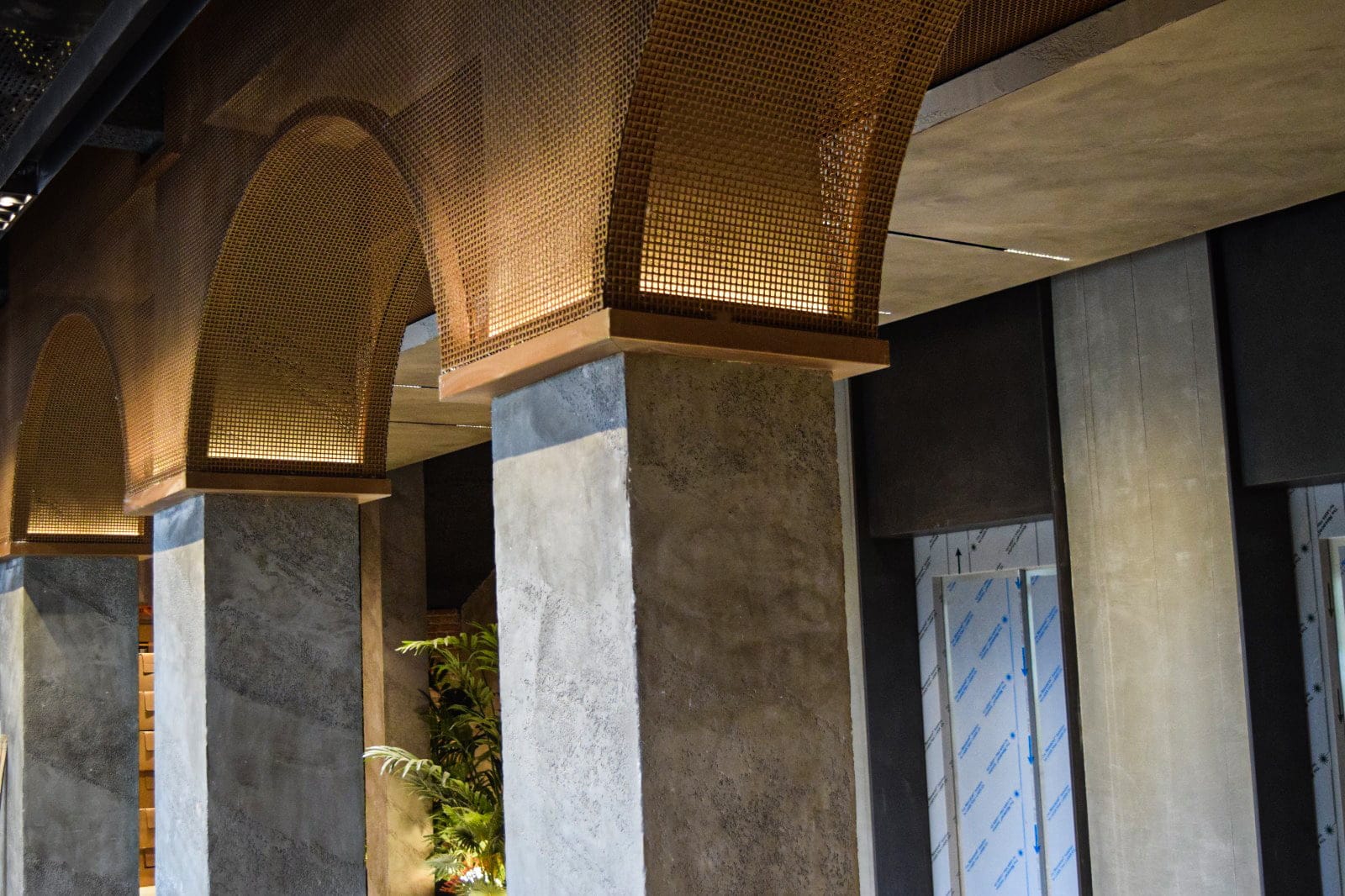
Metal plays an important role not only in functionality but also in the design itself. Its ability to create plays of light and shadow is made possible by the reflective and transmissive properties of metal. Metal fixtures can be designed to direct light in a particular way and create a certain atmosphere in the space. For example, perforated metal panels let light pass through in patterns, creating visual interest in the space.
Examples of metal in lighting design
Modern interiors: Stainless steel and chrome-plated fixtures are frequently used in minimalist, contemporary interiors.
Industrial design: Raw metal surfaces, tubular fixtures and exposed connection elements are the basic elements of industrial design.
Classic & luxury spaces: Warm-toned metals such as brass and bronze are ideal for luxurious, classic designs.
Outdoor lighting: Corrosion-resistant metals give outdoor lighting fixtures a long service life.
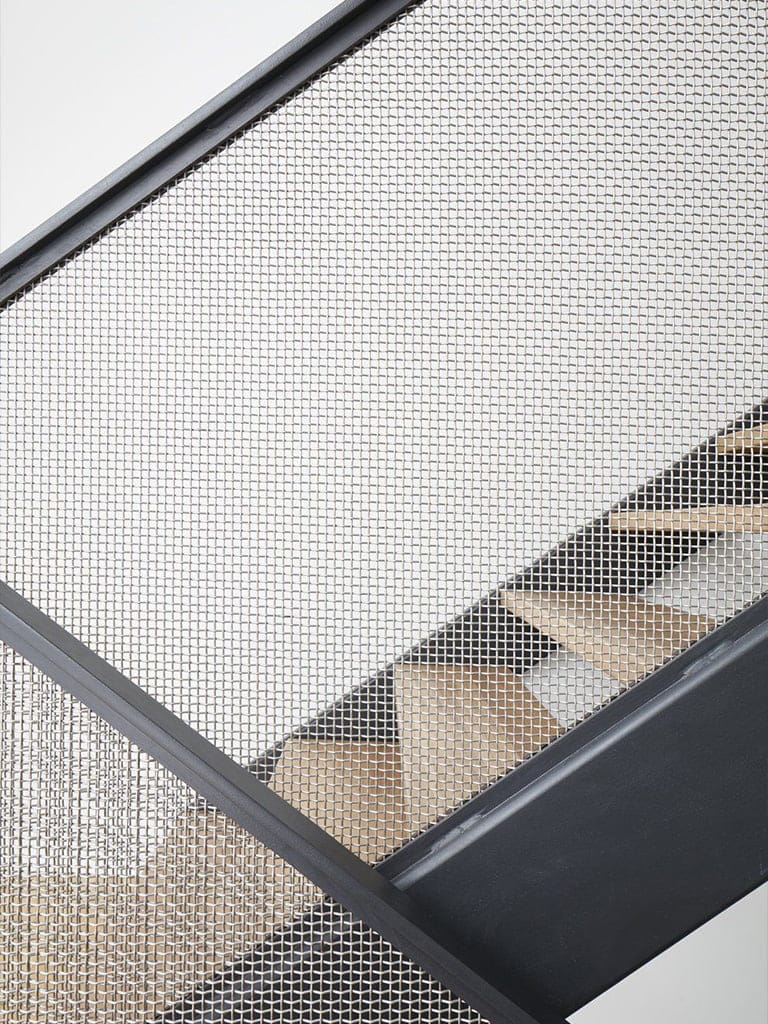
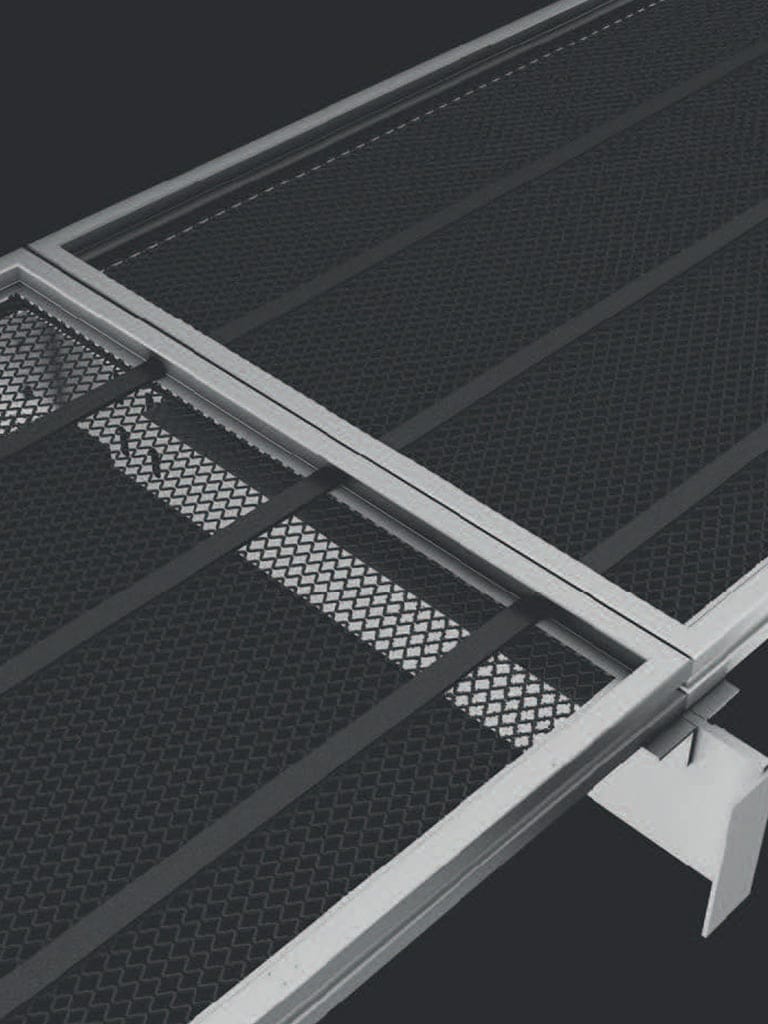
Completed projects
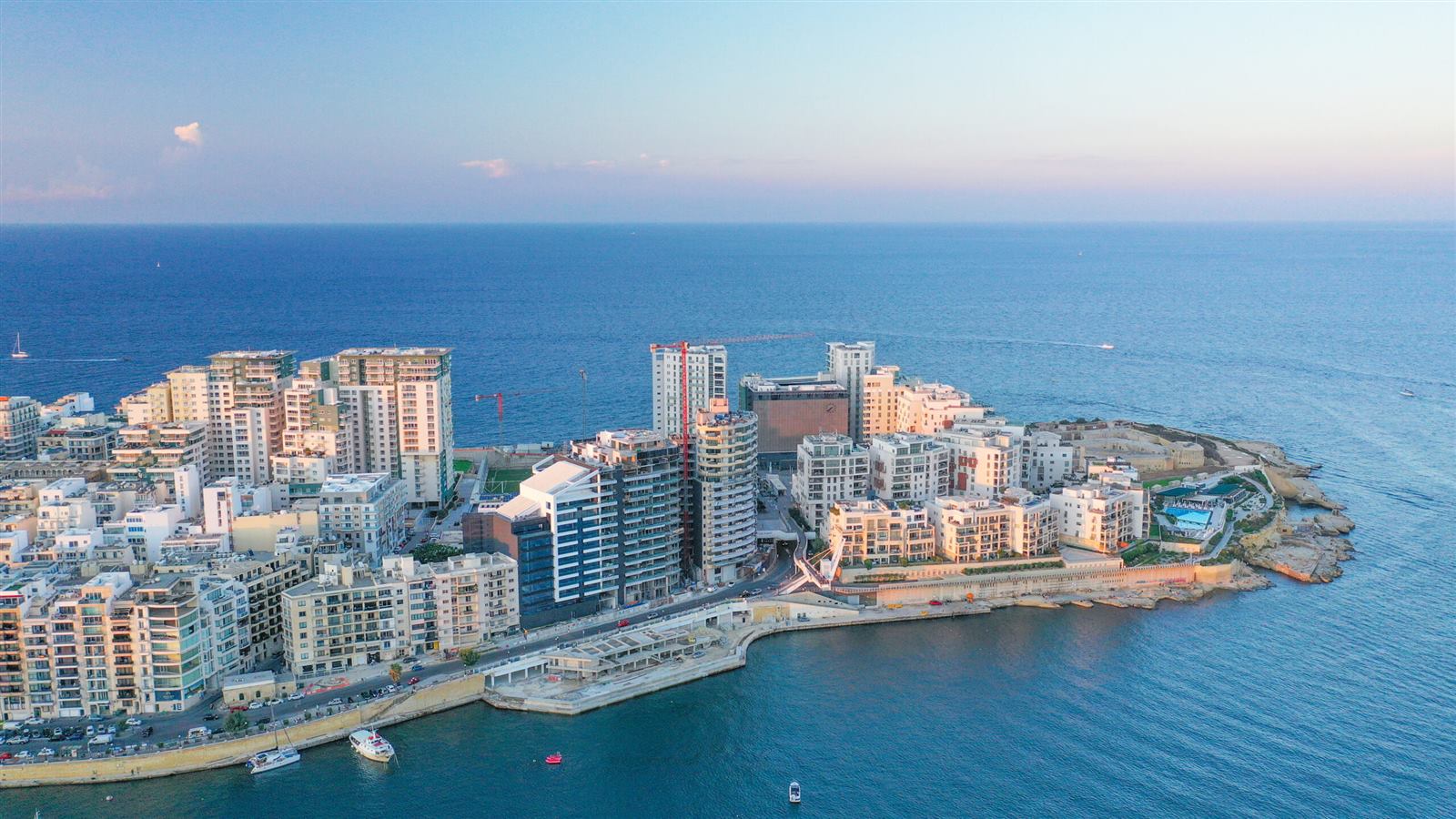 Office · 2024
BET365 Office
Office · 2024
BET365 Office
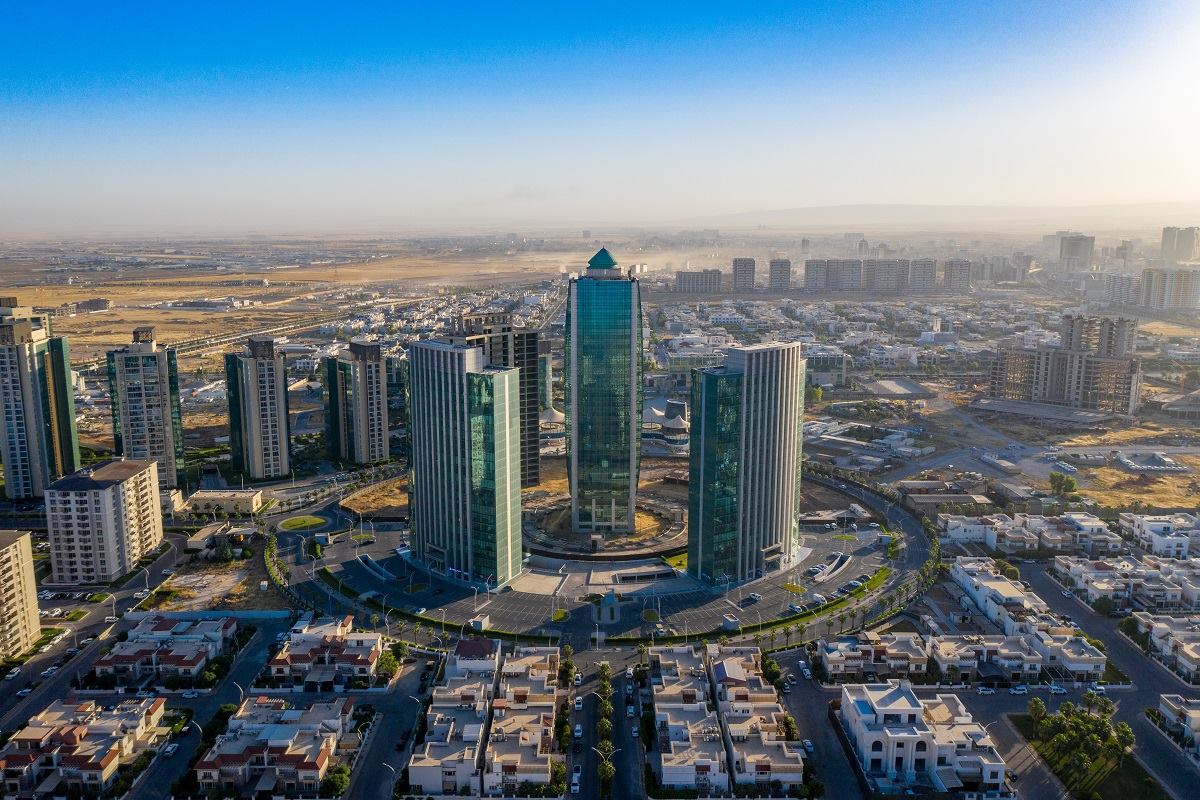 Office · 2019
Business Tower
Office · 2019
Business Tower
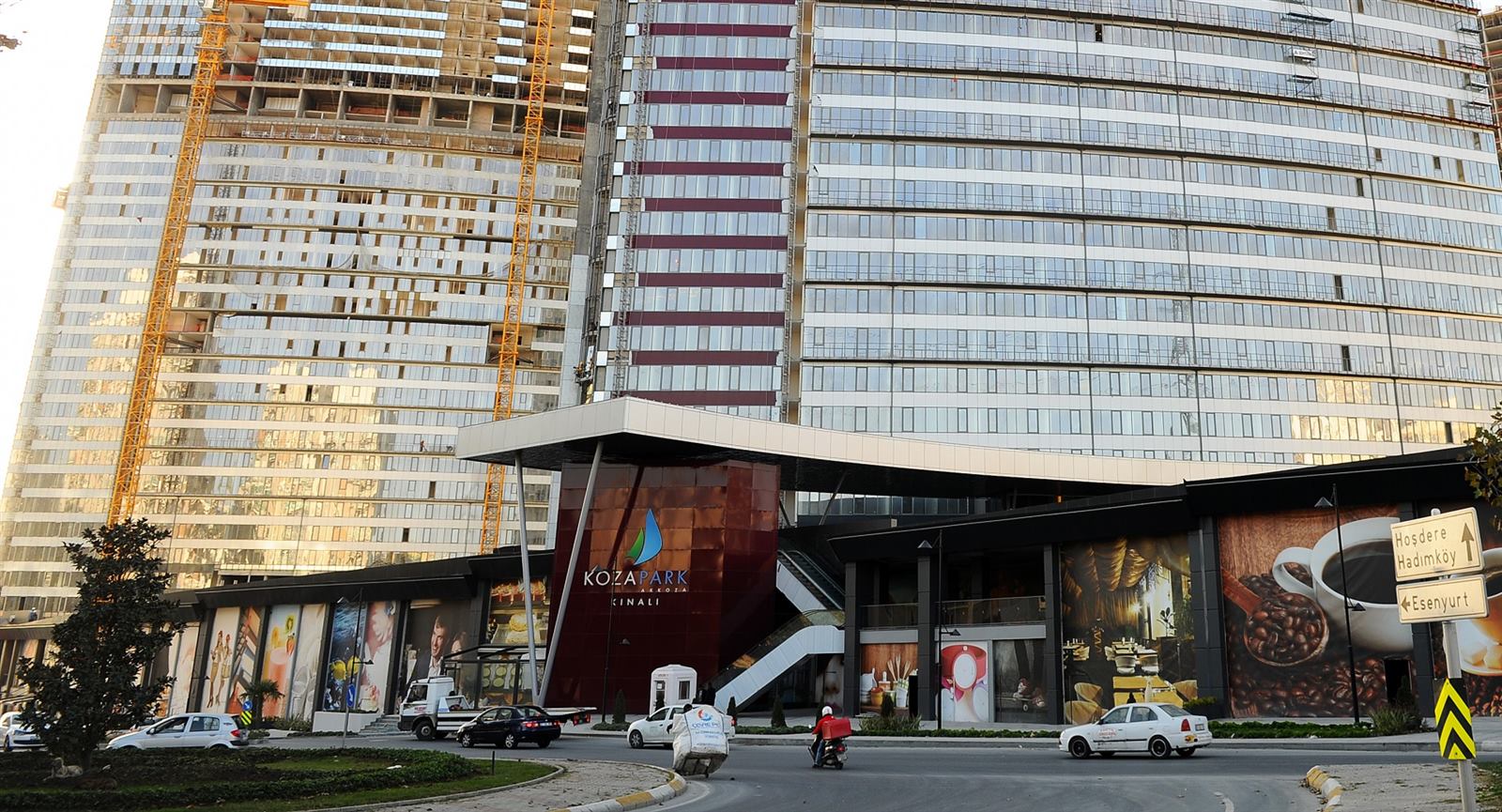 Office · 2024
Garanti Kozapark
Office · 2024
Garanti Kozapark
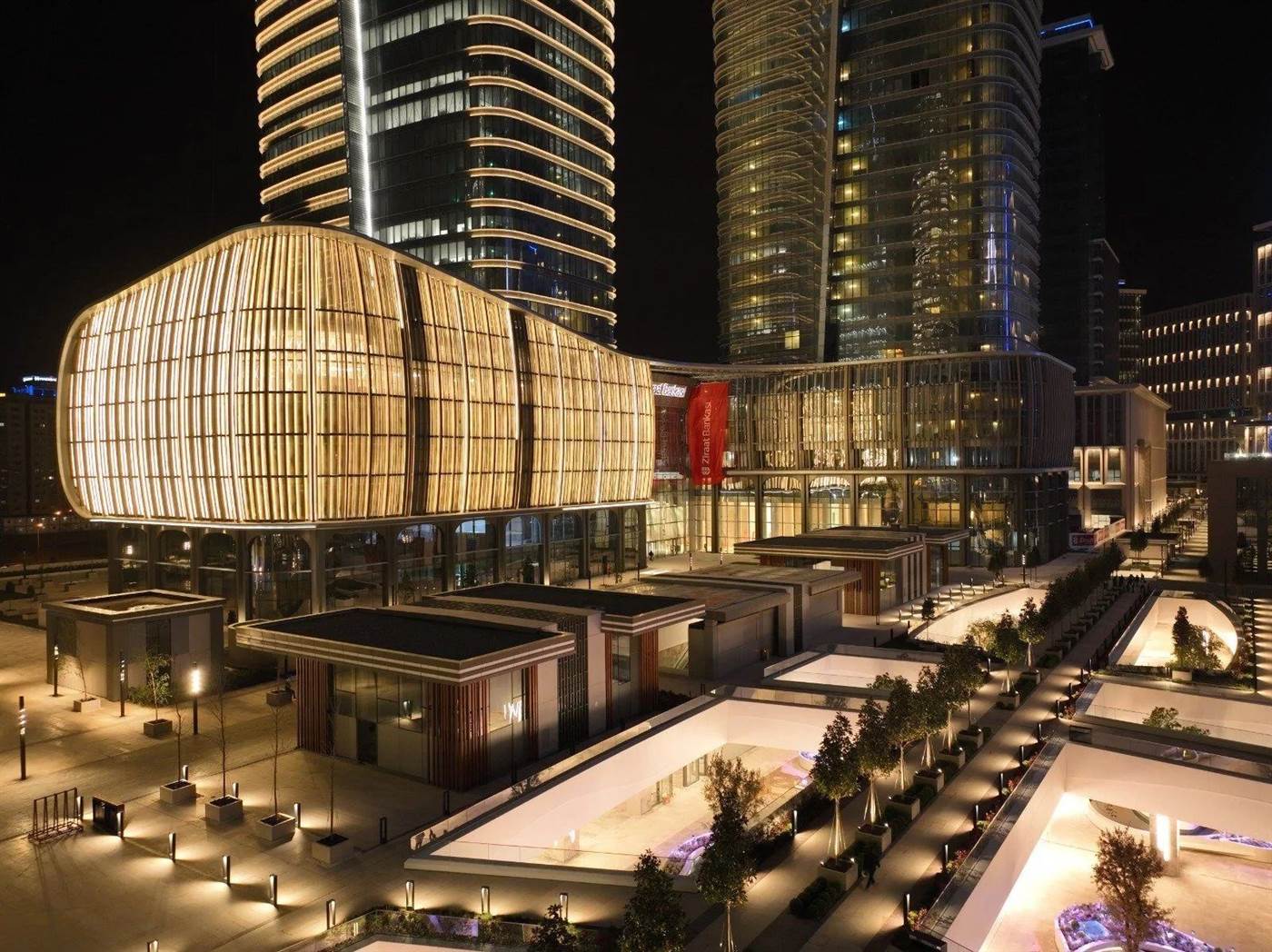 Office · 2024
Ziraat Bank Central Podium
Office · 2024
Ziraat Bank Central Podium
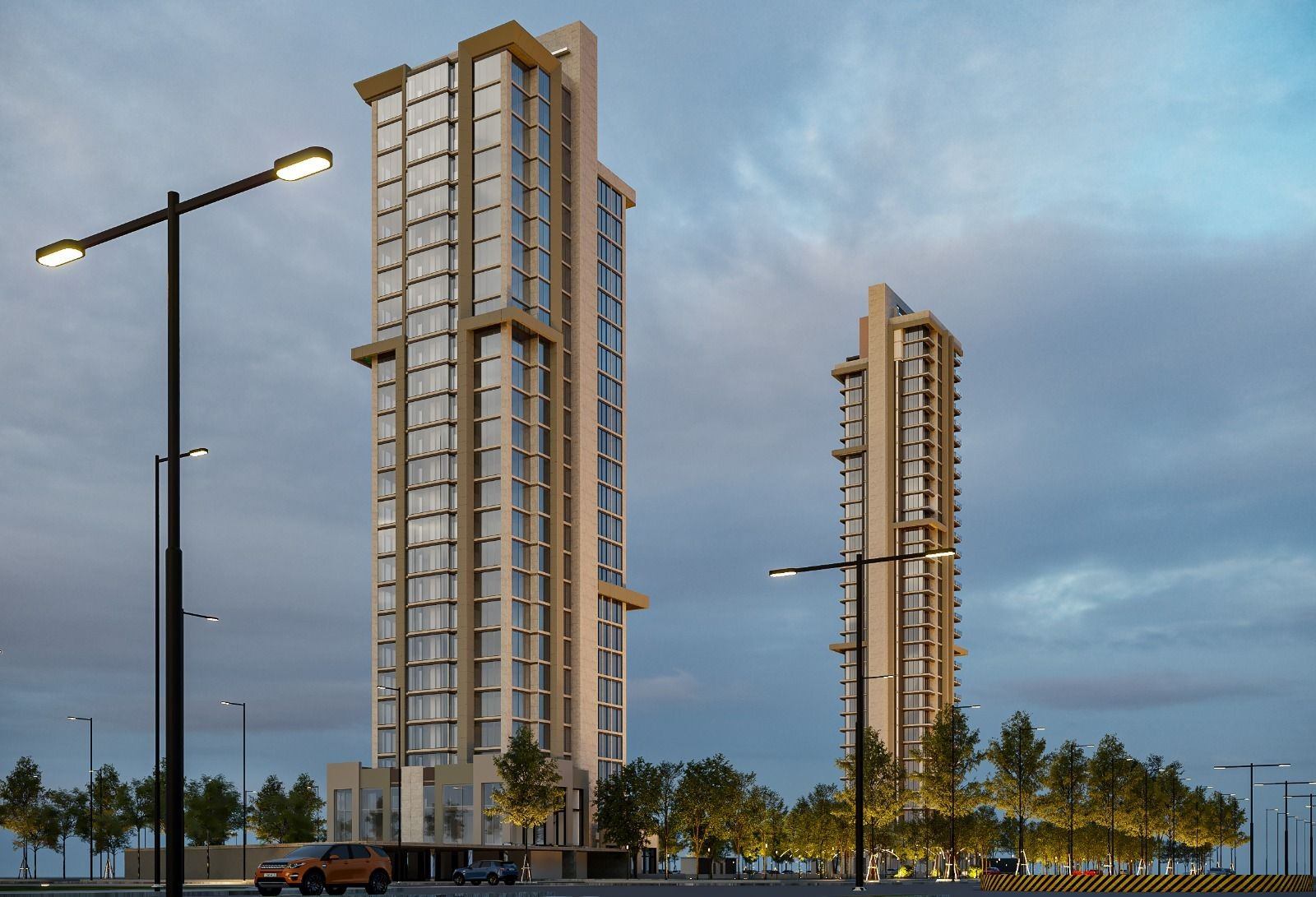 Residence · 2024
Tuna Park Atasehir
Residence · 2024
Tuna Park Atasehir
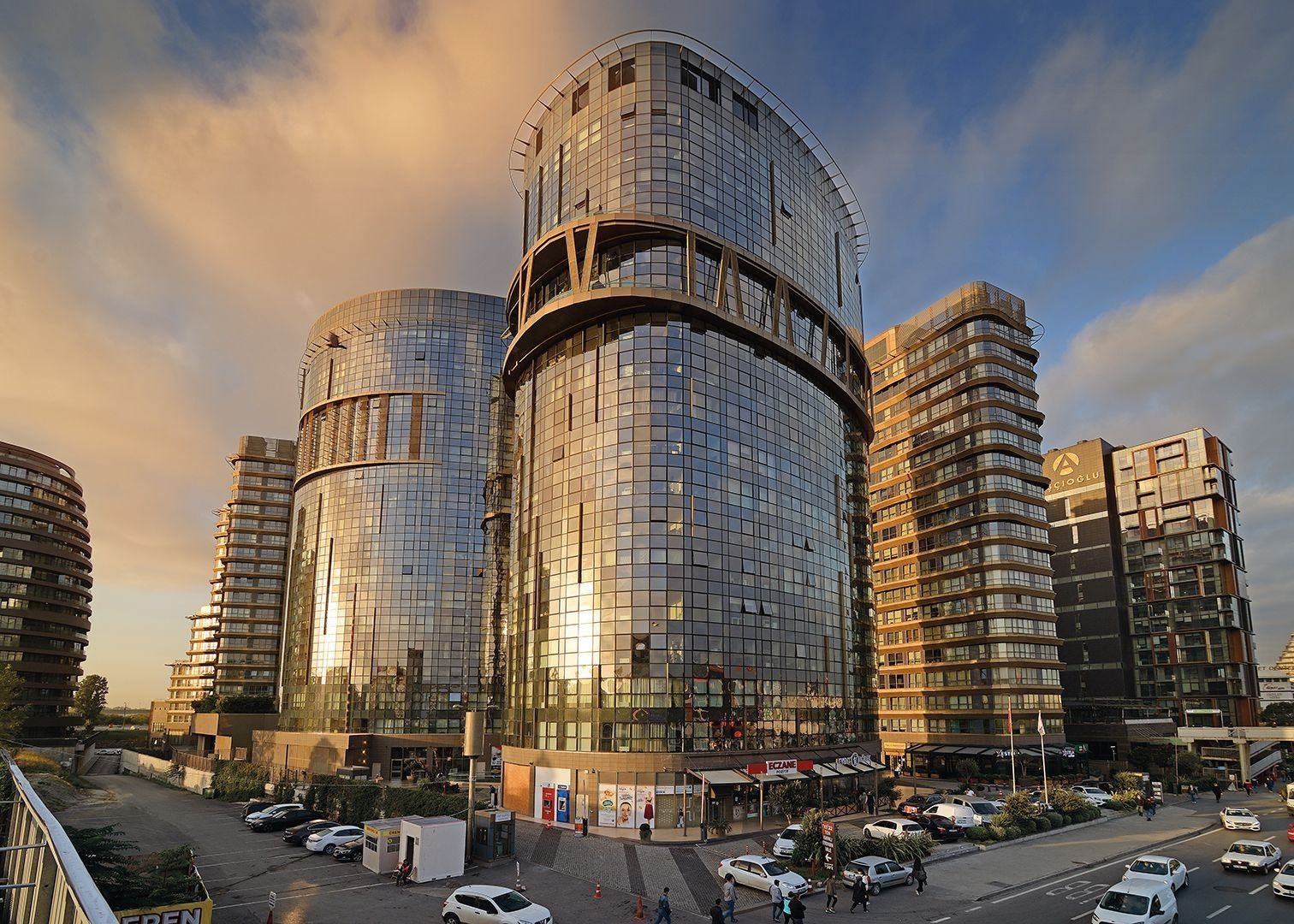 Residence · 2024
Nef22 B-E-F Blocks
Residence · 2024
Nef22 B-E-F Blocks
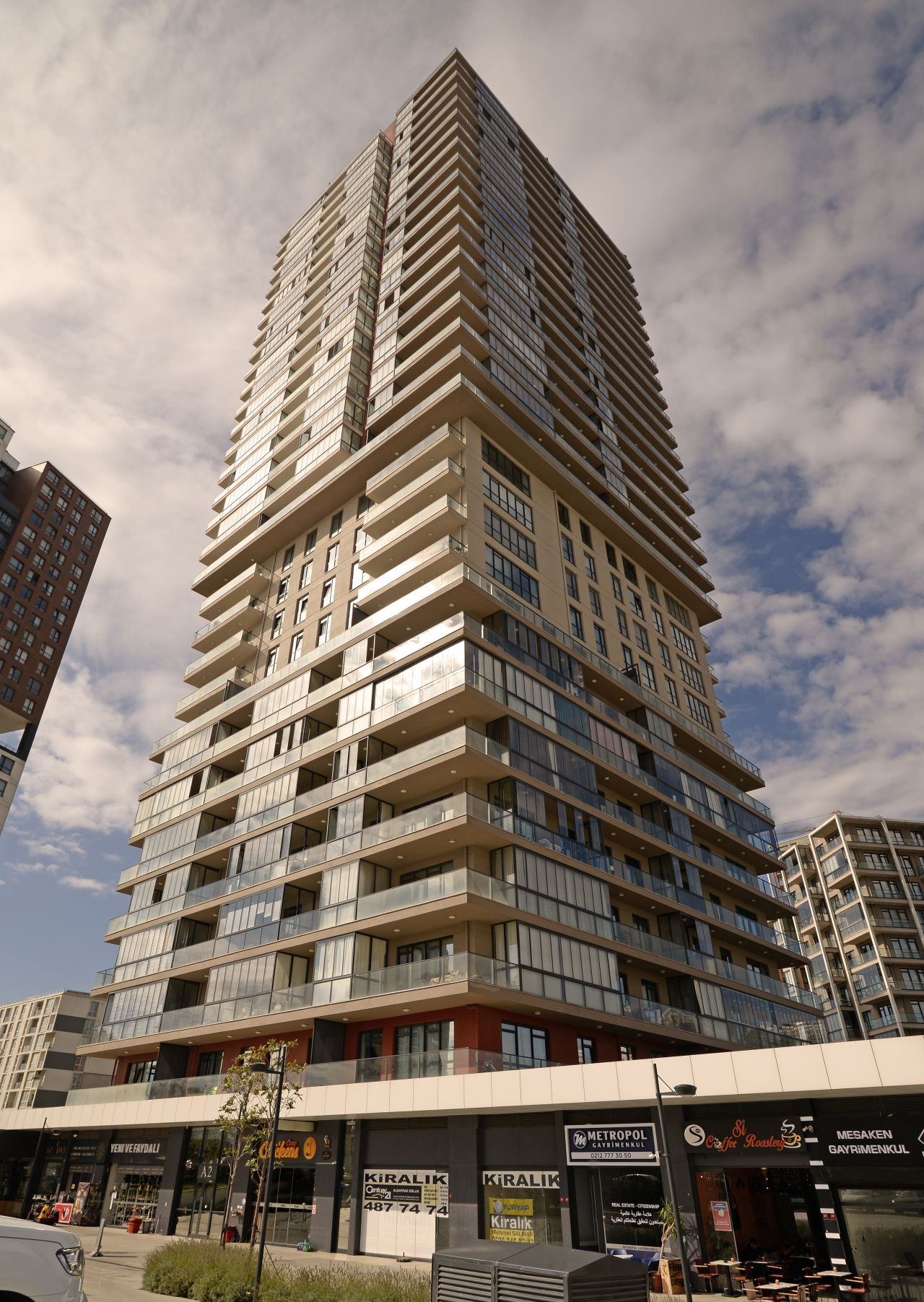 Mixed-Use · 2024
Adim Istanbul
Mixed-Use · 2024
Adim Istanbul
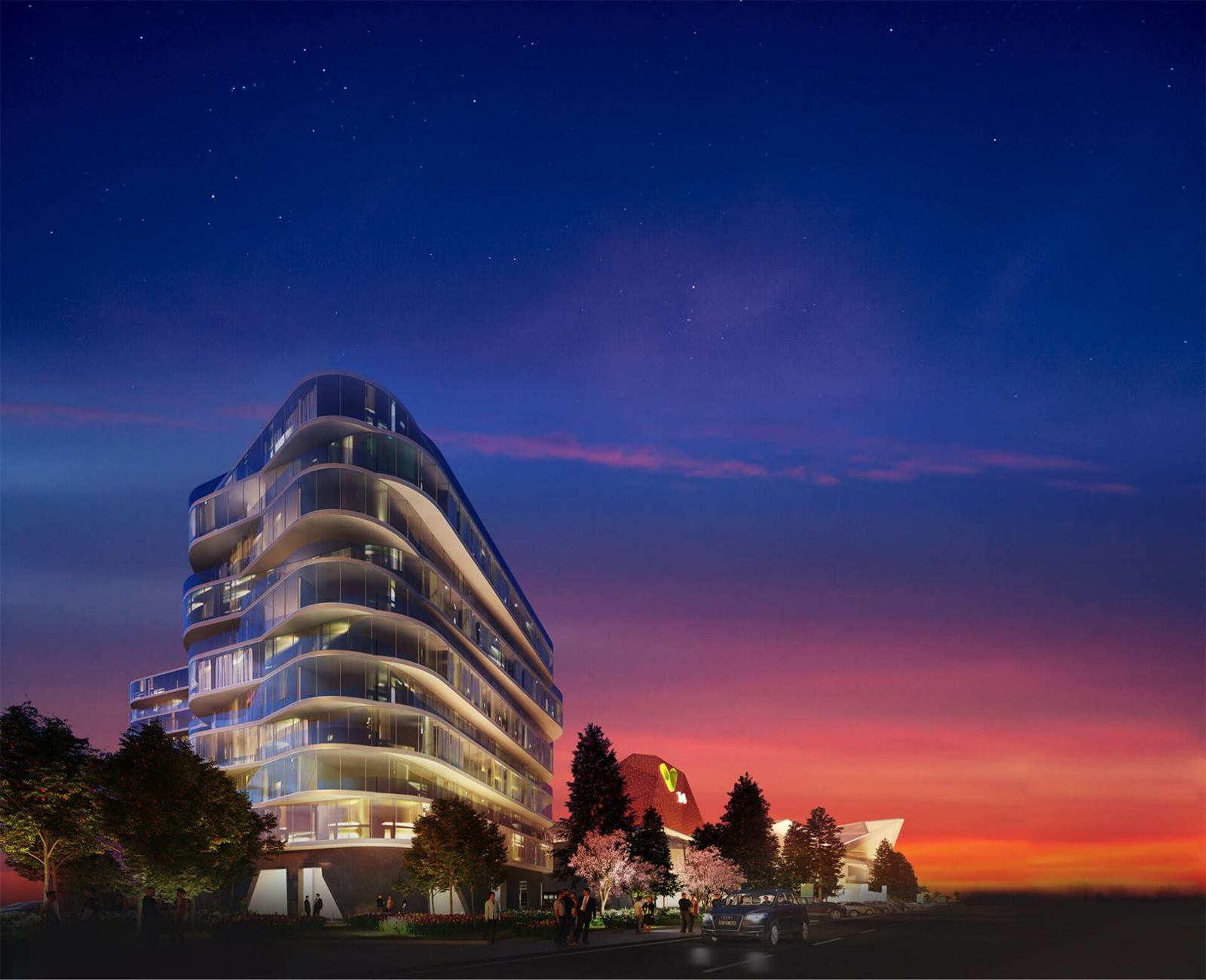 Mall · 2024
14 Burda Residence & Mall
Mall · 2024
14 Burda Residence & Mall
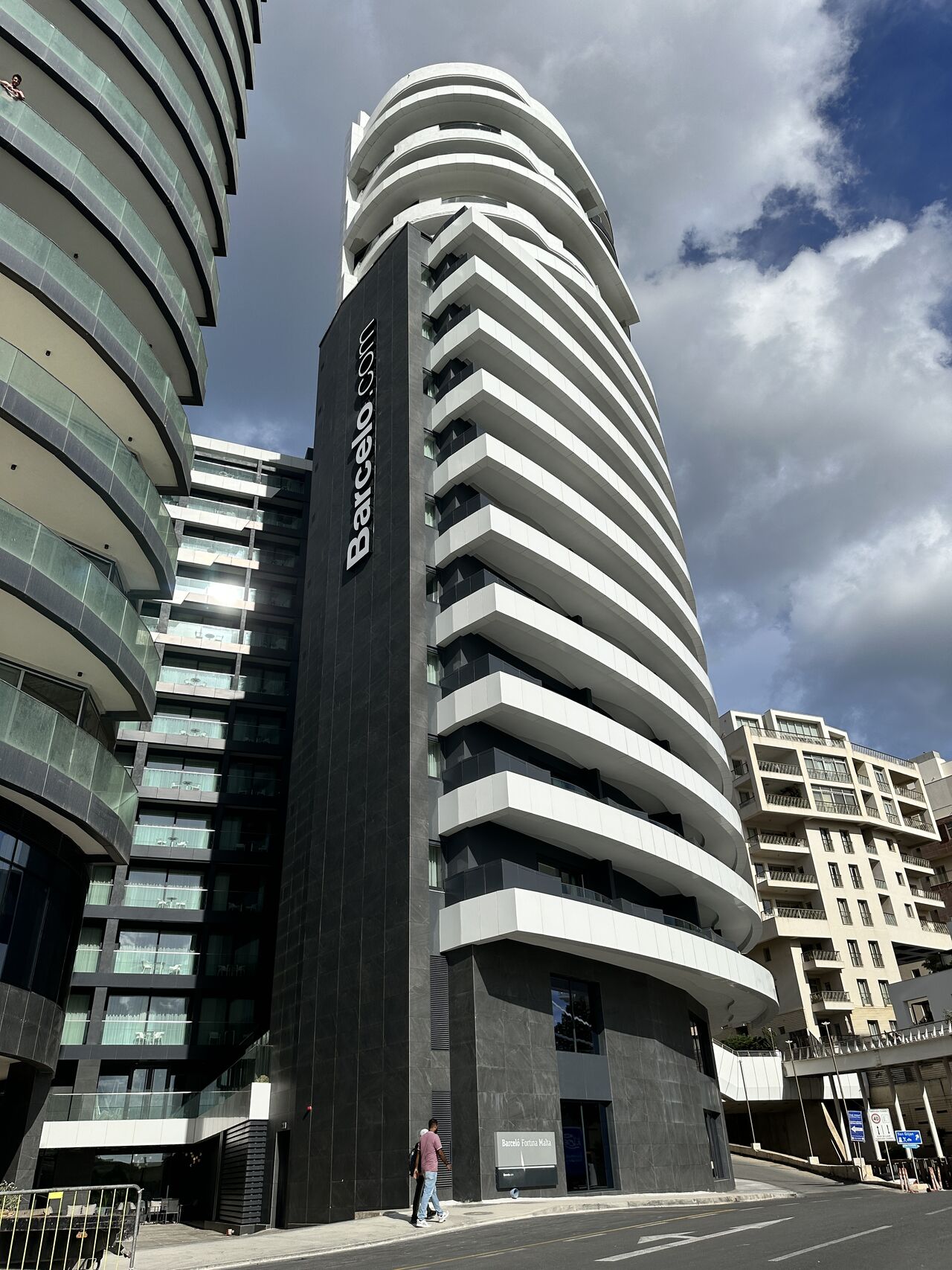 Hotel · 2024
Barceló Fortina Hotel
Hotel · 2024
Barceló Fortina Hotel
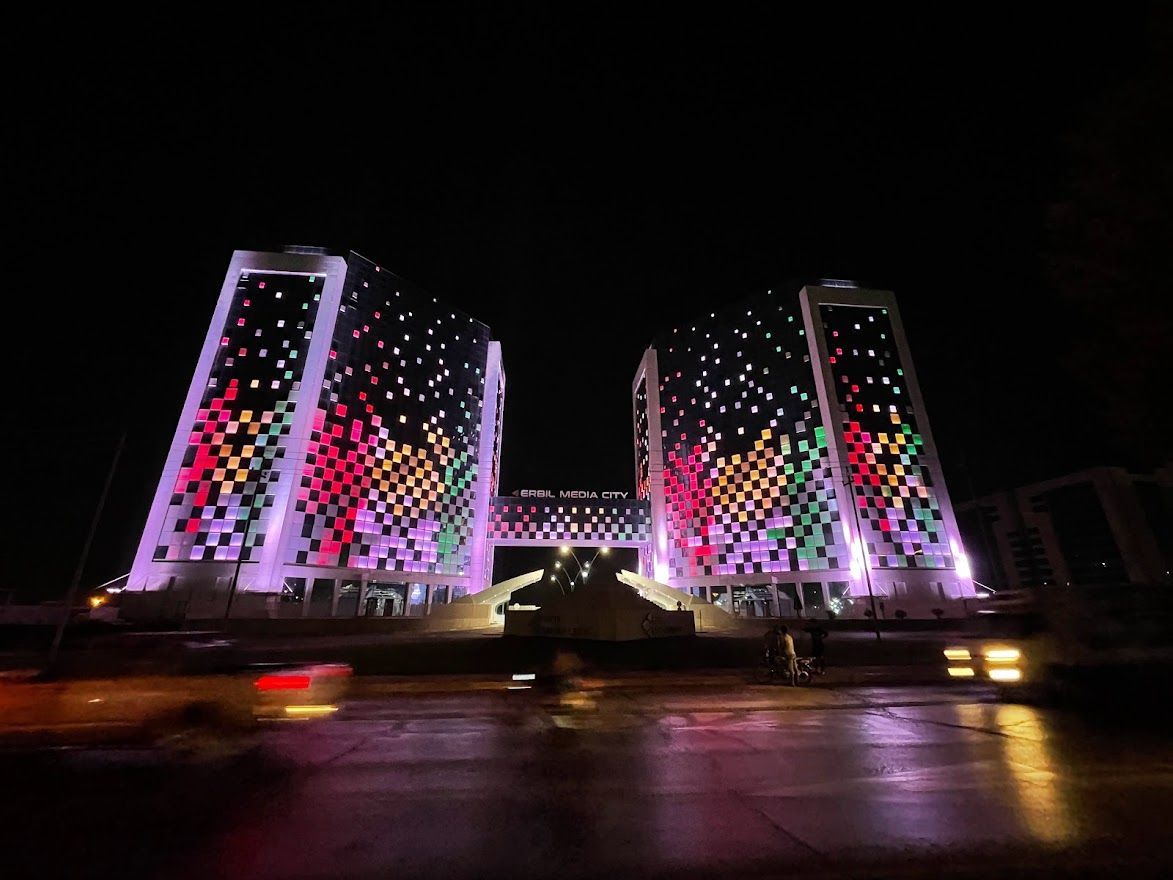 Office · 2024
Erbil Media City
Office · 2024
Erbil Media City