
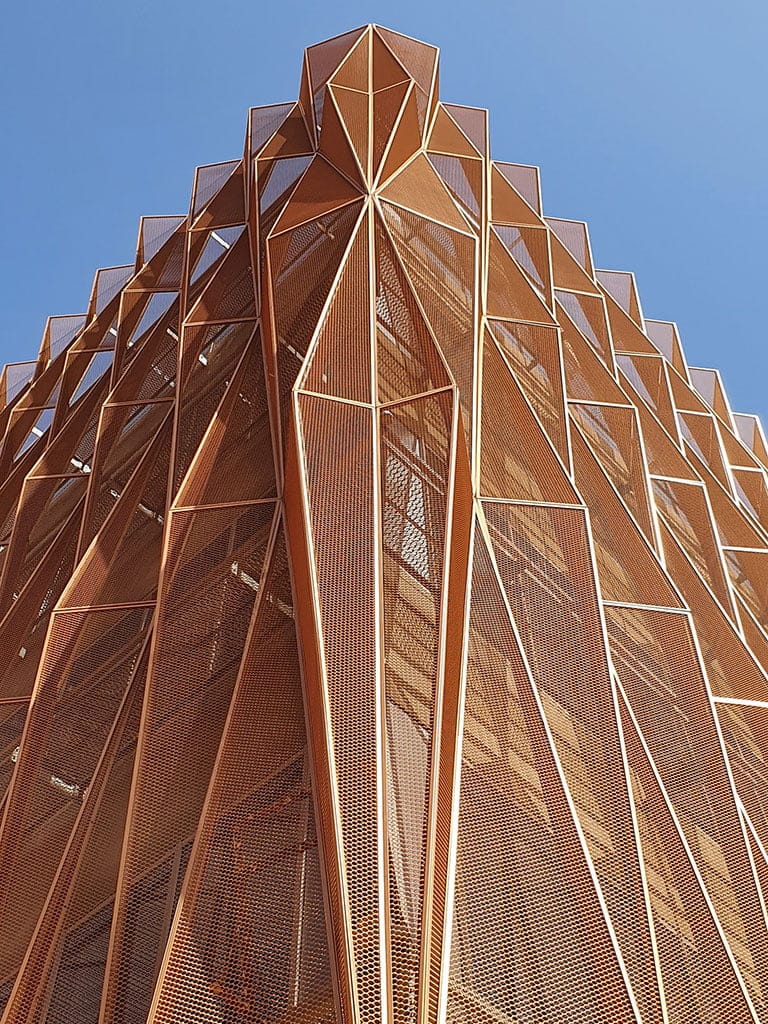
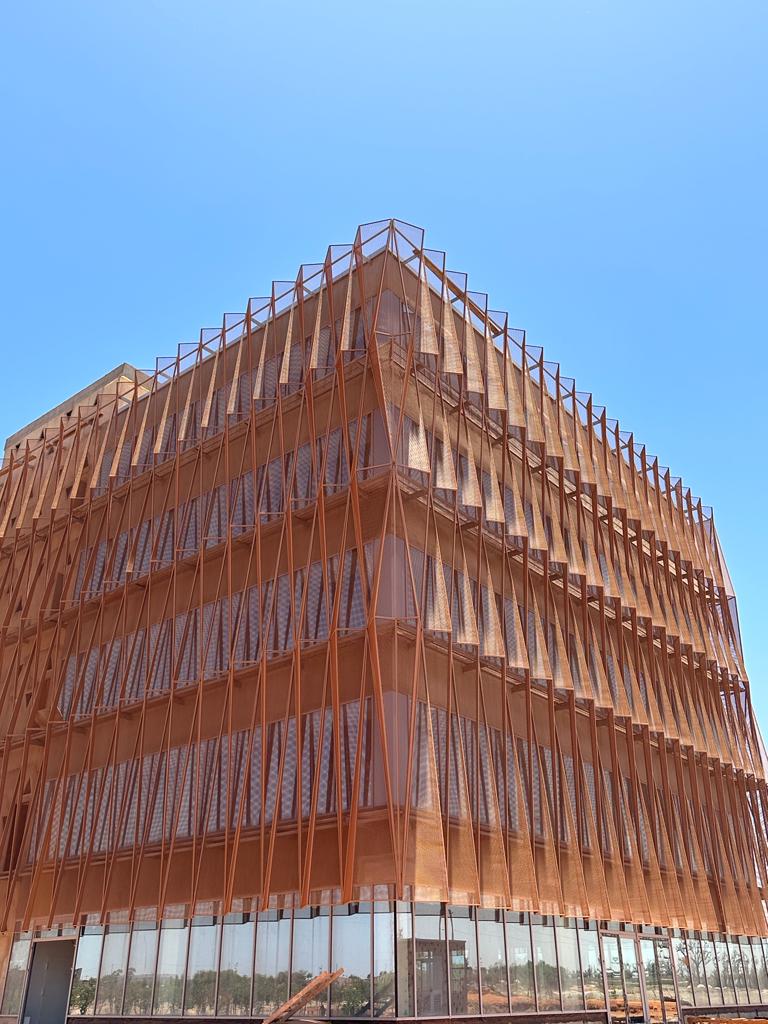
Architectural cladding skins that reinforce the building envelope.
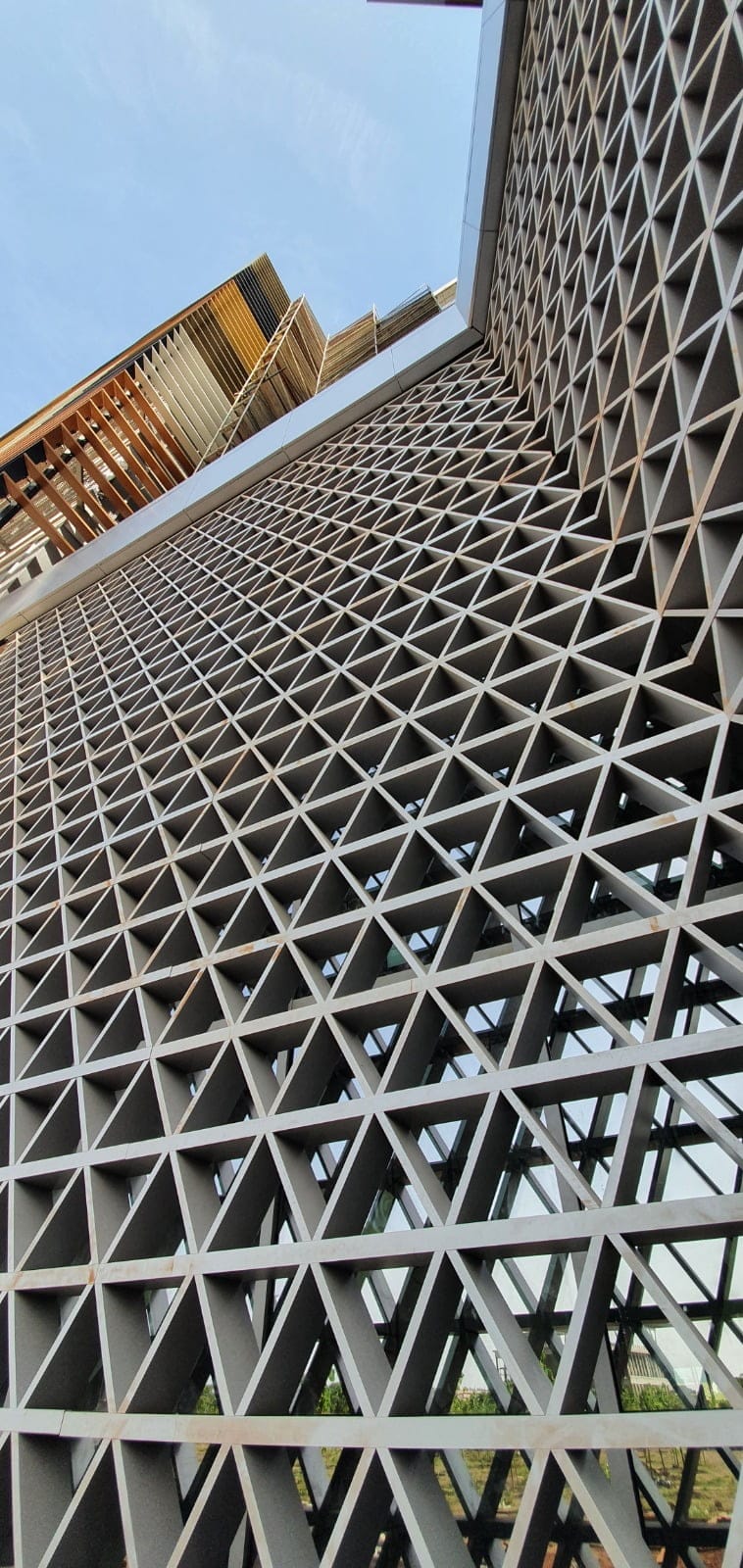
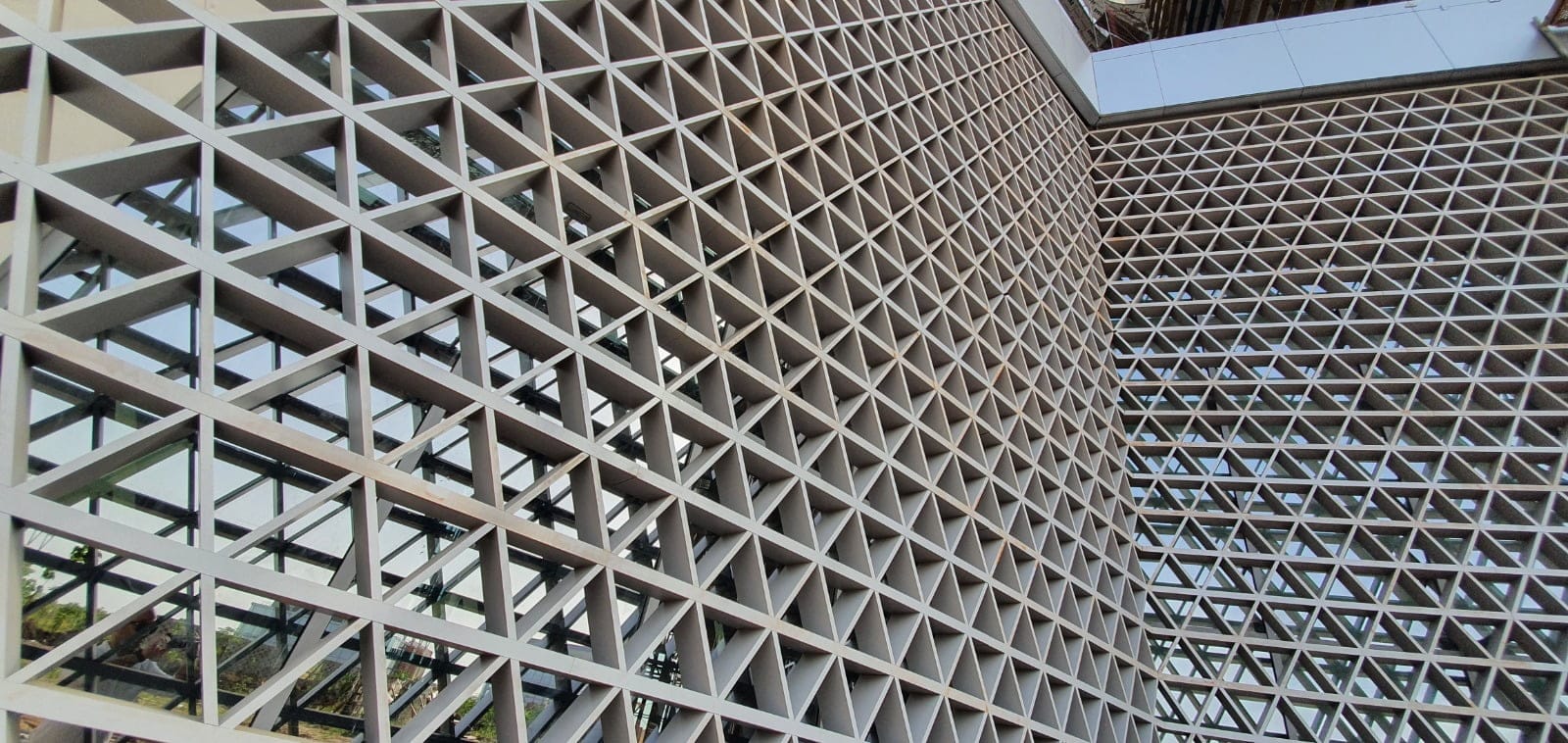
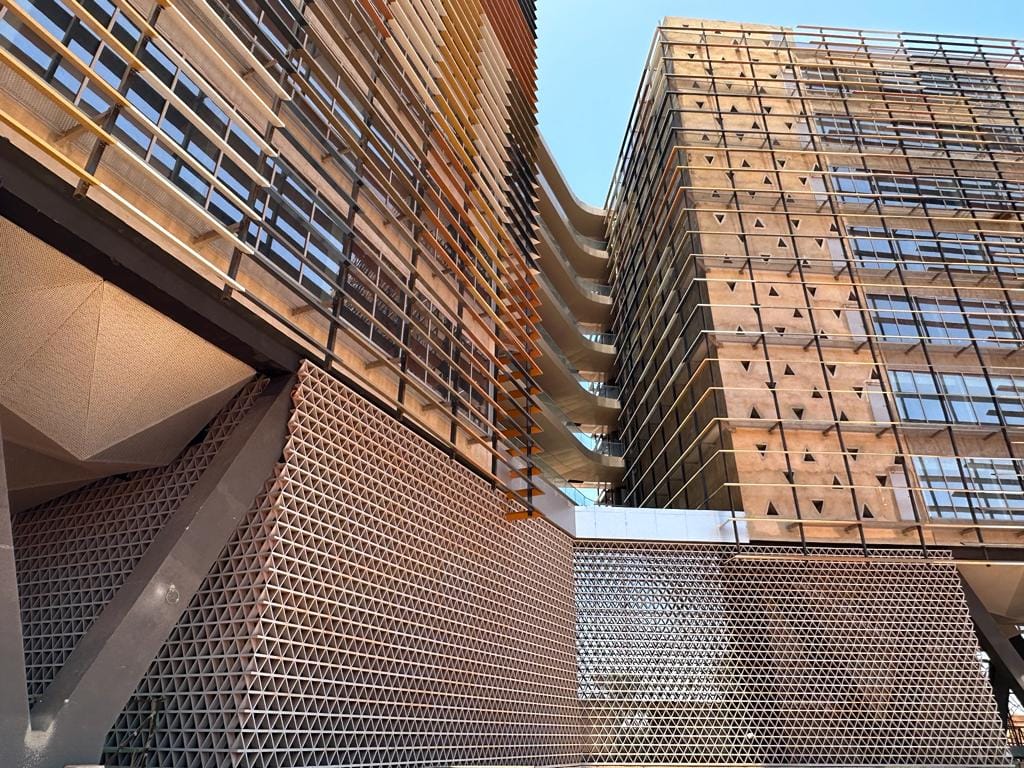
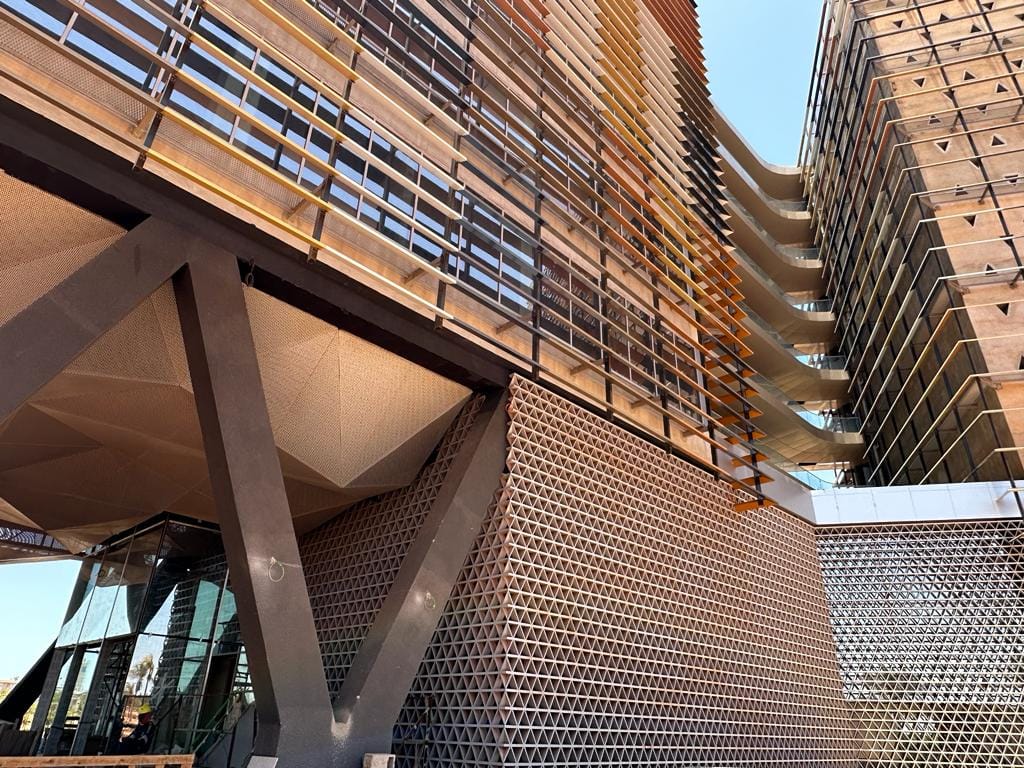
The facade shell is a perfect union of architectural aesthetics and engineering durability. Wrapping a building’s outer surface, it lends the structure character and brings it into harmony with its surroundings — making a striking visual impression while protecting the building against environmental effects.
Key features
- Defines the building’s identity
- Solar control & shading
- Acoustic absorption
- Clean-air intake & exhaust
In application
Drag to explore — click an image to enlarge.
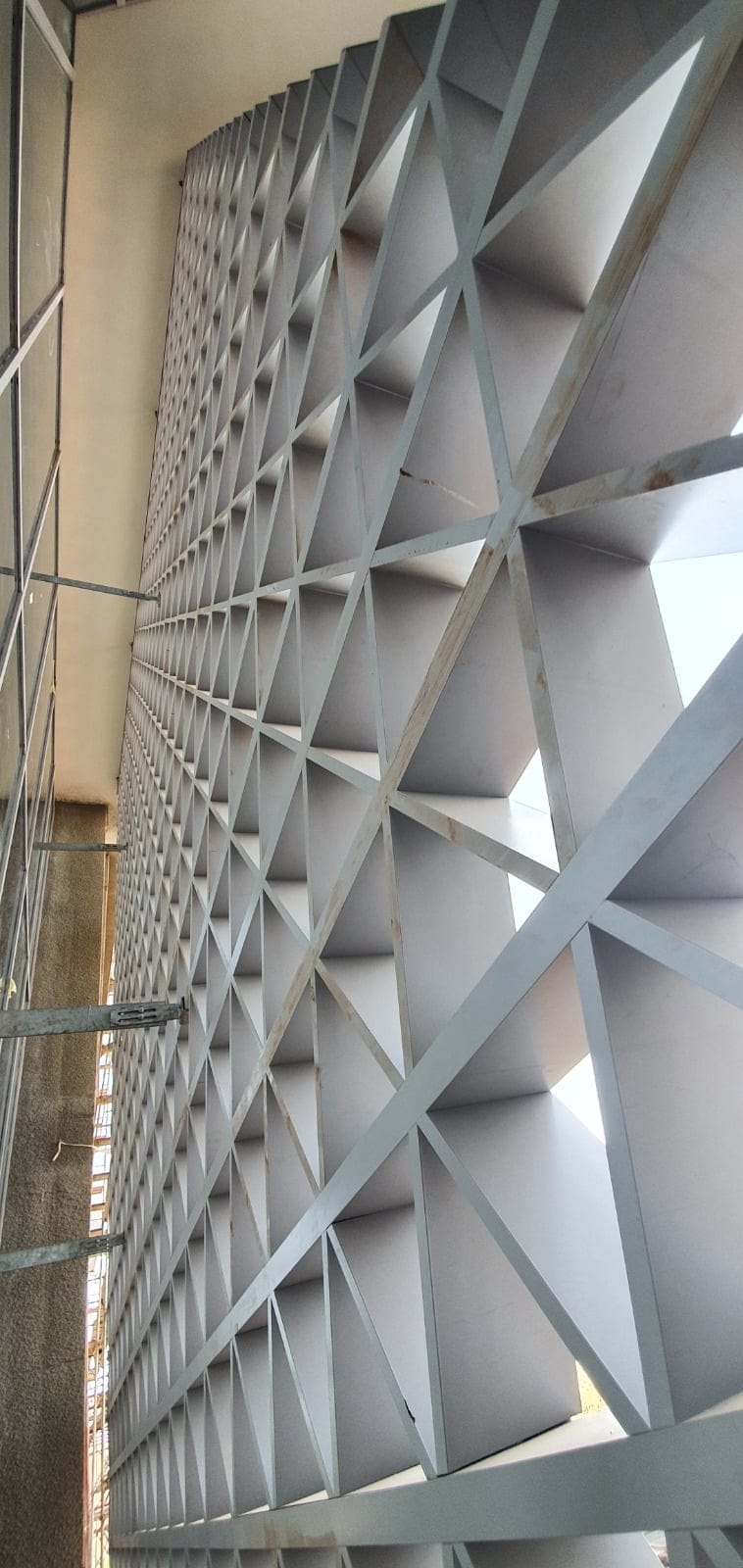
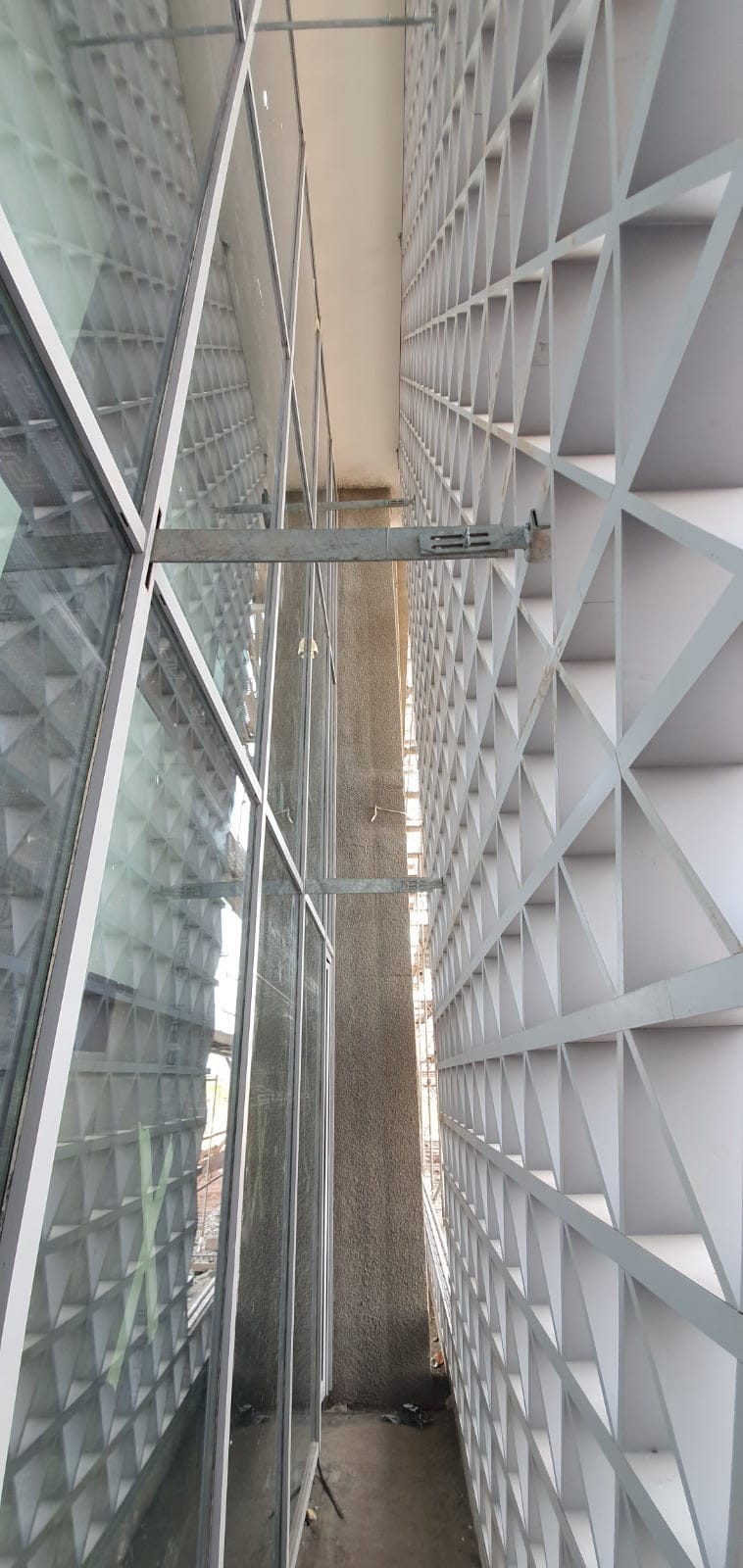
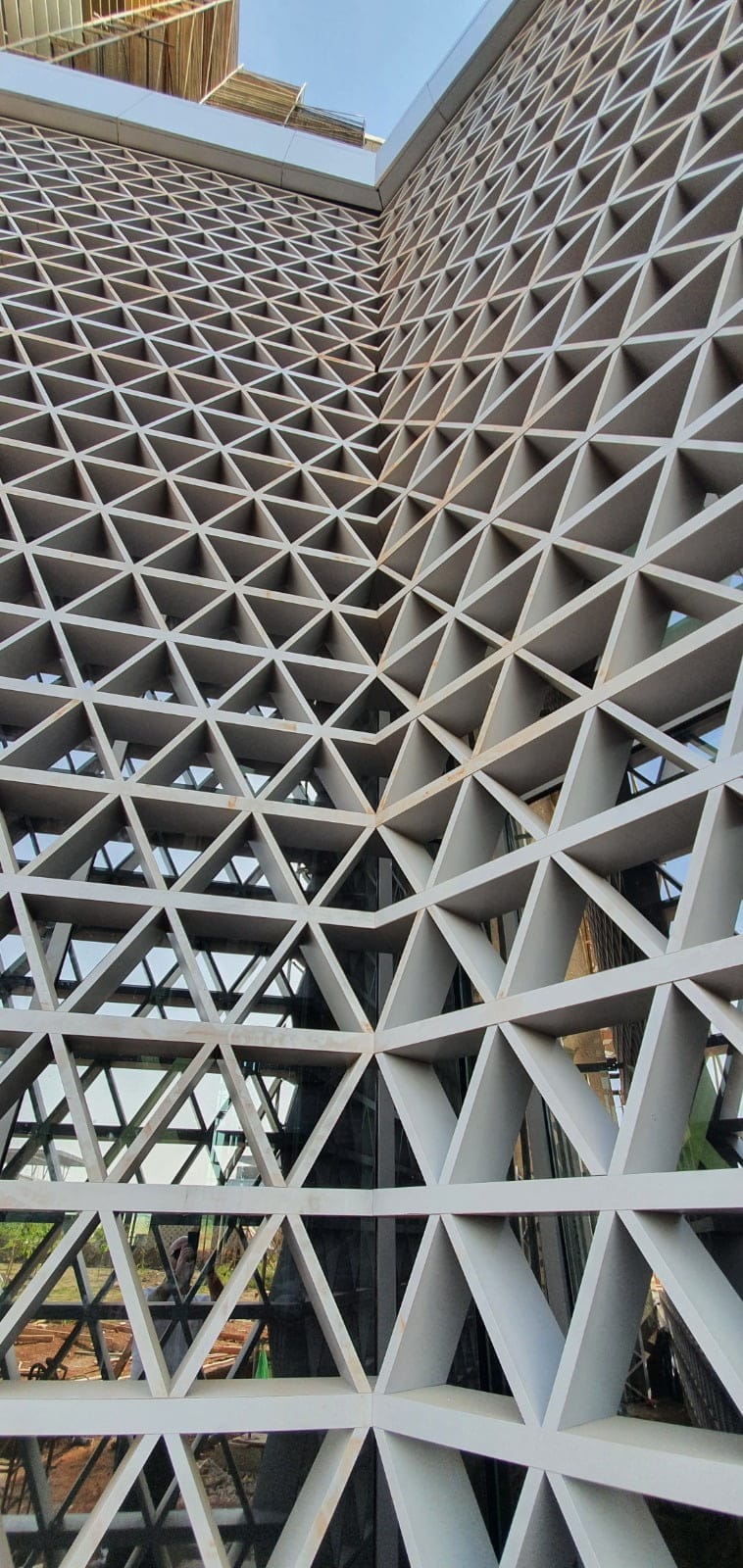
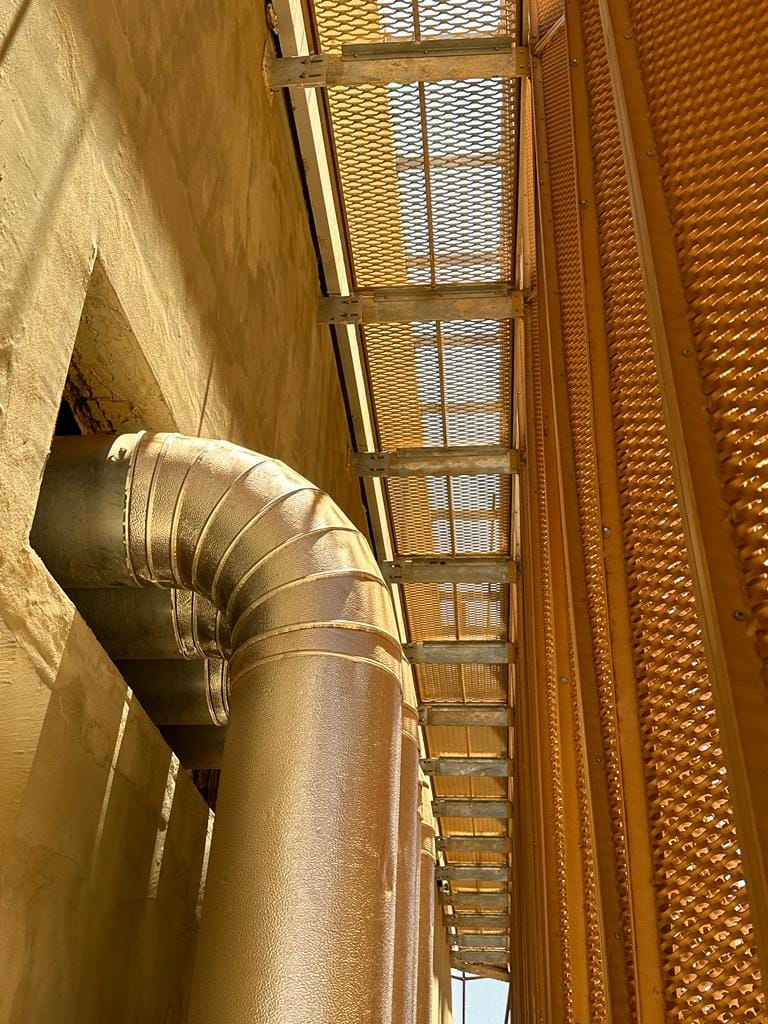
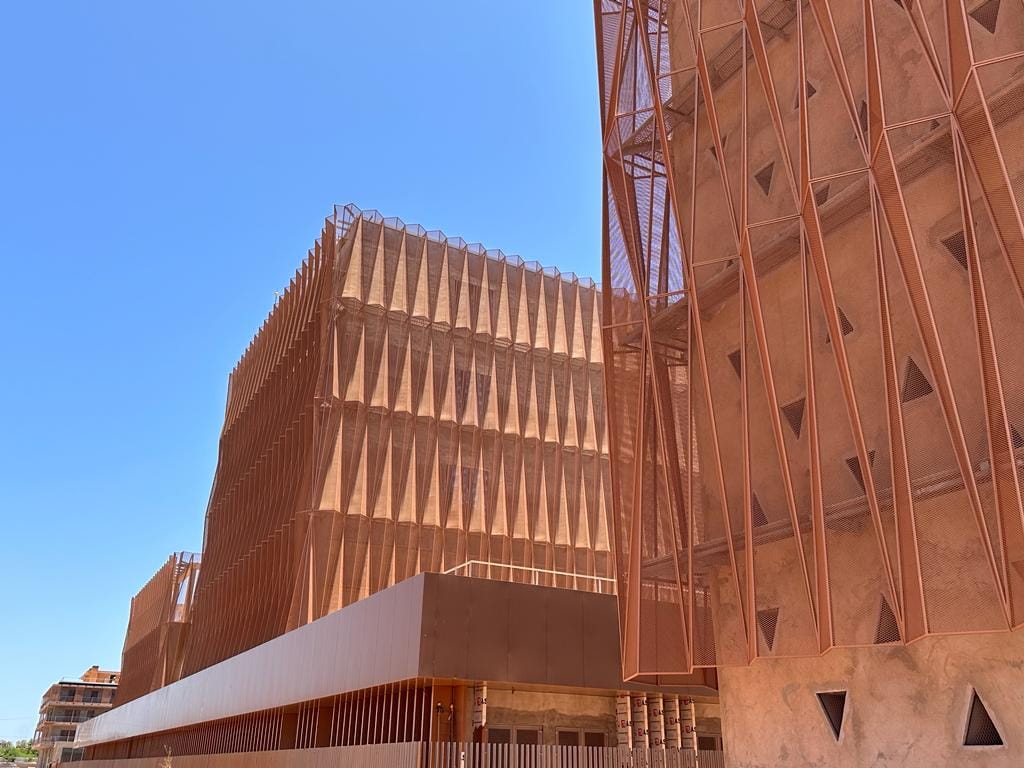
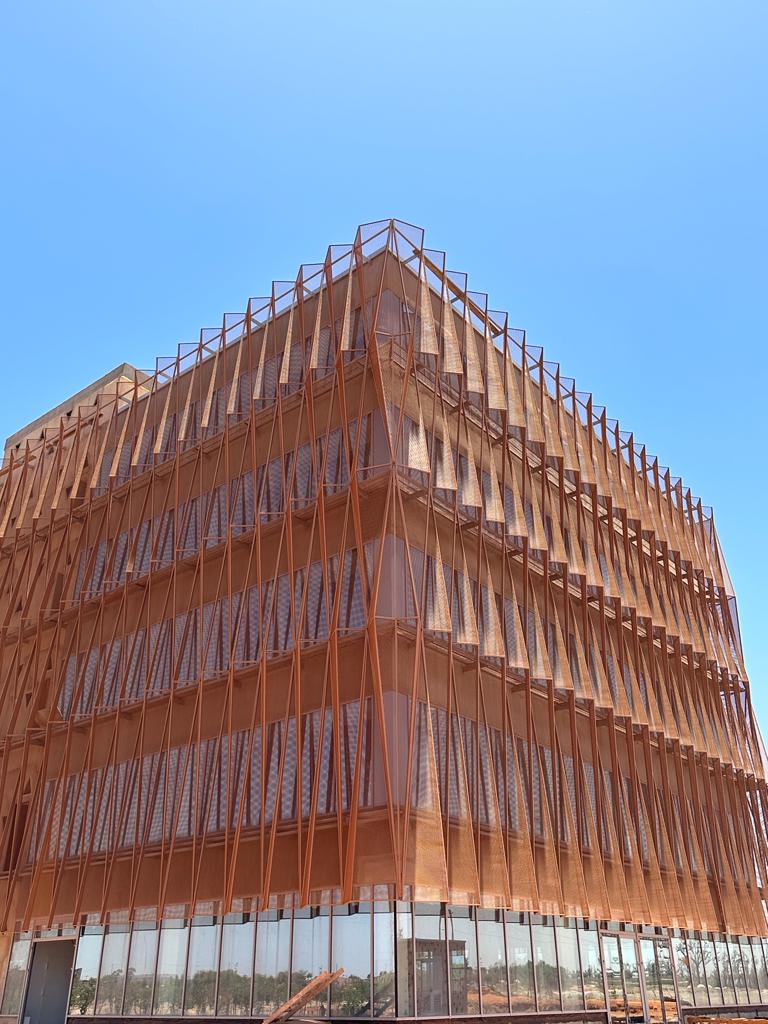
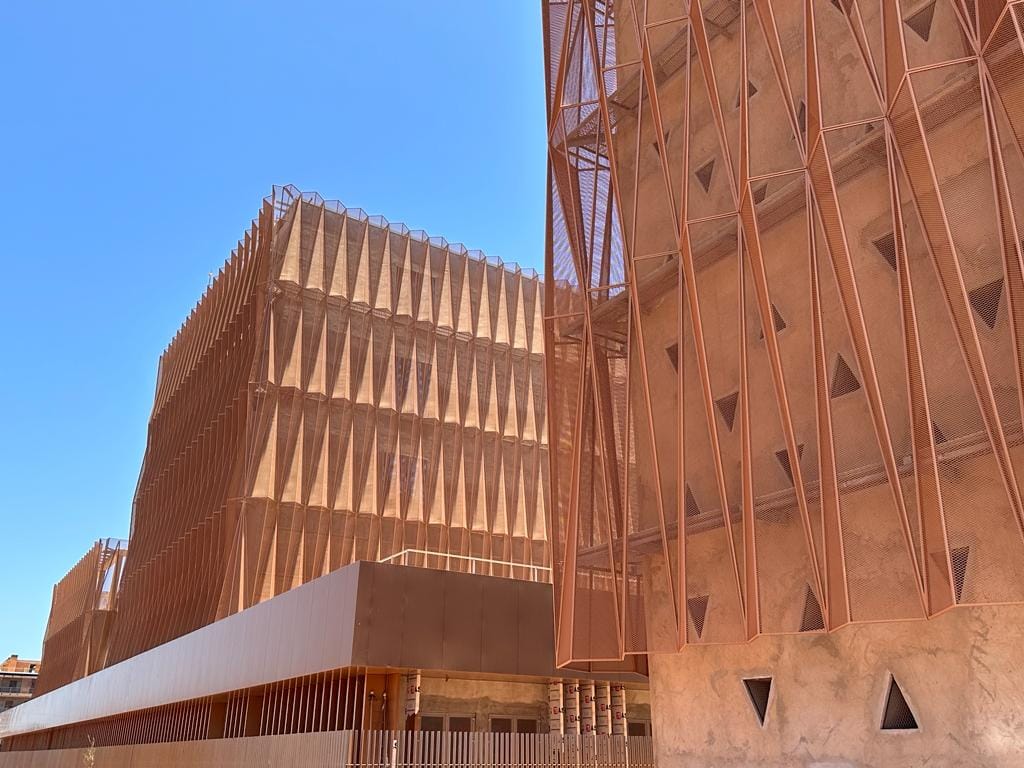
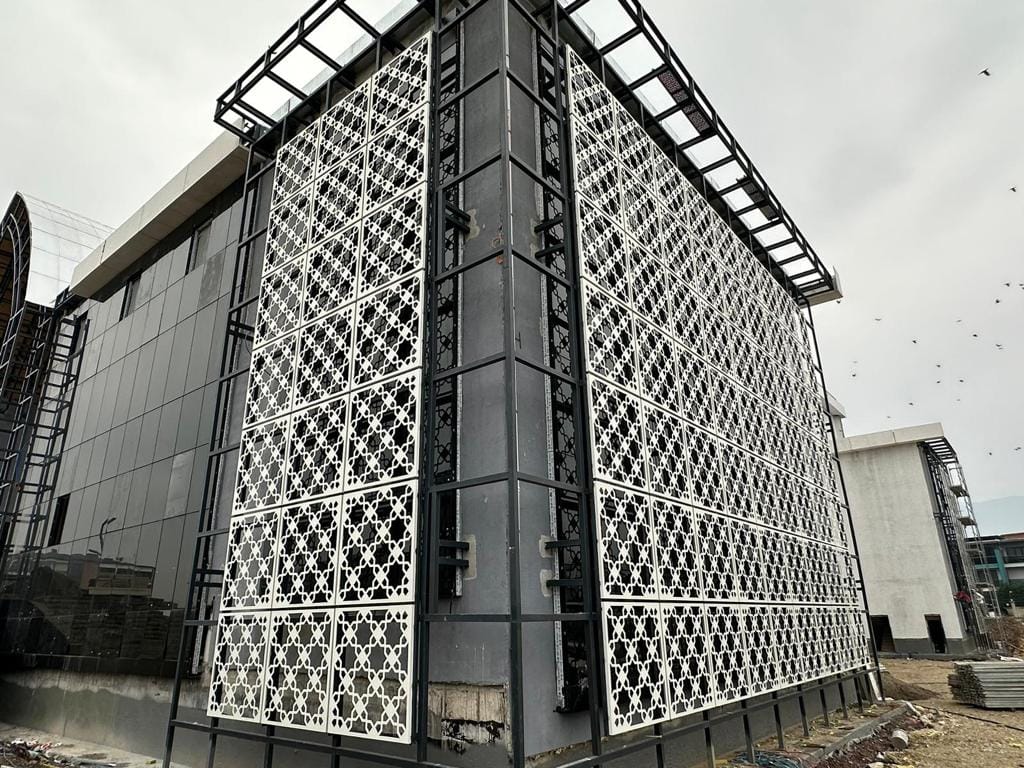
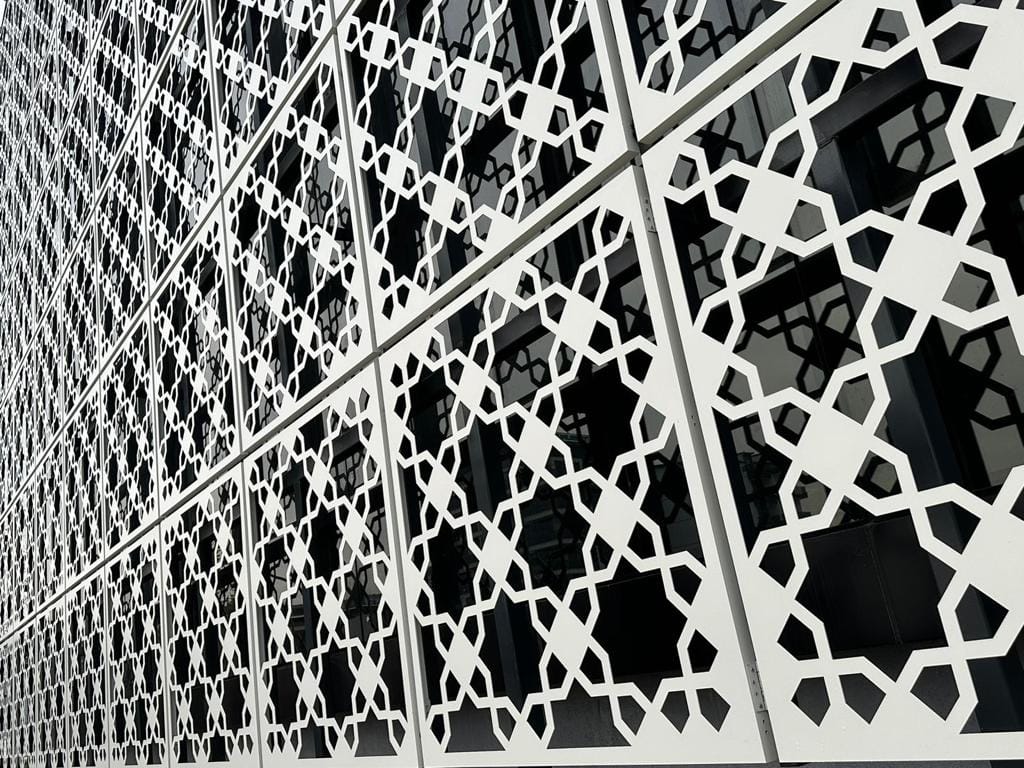
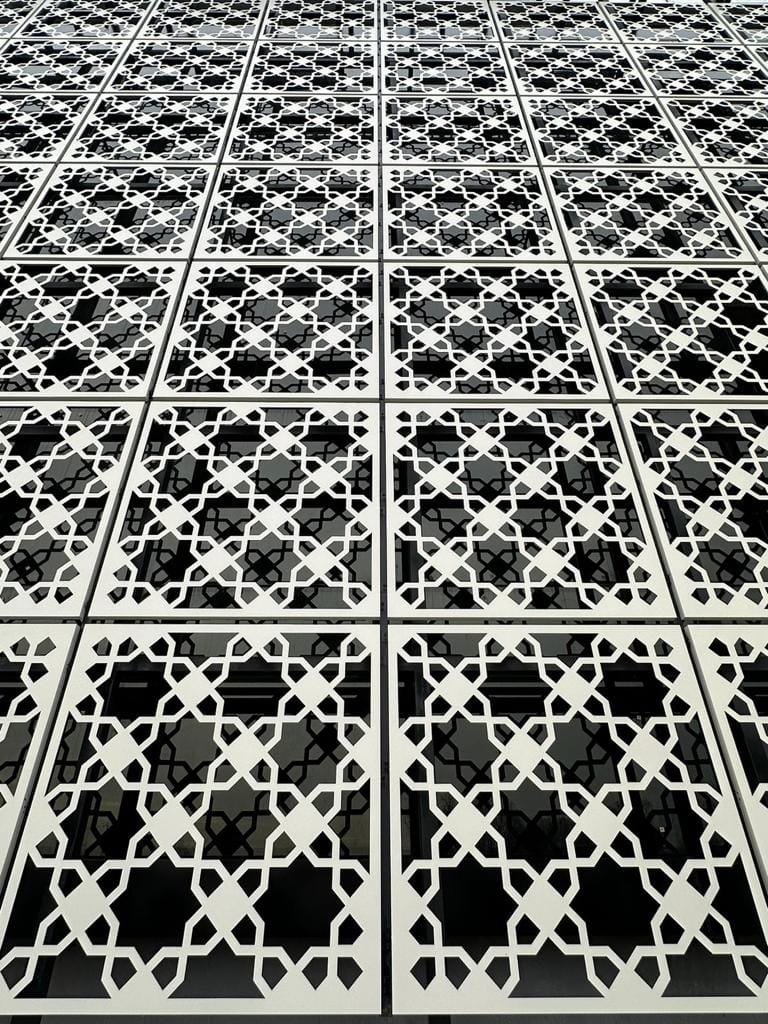
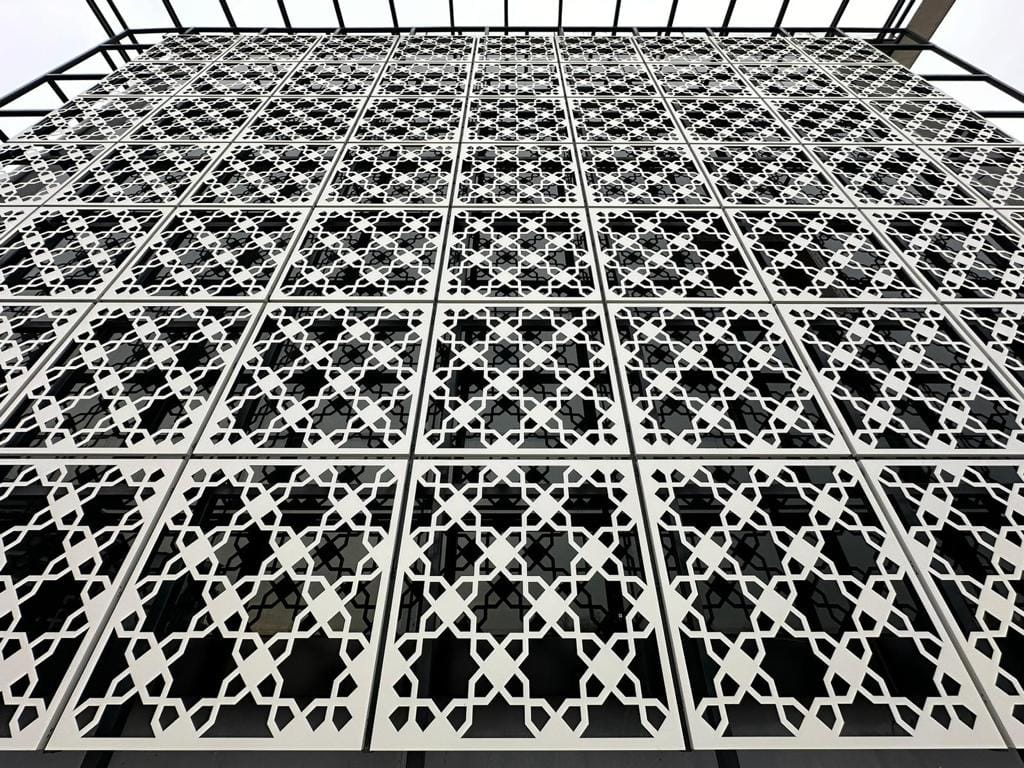
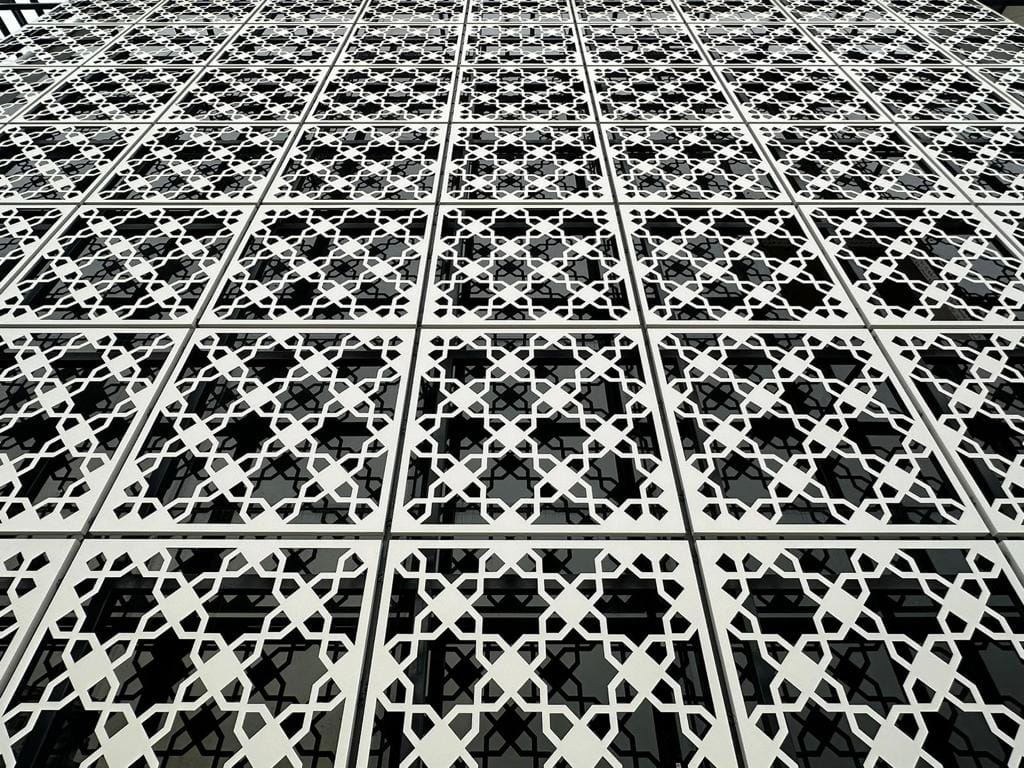
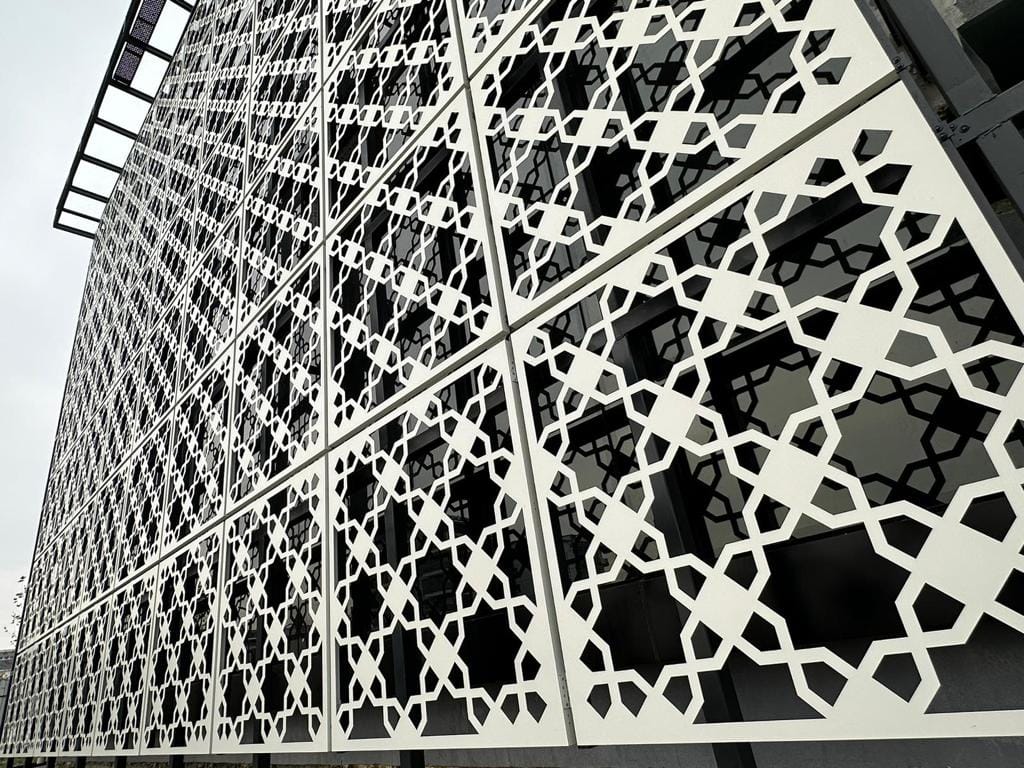
More than a decorative element
This building element plays a critical role in setting a building’s style and identity. On a modern, minimalist building a flat, plain facade shell emphasises simplicity and elegance, while on a traditional structure a detailed, ornate facade shell underlines architectural richness and historic significance.
A facade shell matters not only for aesthetics but also for function. It performs important duties such as protection from natural disasters, providing insulation and adding durability to the structure. For example, a facade shell fitted with special sun-reflecting coatings protects the interior from the sun’s harmful effects and saves energy.
Facade shells also span a wide range of materials. Concrete, metal, glass, stone, wood and composite give architects and designers flexibility across different styles and functions.
In short, a facade shell is not merely a decorative element on a building’s exterior but a functional structural component — one that, carefully chosen and applied in architectural projects, defines the building’s character and brings it into harmony with its surroundings.
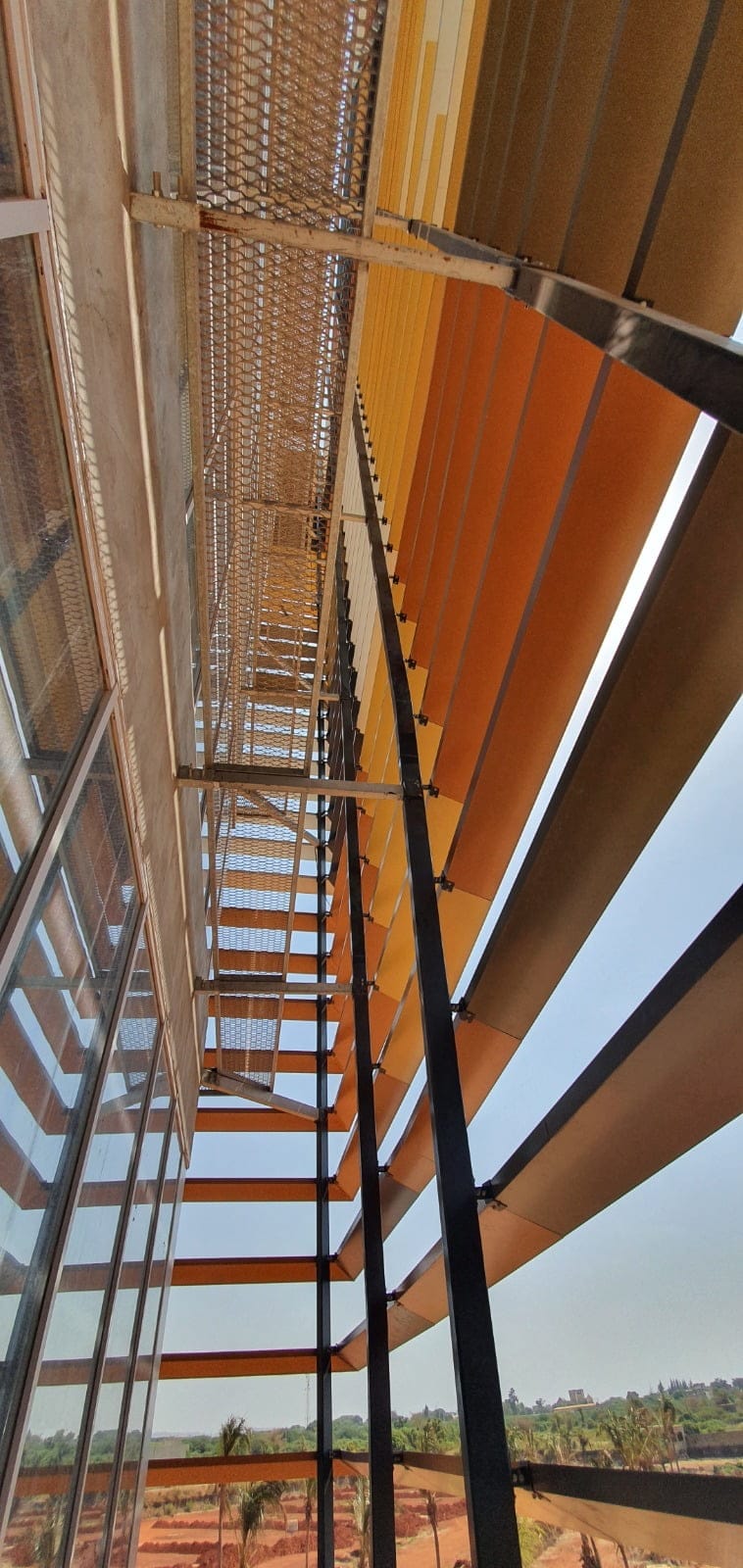
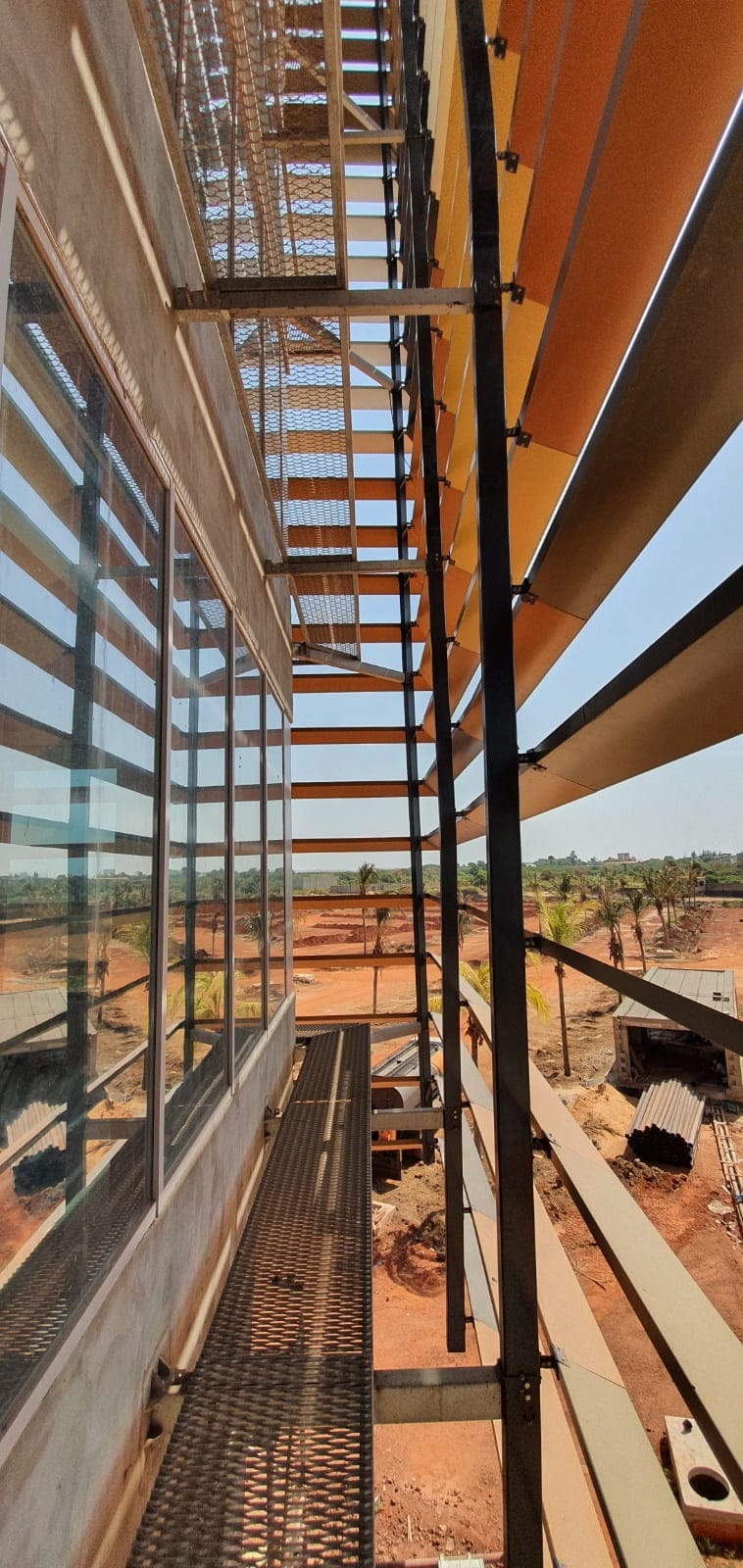
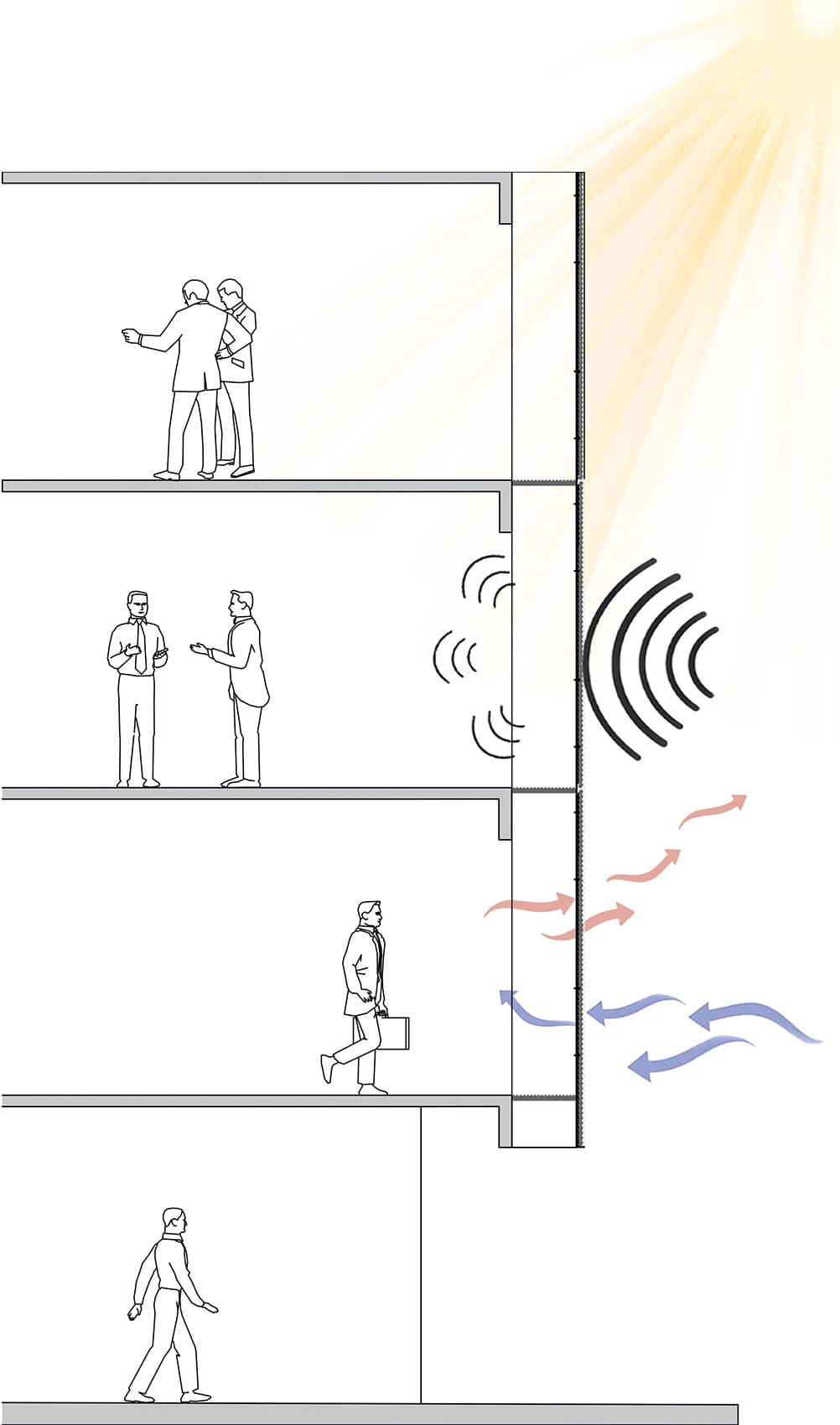
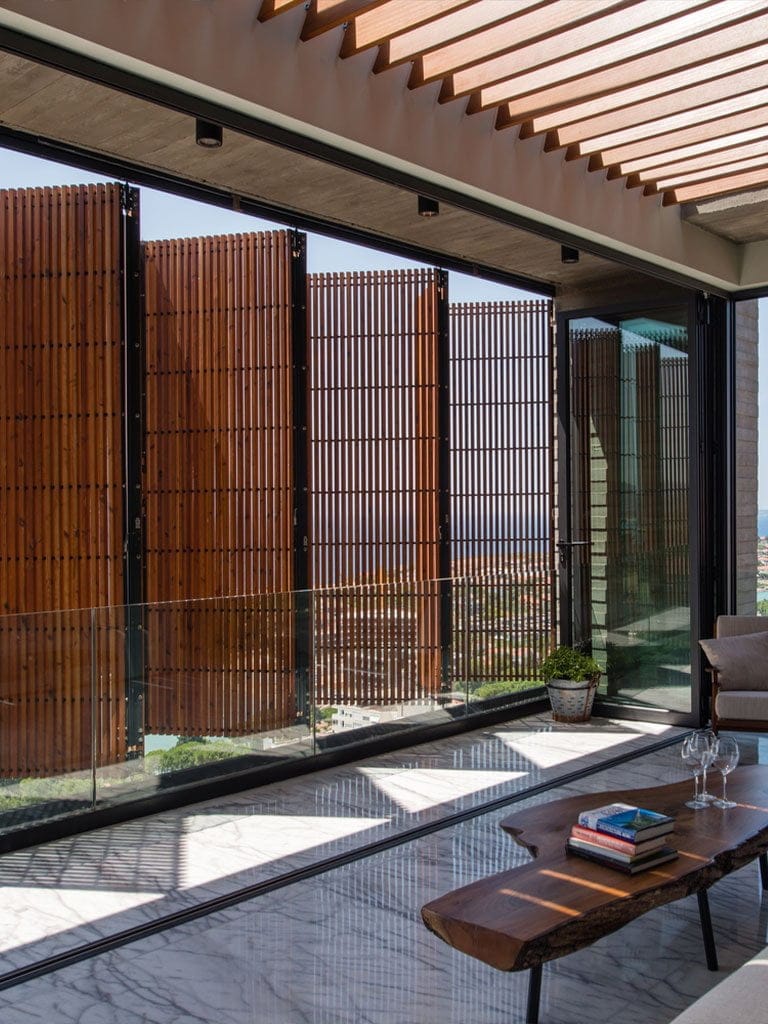
Solar shading
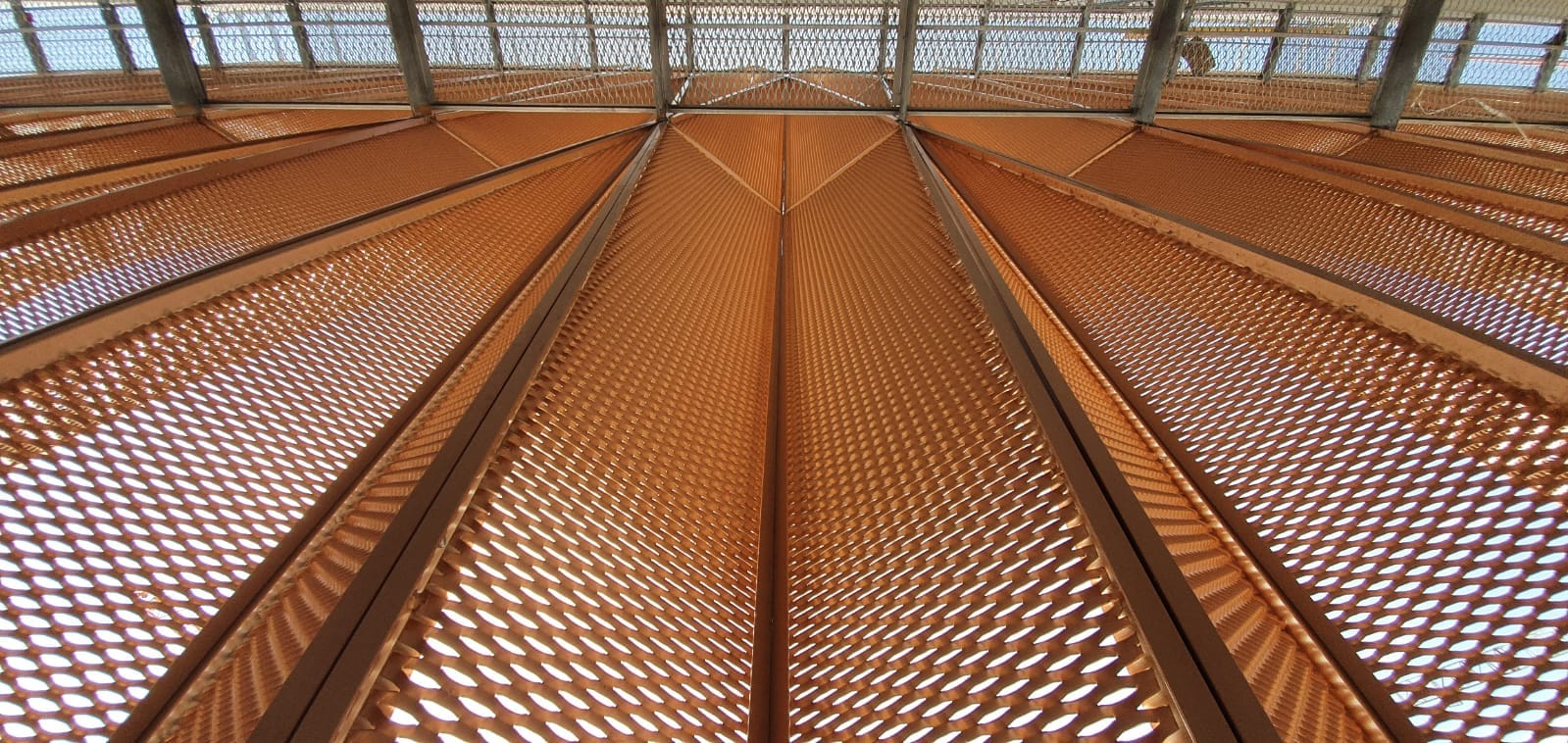
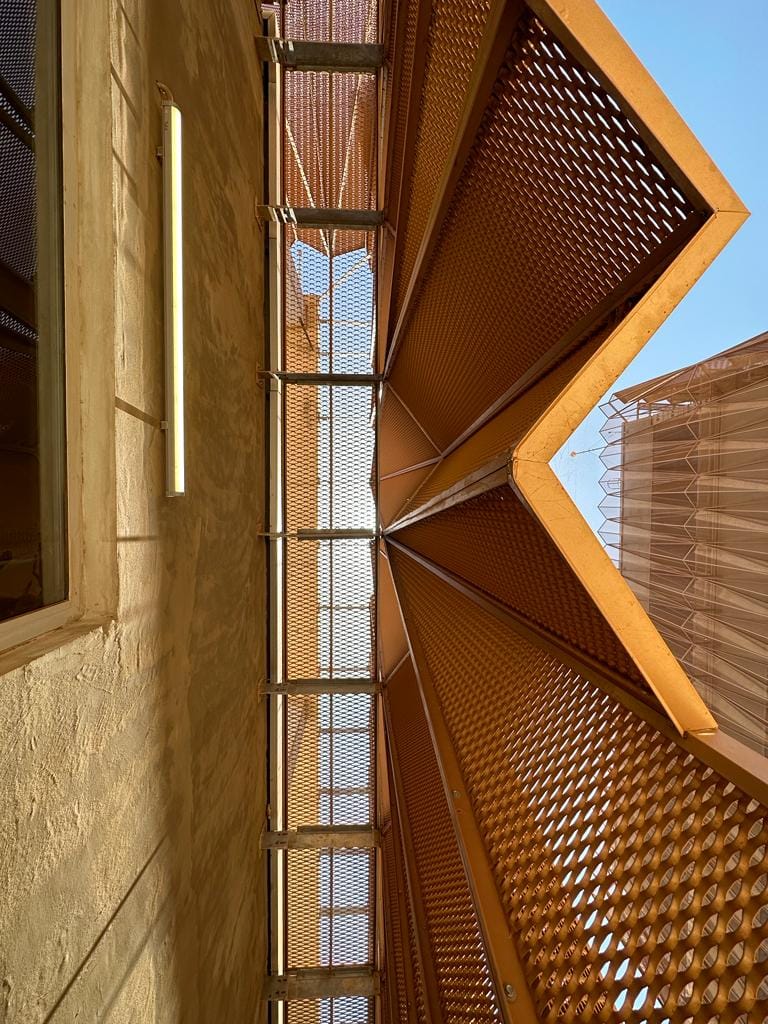
The sun-shading properties of secondary facades raise a building’s energy efficiency and reduce its environmental impact while also improving user comfort and aesthetics. With the right design and material choice, sun-shading systems have become an indispensable part of modern architecture and contribute significantly to creating sustainable, liveable buildings.
- Energy savings: 20–30%
- Indoor comfort: 15–25%
- Reduced artificial-lighting need: 10–20%
- Building lifespan & maintenance cost: 5–15%
Absorbing sound waves
Secondary facades play an effective role in reducing outdoor noise by improving a building’s acoustic performance. By controlling the diffraction and reflection of sound waves they make interiors quieter and more comfortable; the materials, structure and surface design used are important factors in sound absorption and insulation.
- Outdoor noise reduction: 5–50%
- Sound-insulation performance: 5–45%
- Echo reduction: 10–40%
- Sound absorption: 10–60%
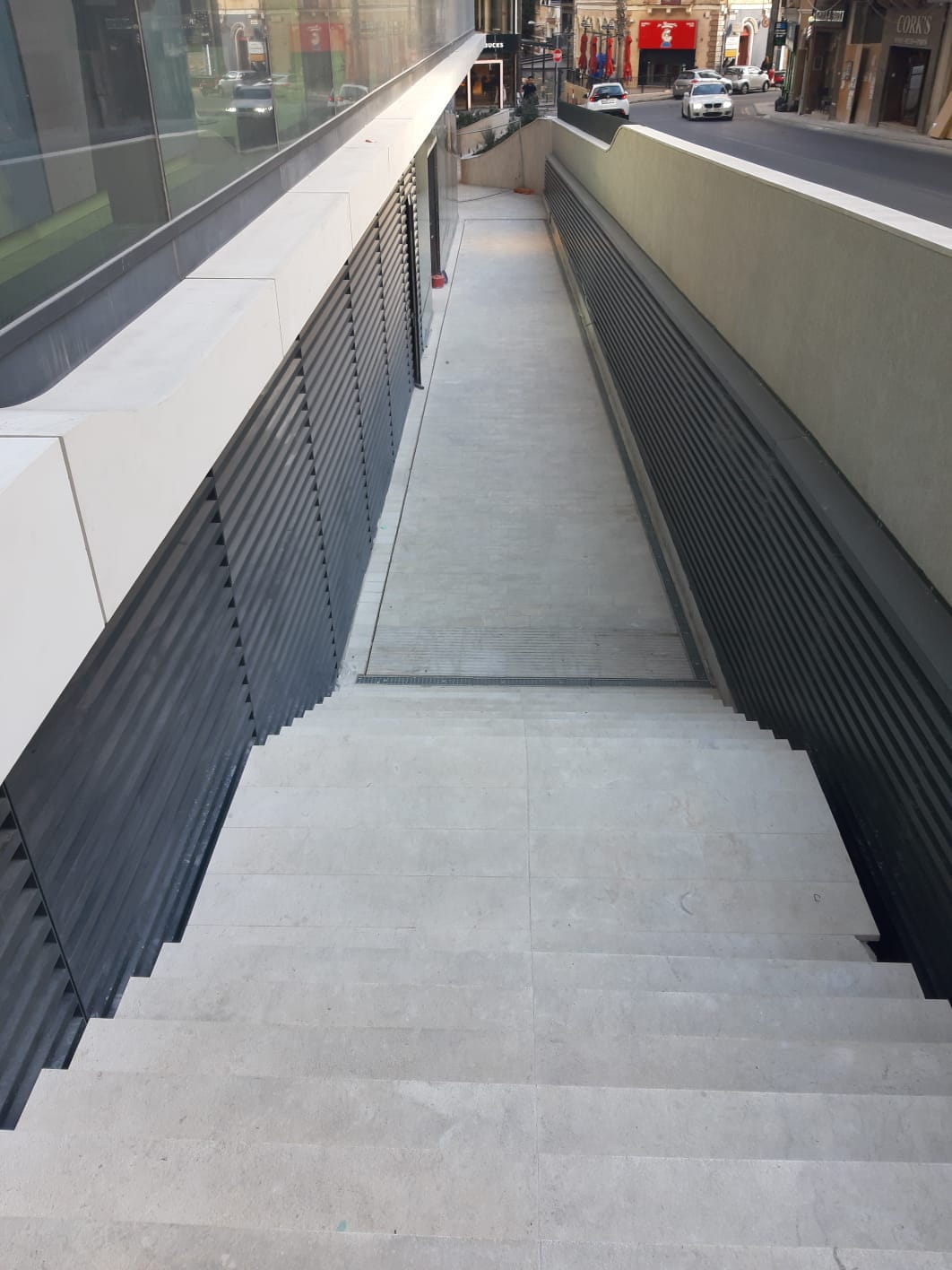
Clean-air intake & stale-air exhaust
Secondary facades are used to improve a building’s air quality and increase energy efficiency. These systems ease the intake of clean air while optimising the exhaust of stale air.
- Clean-air intake: 30–50%
- Stale-air exhaust: 25–40%
- Air-curtain effect: 5–50%
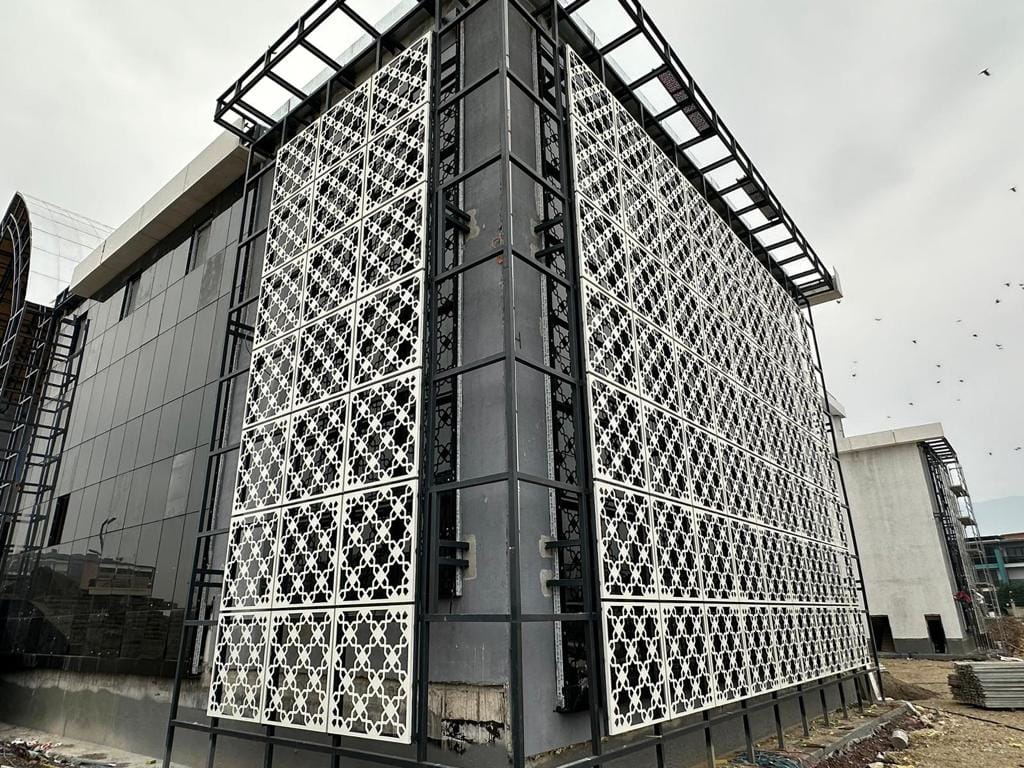
Similar products
Completed projects
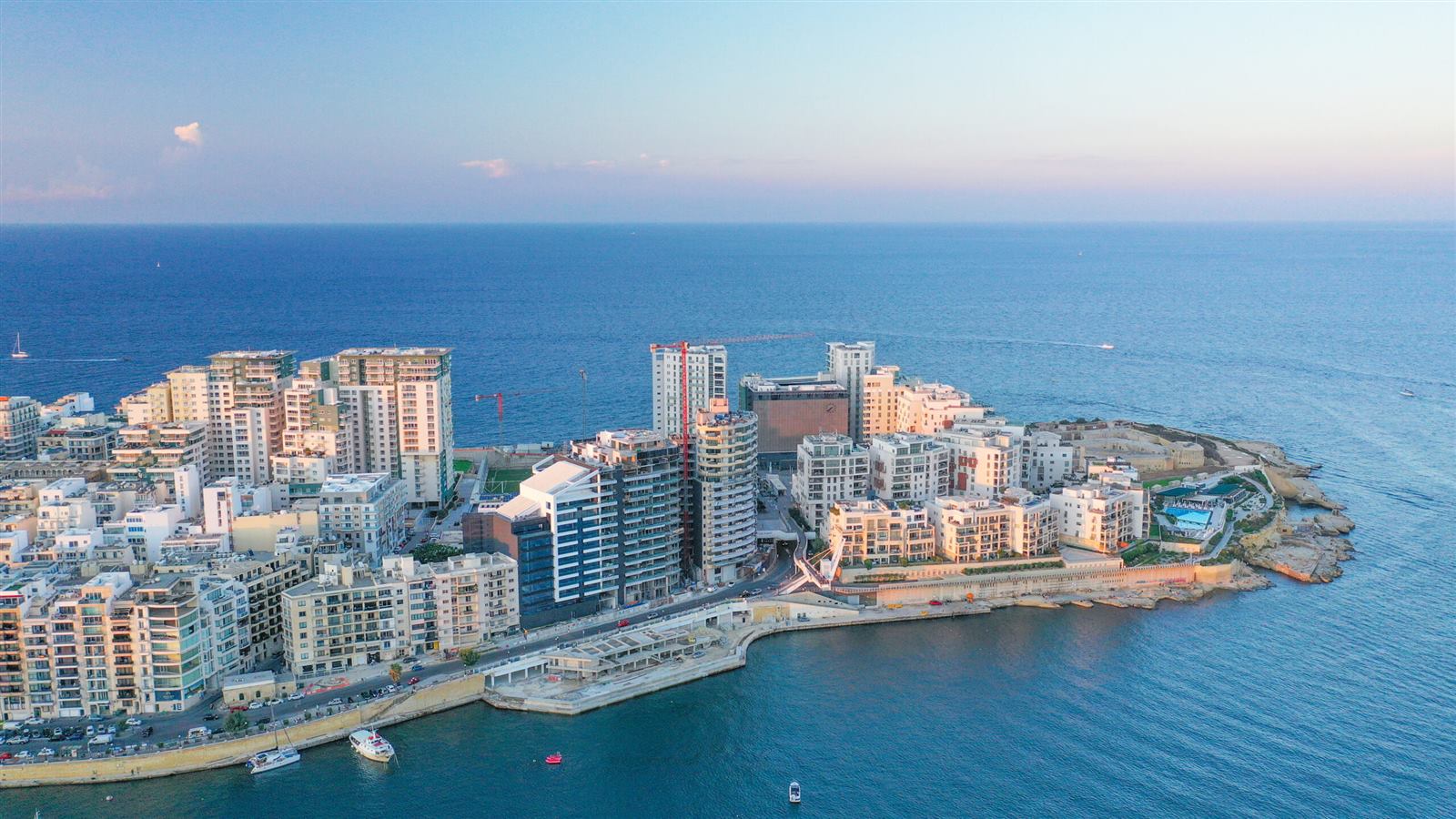 Office · 2024
BET365 Office
Office · 2024
BET365 Office
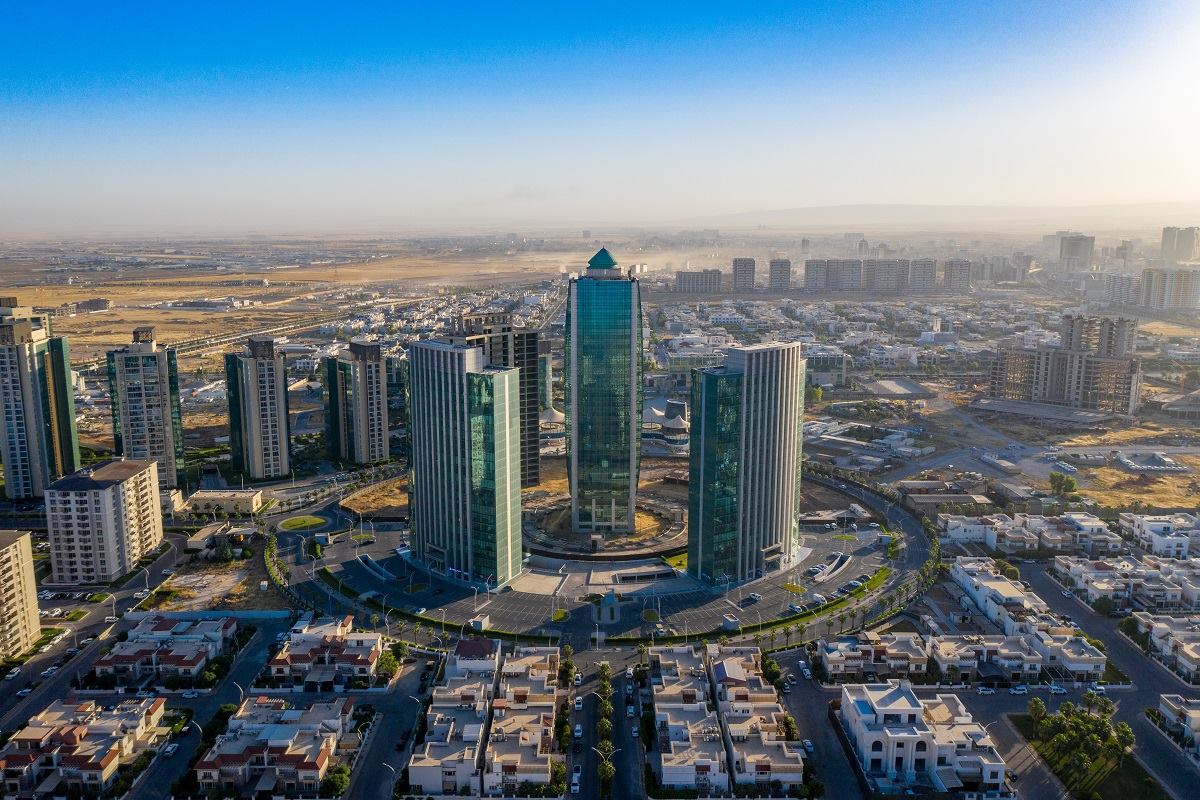 Office · 2019
Business Tower
Office · 2019
Business Tower
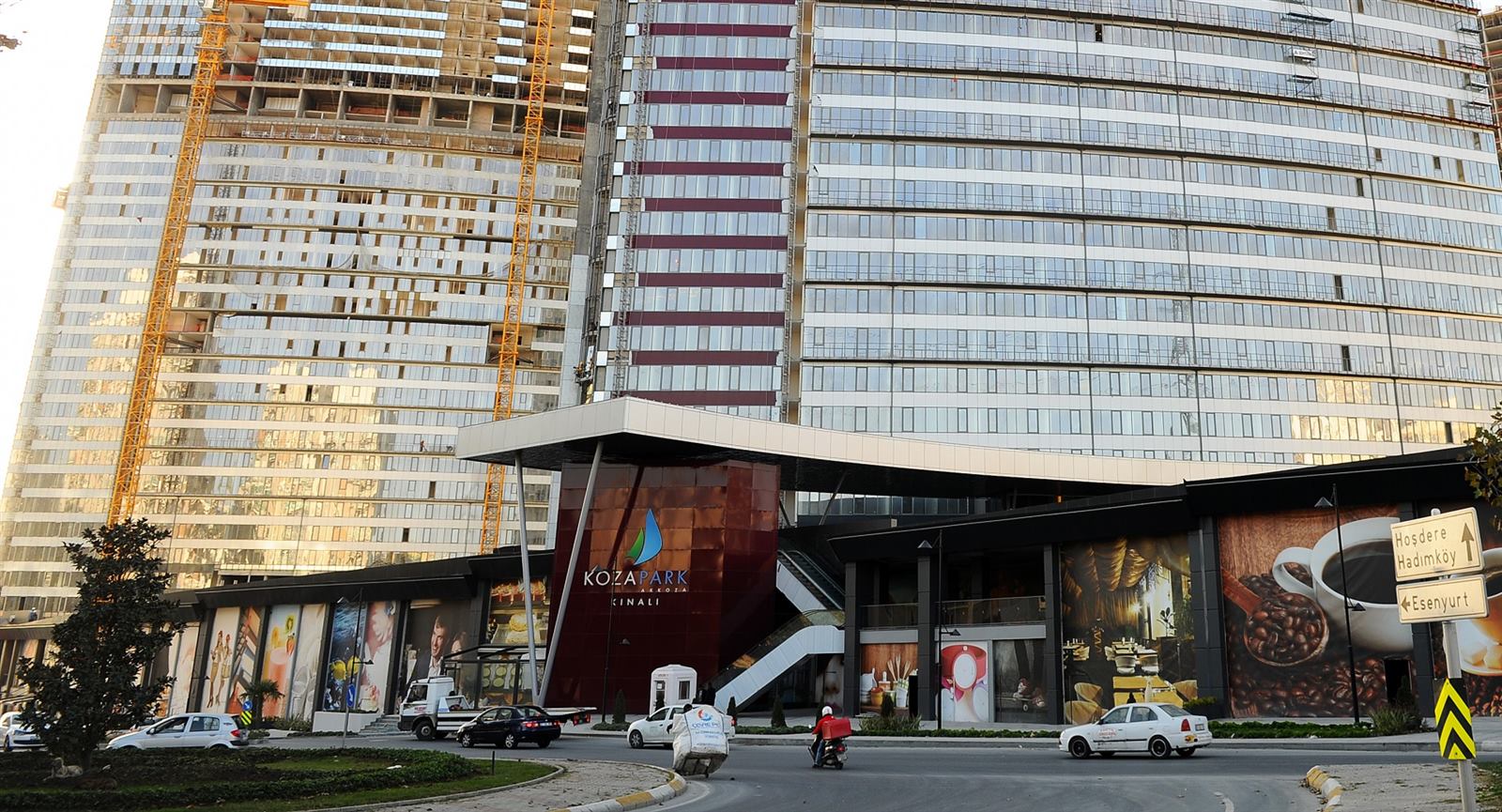 Office · 2024
Garanti Kozapark
Office · 2024
Garanti Kozapark
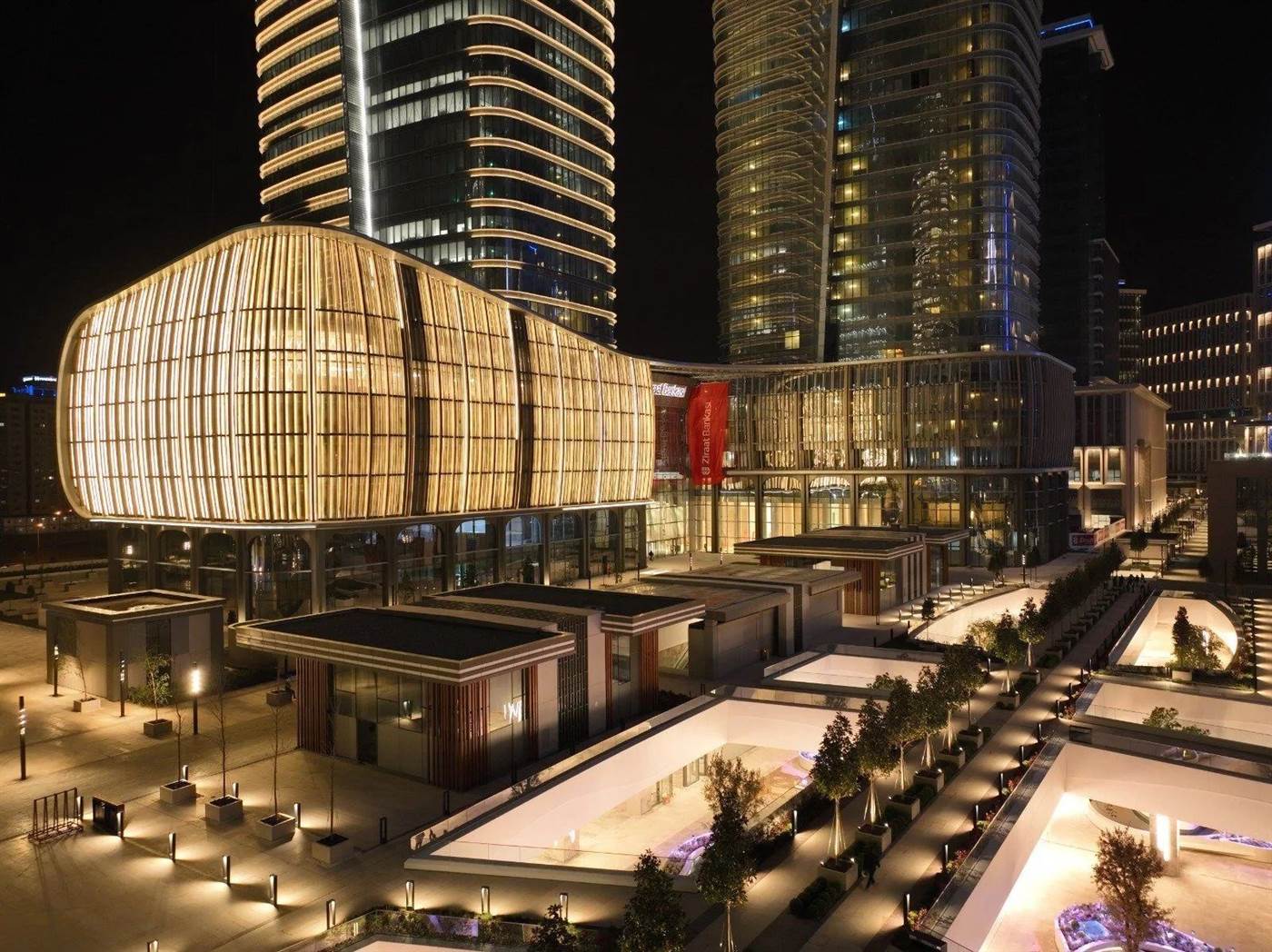 Office · 2024
Ziraat Bank Central Podium
Office · 2024
Ziraat Bank Central Podium
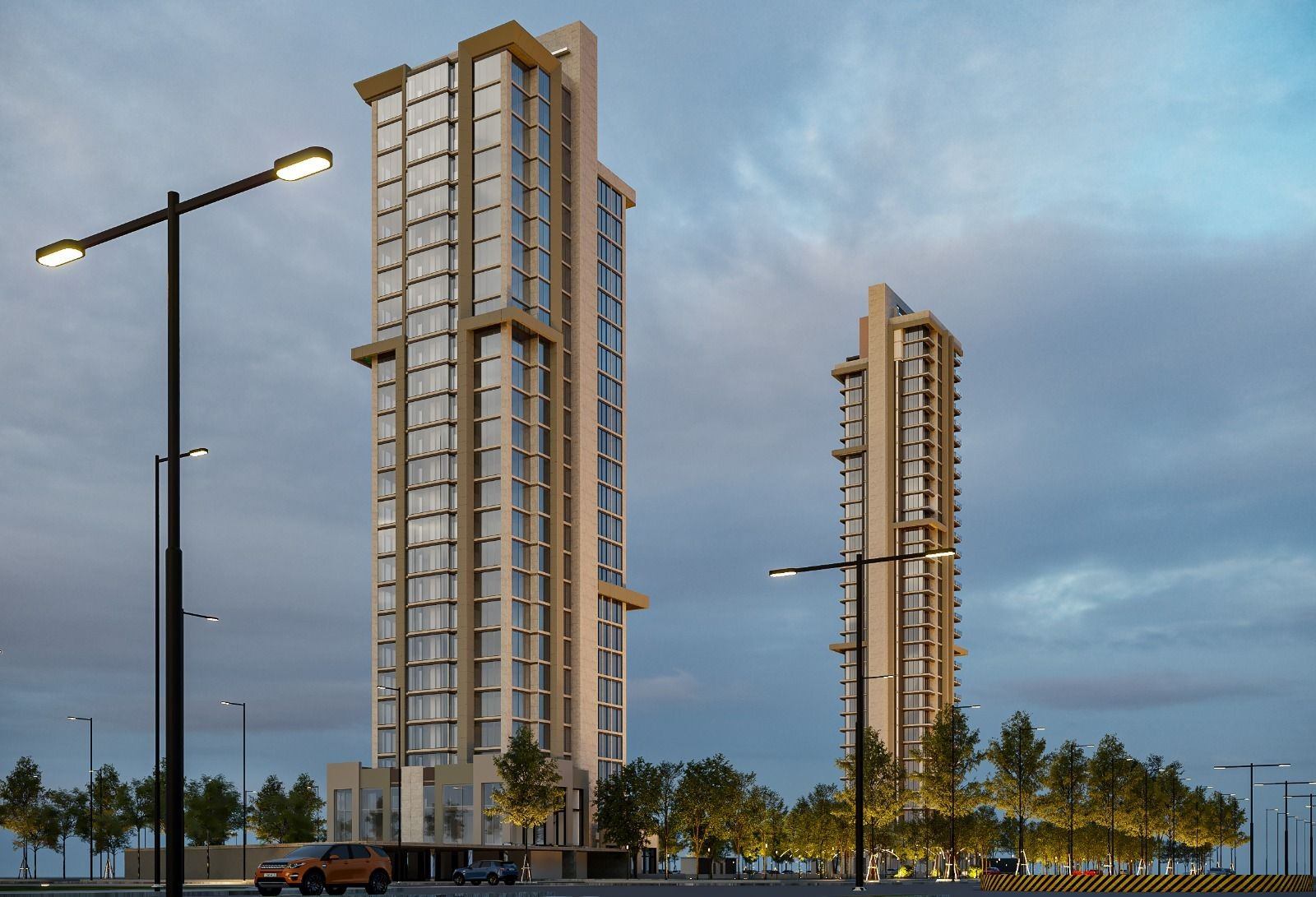 Residence · 2024
Tuna Park Atasehir
Residence · 2024
Tuna Park Atasehir
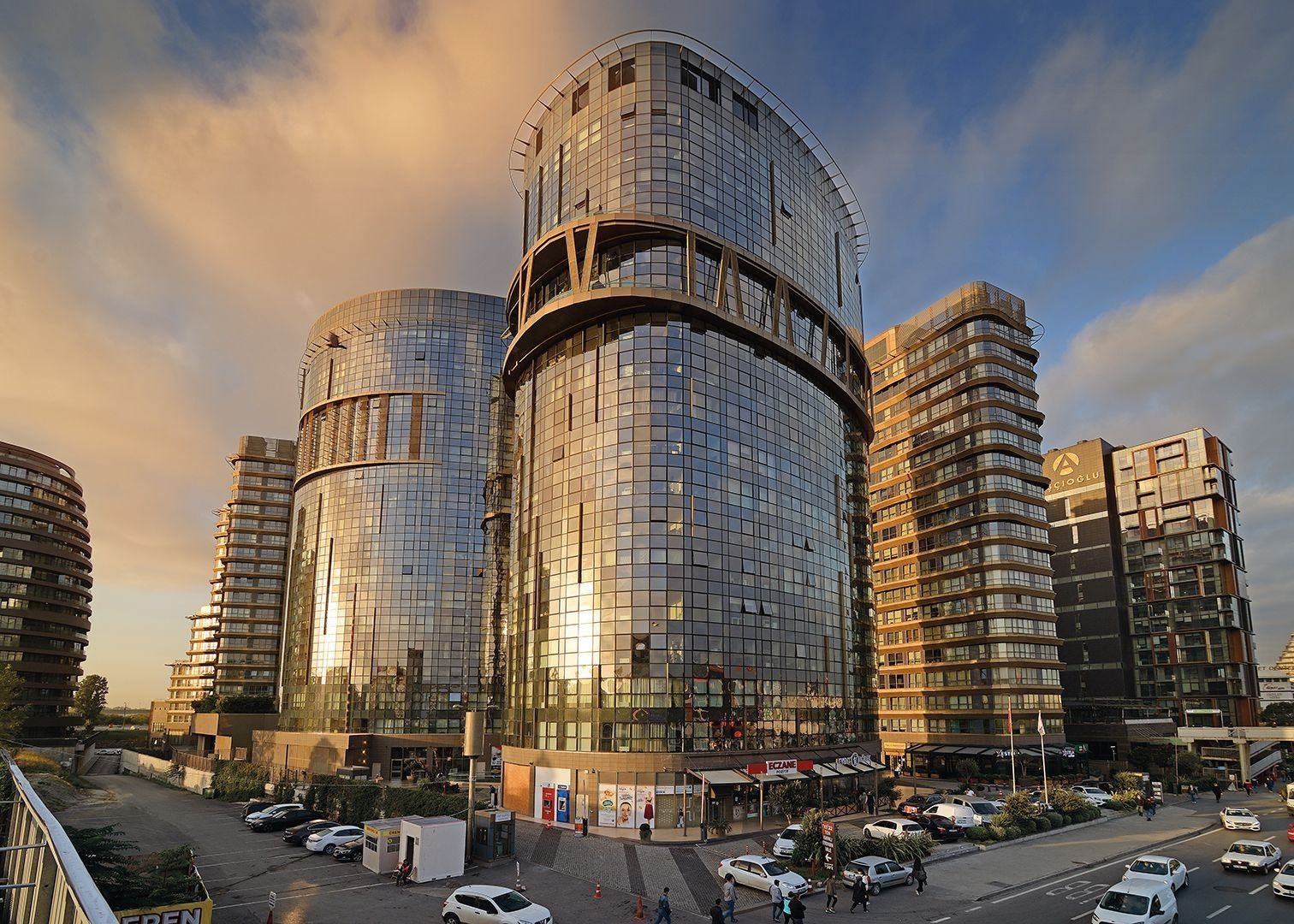 Residence · 2024
Nef22 B-E-F Blocks
Residence · 2024
Nef22 B-E-F Blocks
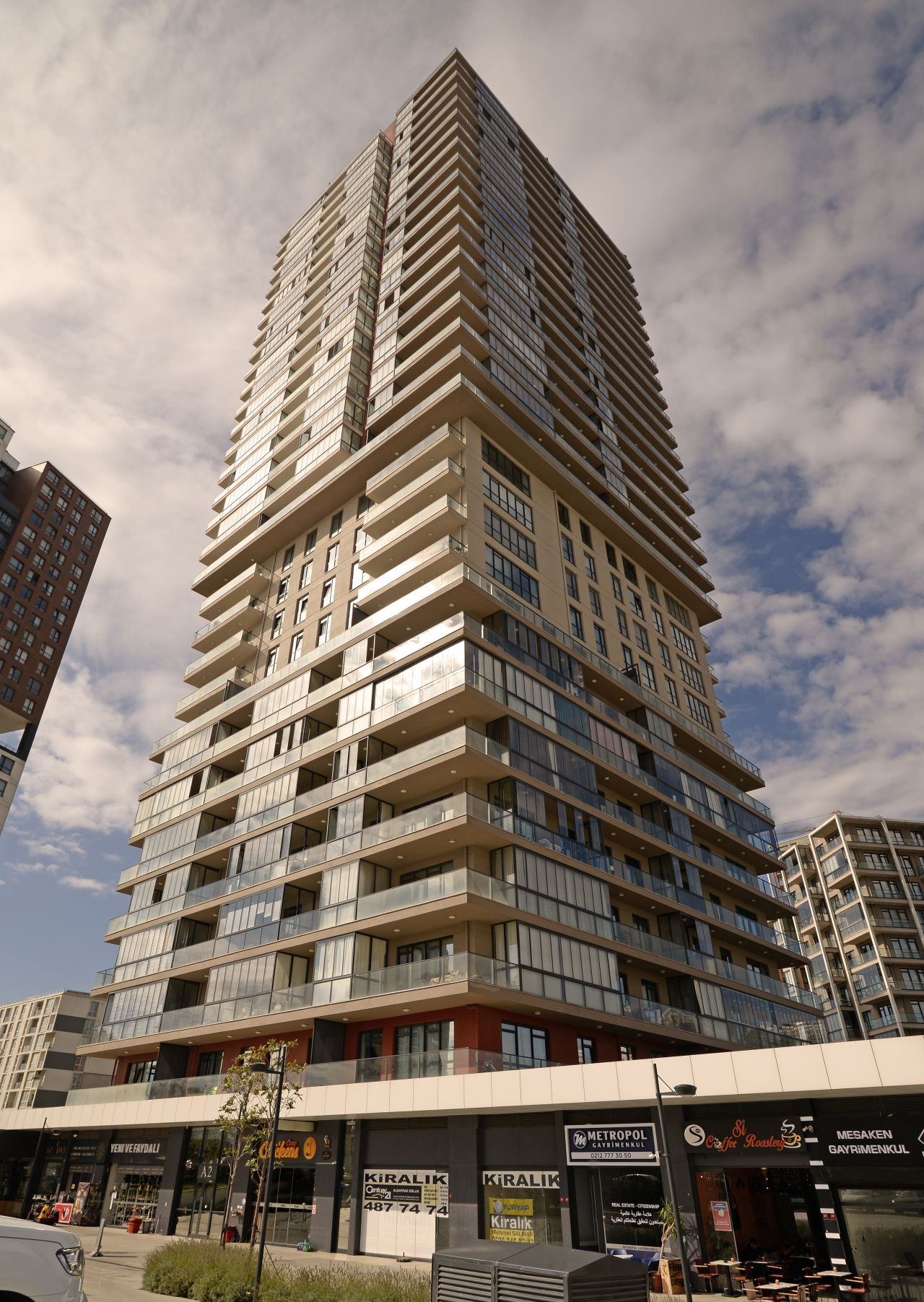 Mixed-Use · 2024
Adim Istanbul
Mixed-Use · 2024
Adim Istanbul
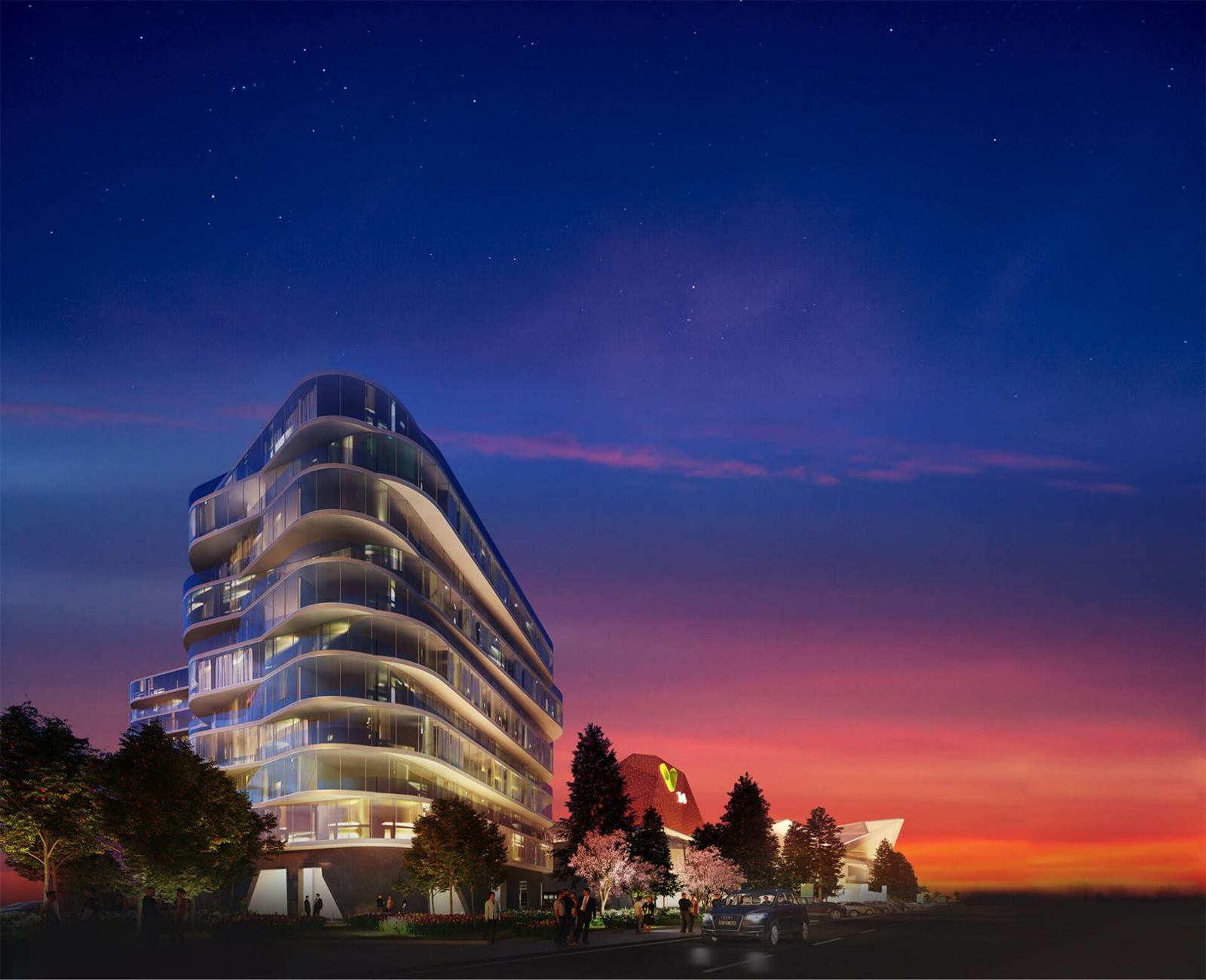 Mall · 2024
14 Burda Residence & Mall
Mall · 2024
14 Burda Residence & Mall
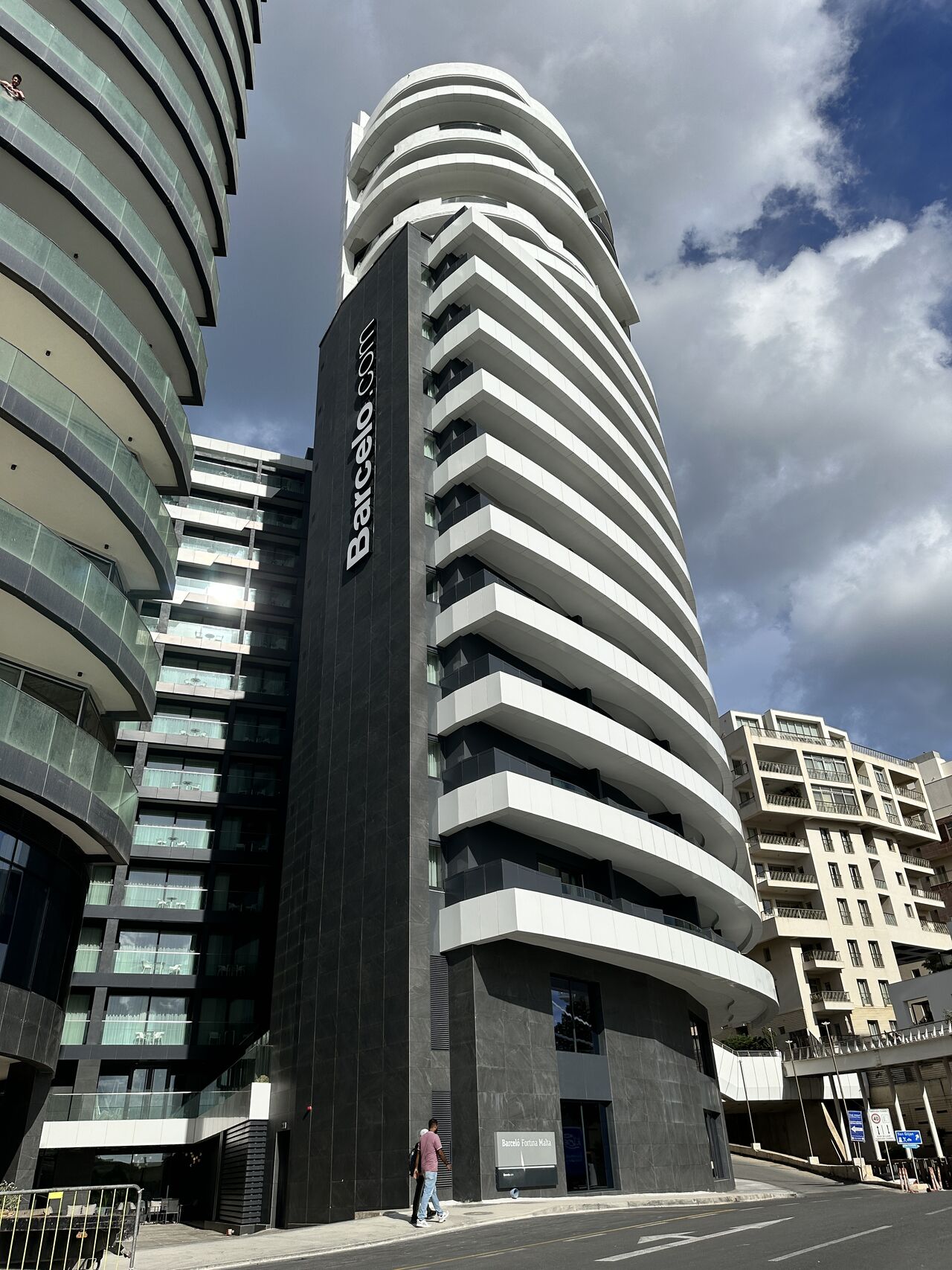 Hotel · 2024
Barceló Fortina Hotel
Hotel · 2024
Barceló Fortina Hotel
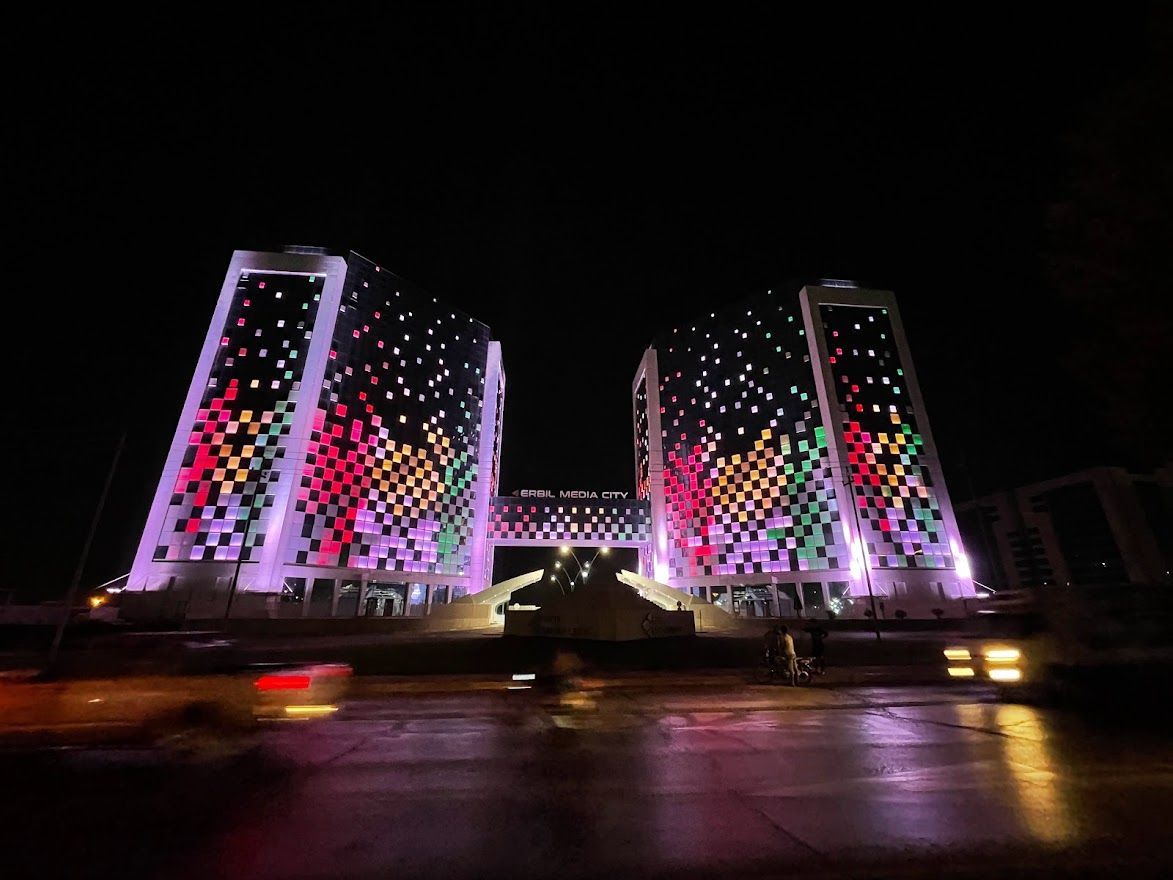 Office · 2024
Erbil Media City
Office · 2024
Erbil Media City