
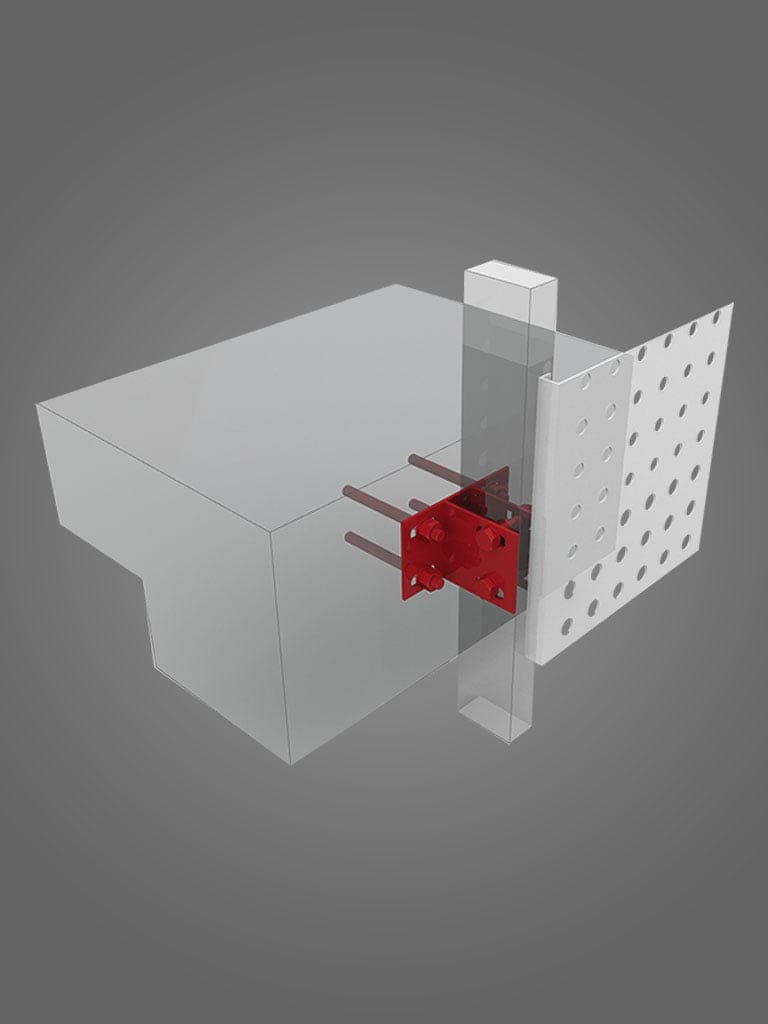
Secure anchoring solutions that carry the facade.
Facade anchors are the connection elements that fix a building’s exterior cladding safely to the load-bearing structure. They are critically important for preserving both the aesthetics and the structural integrity of the envelope.
Key features
- Adjustable in every direction
- Small edge distance
- High horizontal & vertical load capacity
- Bespoke design & sizing
In application
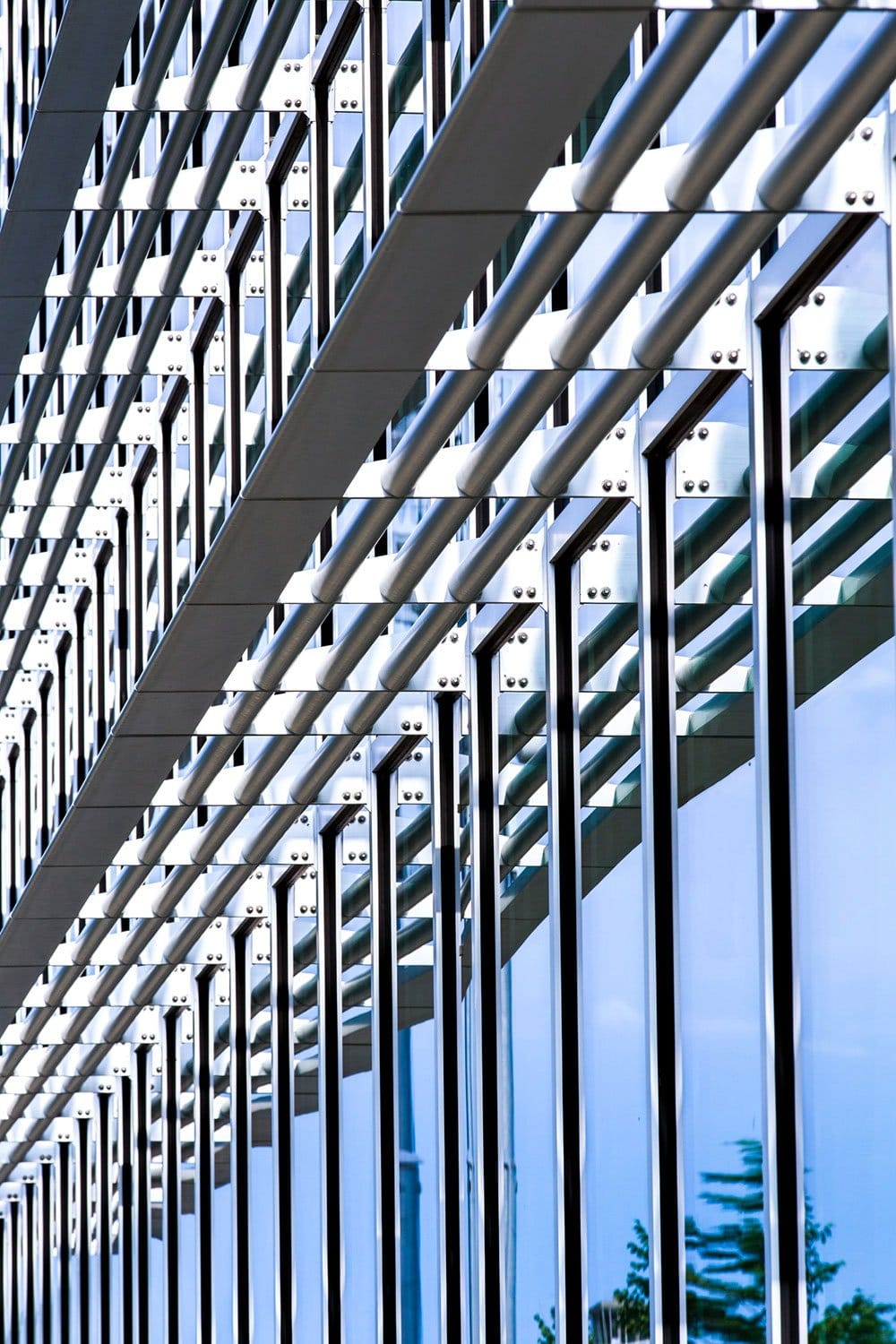
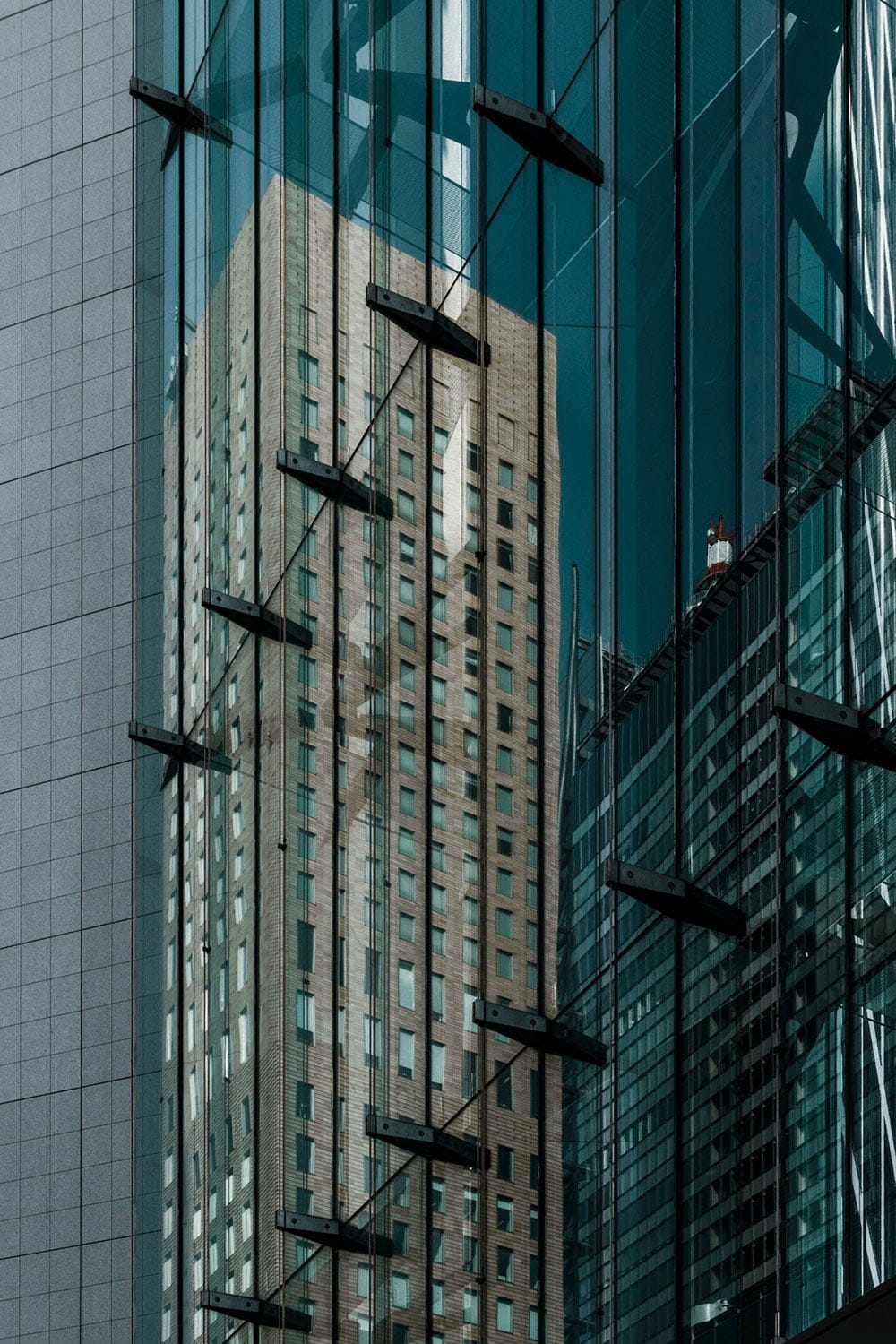
Drag to explore — click an image to enlarge.
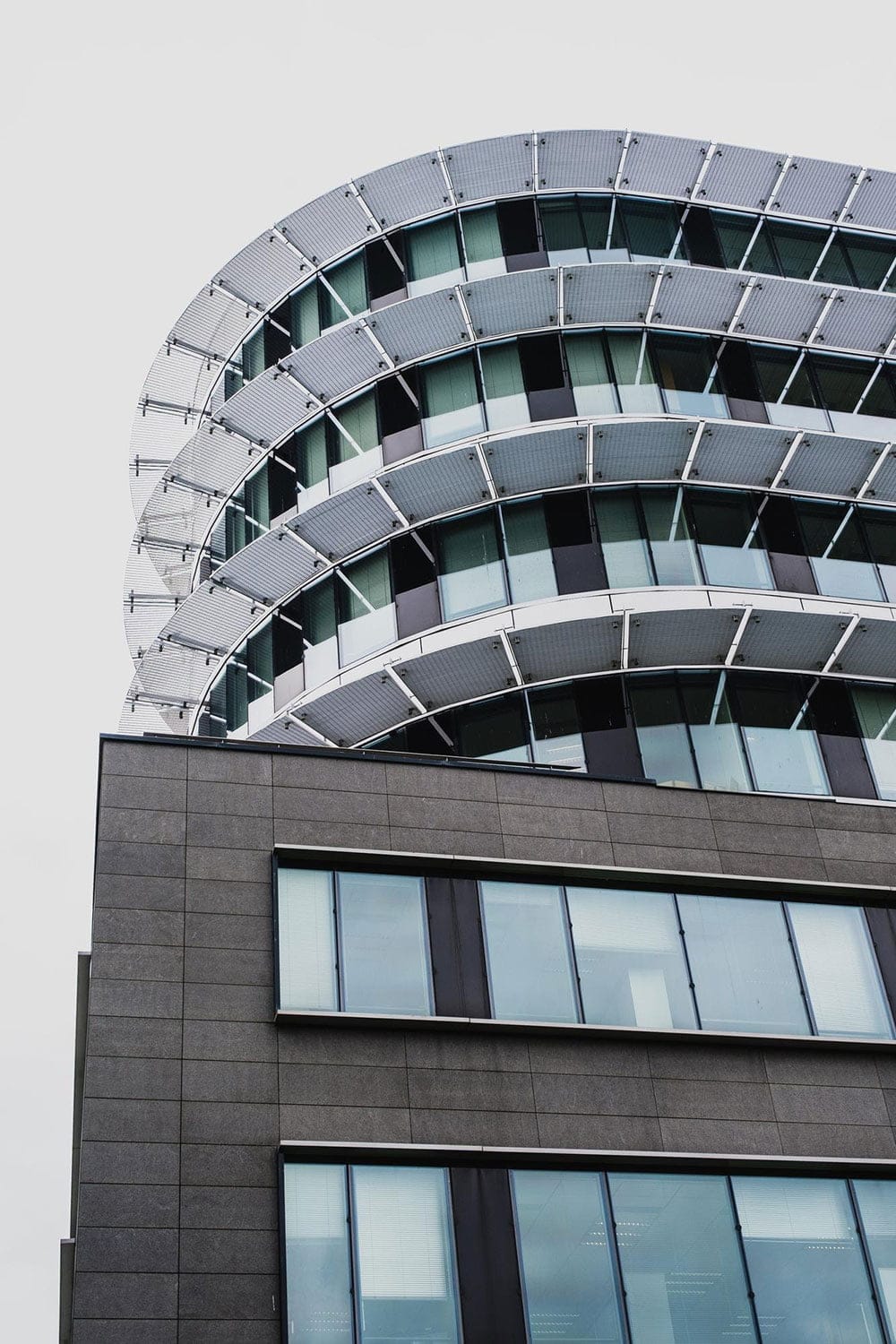
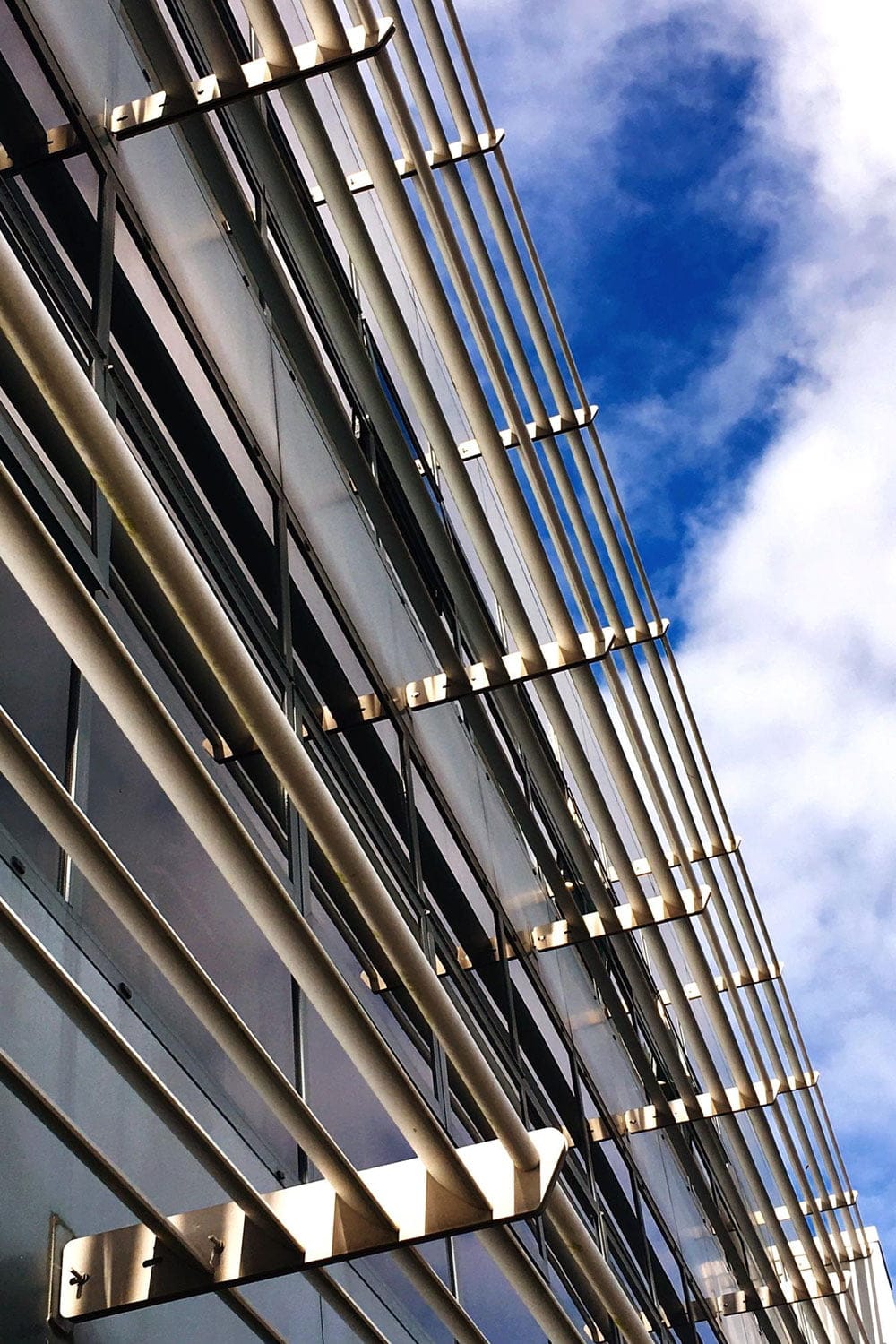
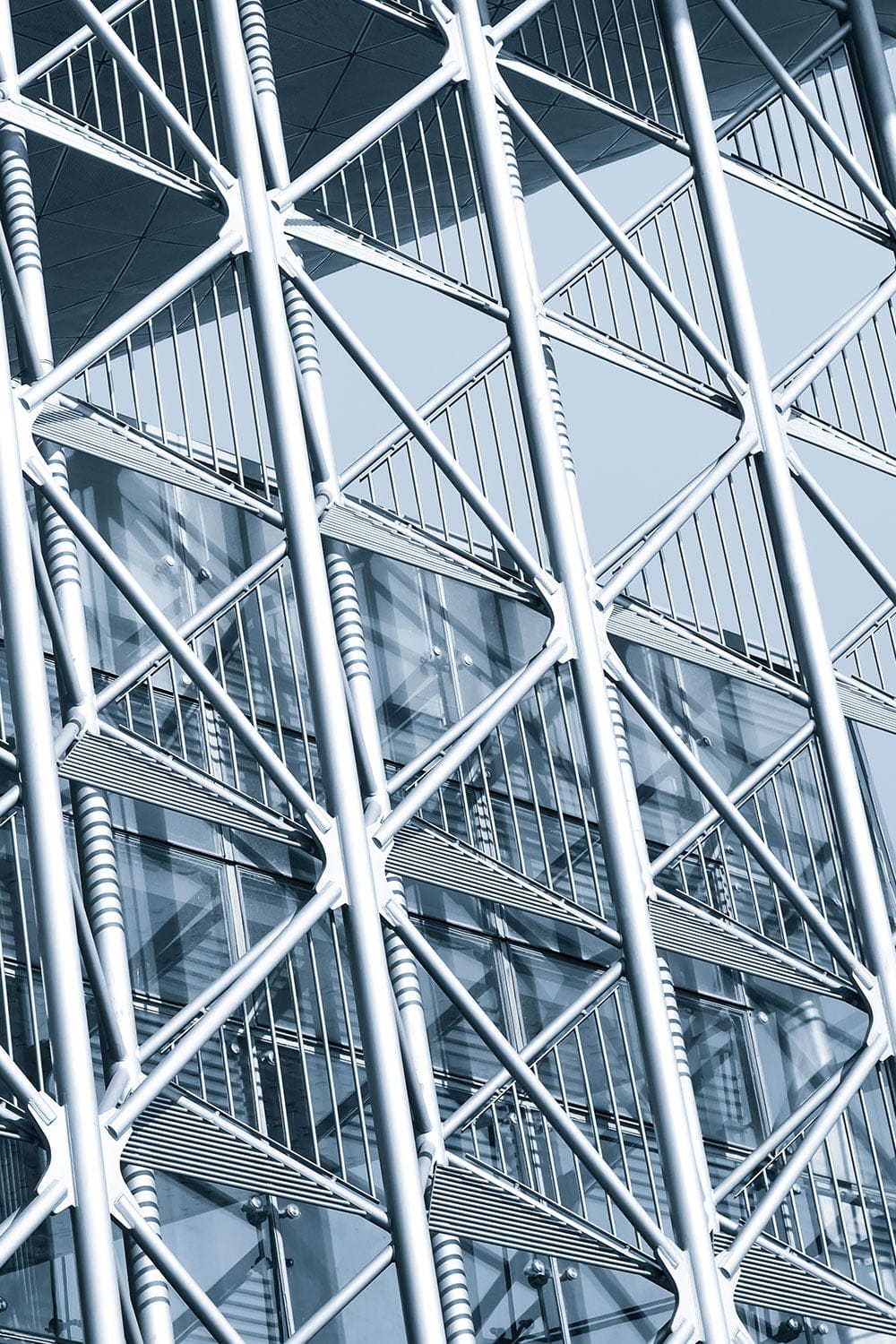
Anchor types
Facade anchors fix cladding safely back to the load-bearing structure.
- Mechanical — steel anchors: made of stainless or galvanised steel; high strength and corrosion resistance
- Mechanical — chemical anchors: made with chemical resins; a strong grip on hard surfaces such as concrete and stone
- Cast-in — internal anchors: placed inside the concrete during construction
- Cast-in — post-installed anchors: mounted after the structure is completed
Where they are used
- Glass facade systems — used to mount glass panels; may be steel or aluminium
- Stone cladding — used to mount natural stones such as marble and granite
- Composite panels — widely used to mount aluminium composite panels
- Ventilated facade systems — used in facades that raise energy efficiency through airflow
Connection elements
- Screws & bolts — in various lengths and thicknesses; produced from steel or stainless steel
- Dowels — used on surfaces such as concrete and brick; plastic, metal or chemical
- Hooks & clamps — common in stone and panel systems
- Profile systems — usually aluminium or steel, keeping panels neatly aligned
Installation & safety
- Static calculations — each anchor system must be designed for the loads it will carry, with static calculations made
- Installation instructions — the manufacturer’s installation instructions must be followed
- Corrosion protection — protective measures must be taken for anchors exposed to the open air
- Periodic maintenance — regular maintenance and inspection keeps facade systems long-lasting
Standards & regulations
- TS EN 1993 (Eurocode 3) — sets the design criteria for steel structures
- TS EN 1992 (Eurocode 2) — sets the design criteria for concrete structures
- TS EN 1090 — covers the conformity-assessment criteria for steel and aluminium structures
Innovations & developments
- Light yet durable materials — new materials make anchors lighter and stronger
- Modular systems — modular anchor systems offering easy installation and removal
- Energy efficiency — anchor solutions compatible with innovative, energy-saving facade systems
Advantages of facade anchors
Facade anchors and connection elements are among the most critical elements of a building in terms of both aesthetics and safety, so choosing, installing and maintaining the right anchor system carries great importance.
- Fast, simple installation thanks to a structure adjustable in every direction
- A small edge distance allows mounting close to the edge or front end of floor slabs
- High load-bearing capacity under both horizontal and vertical loads
- Bespoke design and sizing to suit various fixing applications
Technical data
- Standards
- TS EN 1993 · TS EN 1992 · TS EN 1090
- Materials
- Stainless / galvanised steel, aluminium
- Adjustment
- Adjustable in every direction
- Capacity
- High horizontal & vertical load capacity
Similar products
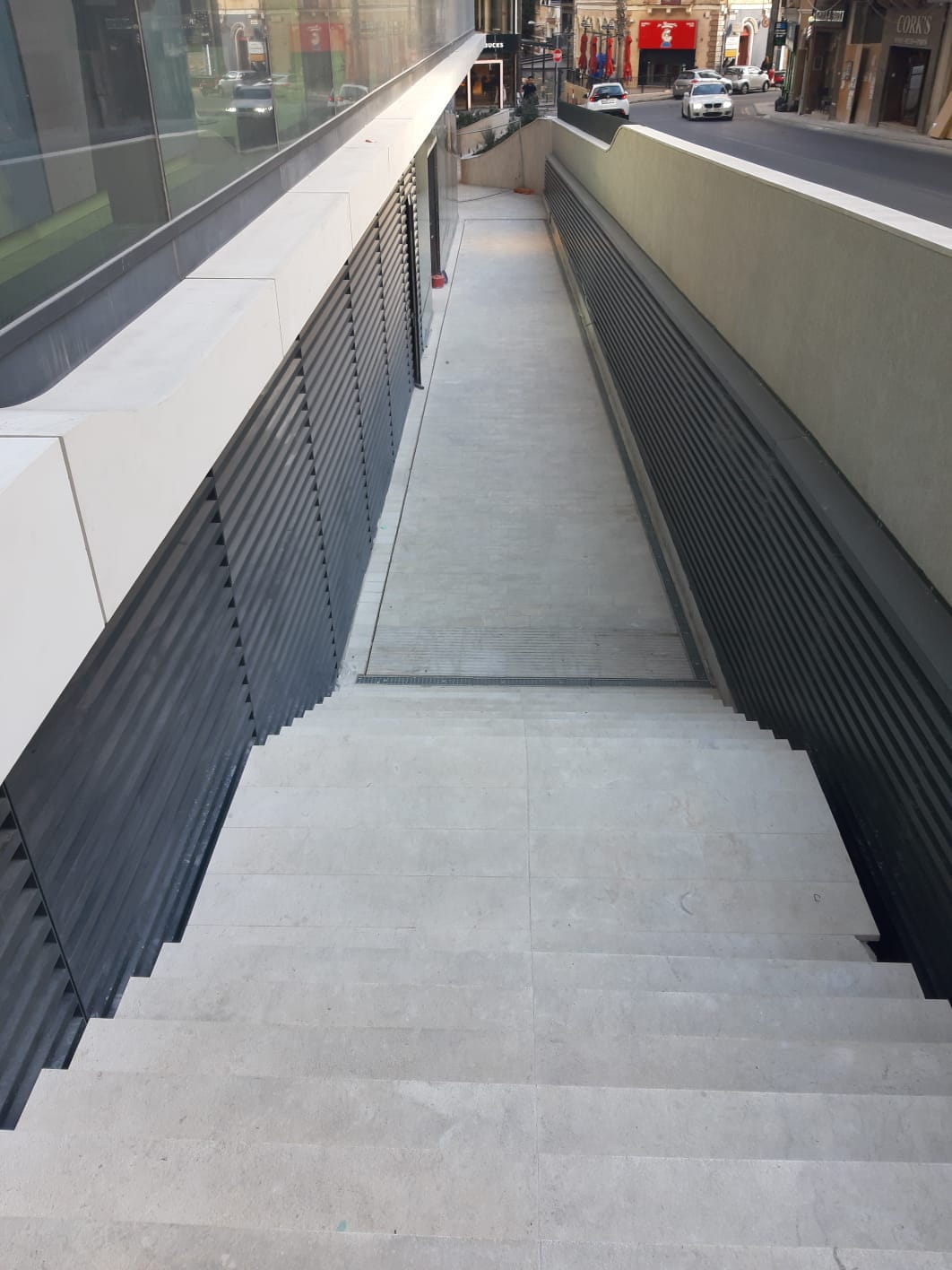
References
Completed projects
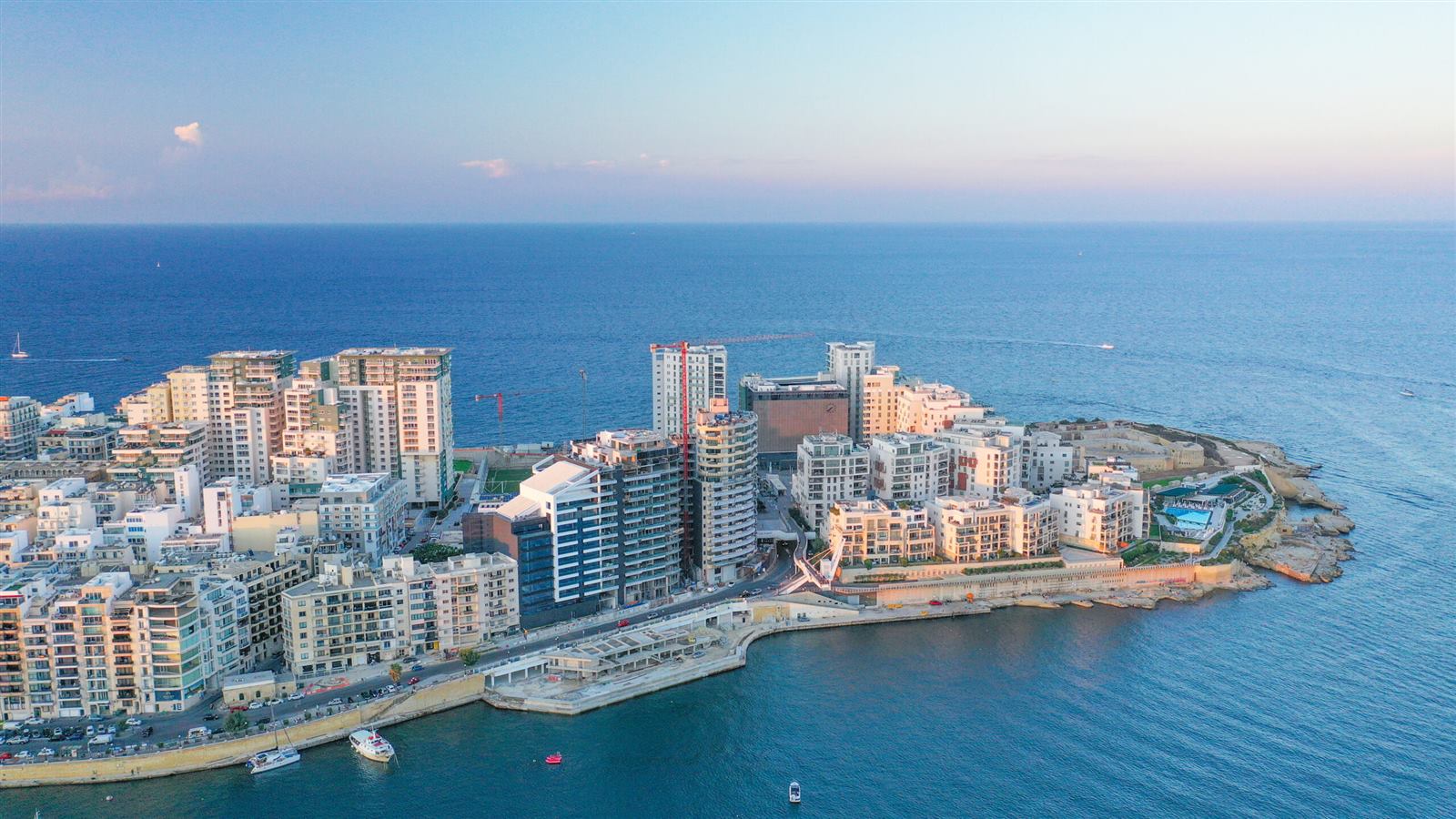 Office · 2024
BET365 Office
Office · 2024
BET365 Office
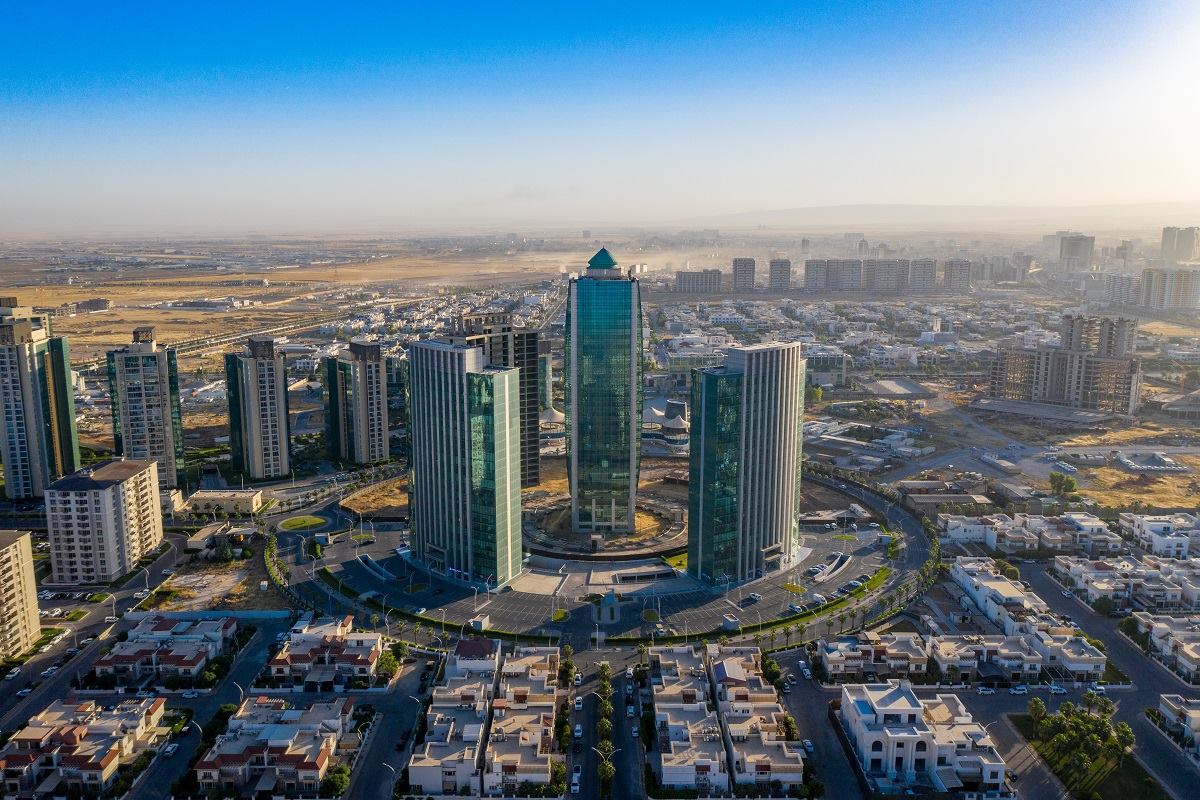 Office · 2019
Business Tower
Office · 2019
Business Tower
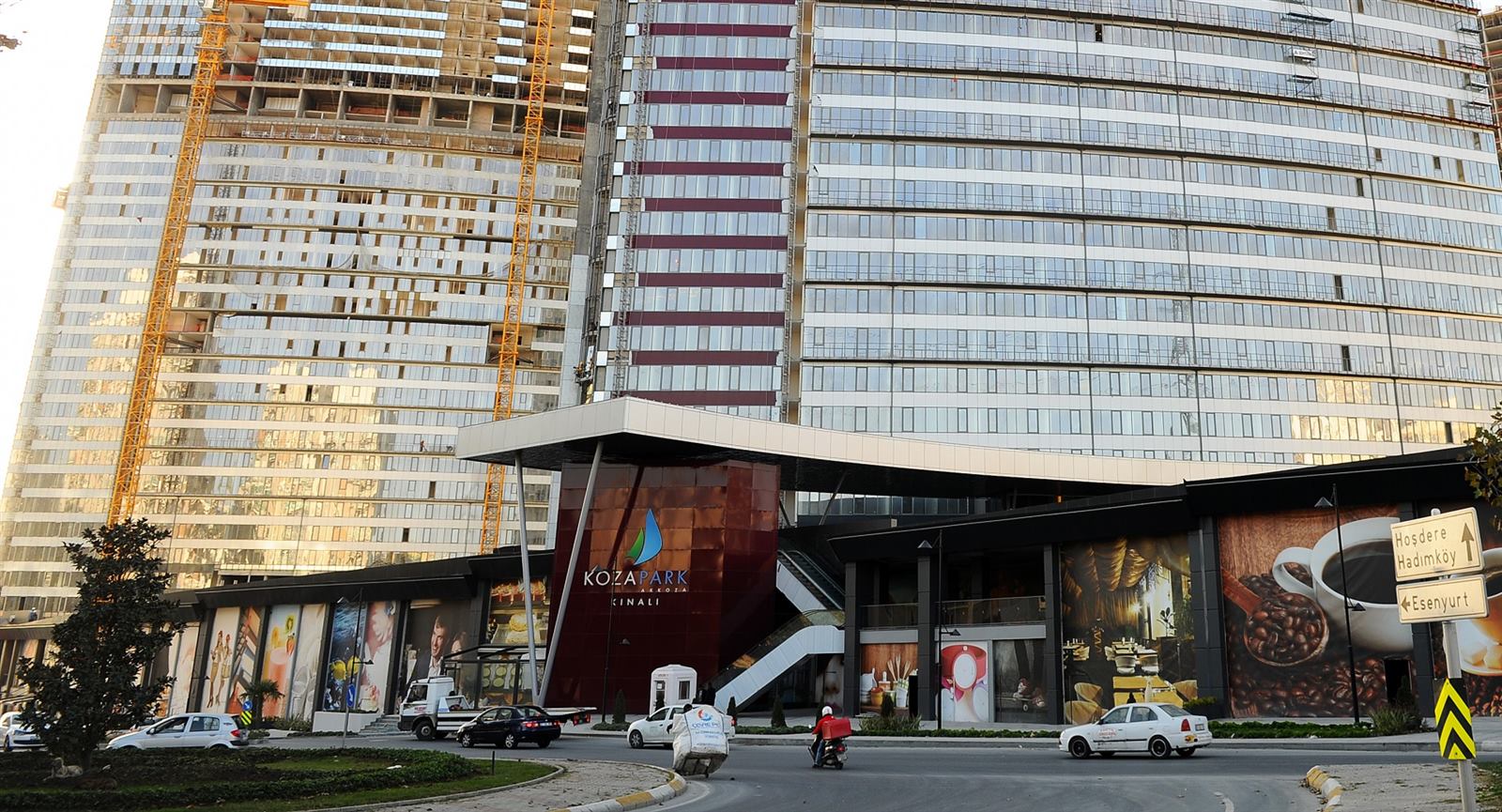 Office · 2024
Garanti Kozapark
Office · 2024
Garanti Kozapark
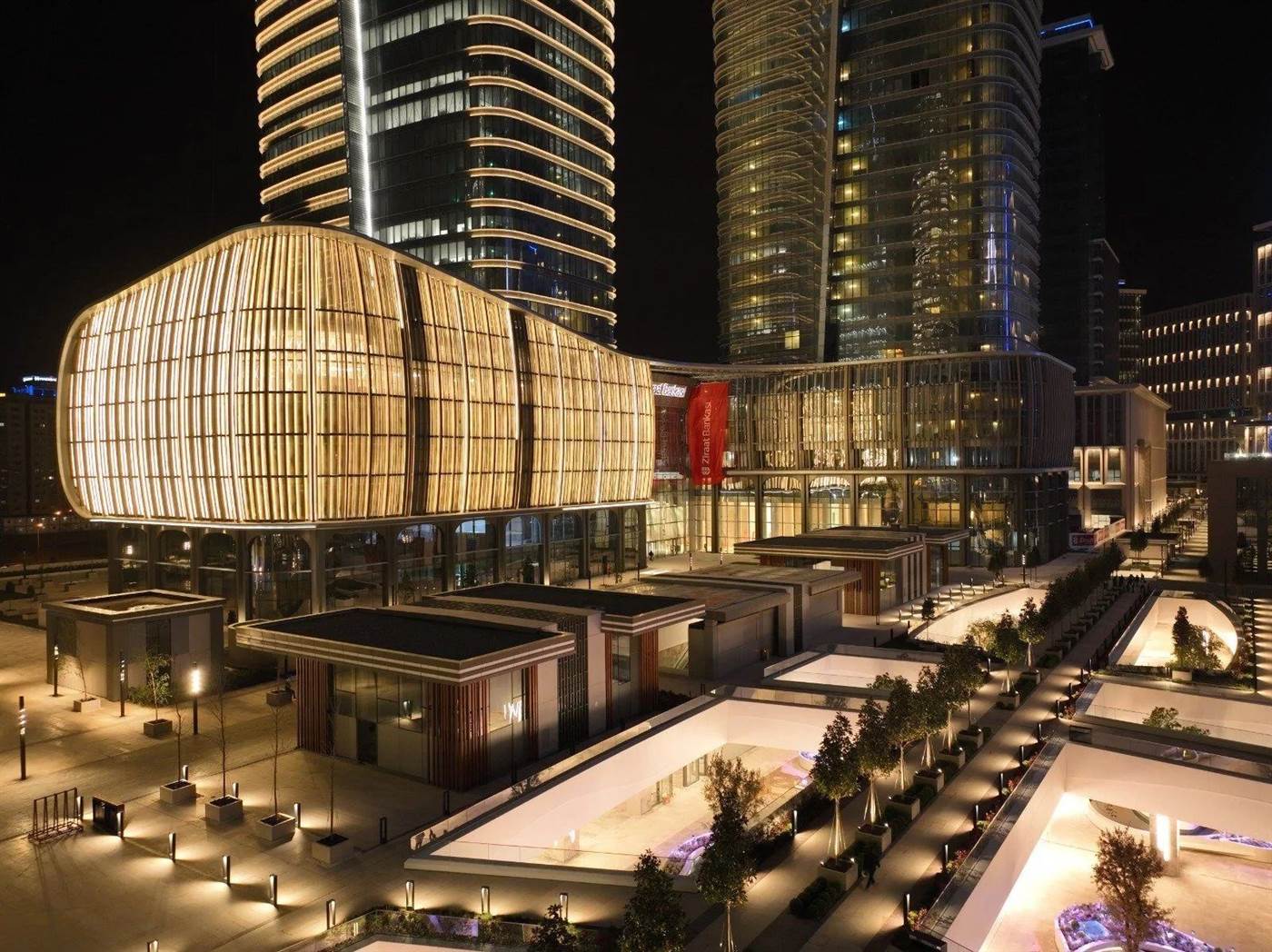 Office · 2024
Ziraat Bank Central Podium
Office · 2024
Ziraat Bank Central Podium
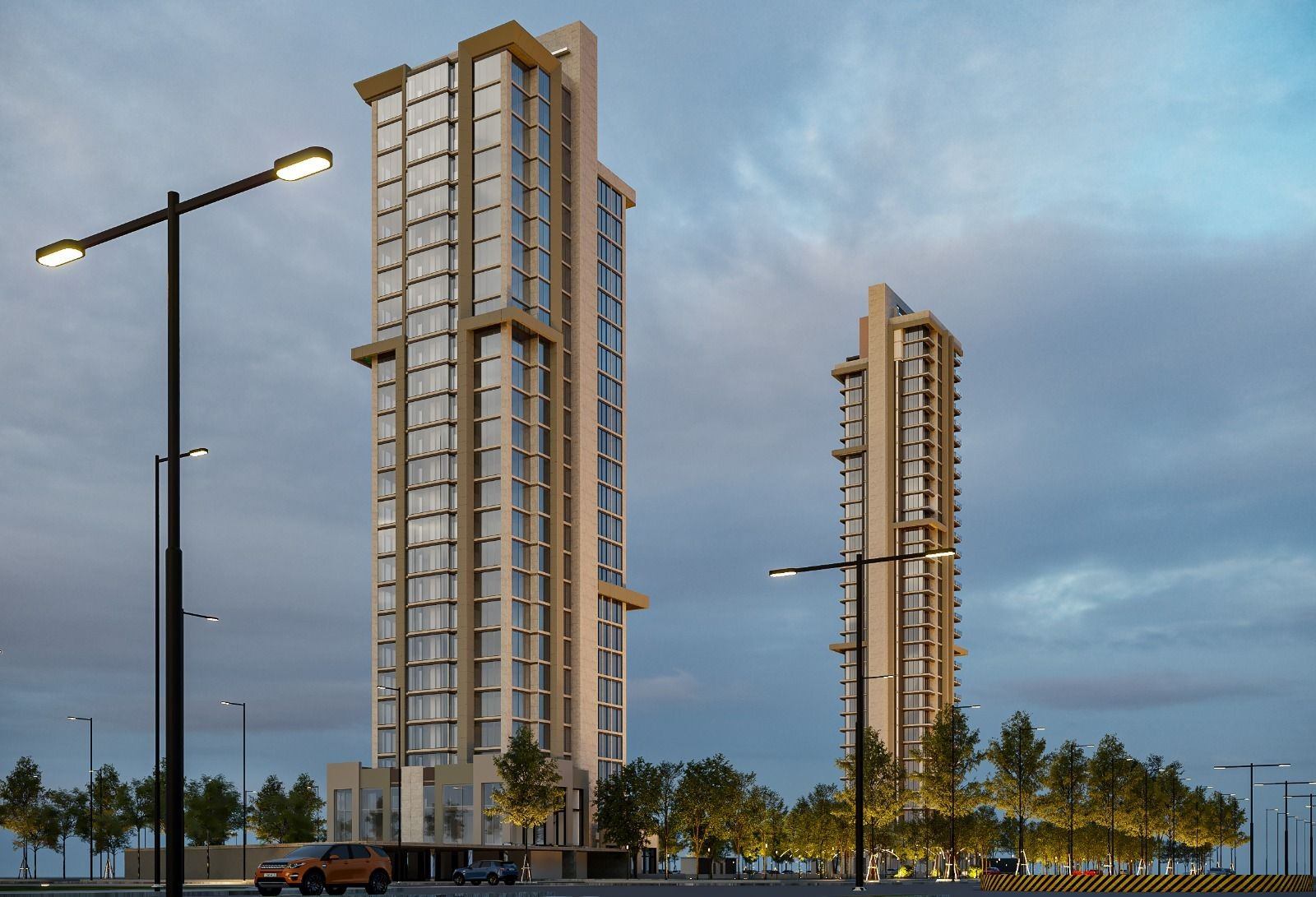 Residence · 2024
Tuna Park Atasehir
Residence · 2024
Tuna Park Atasehir
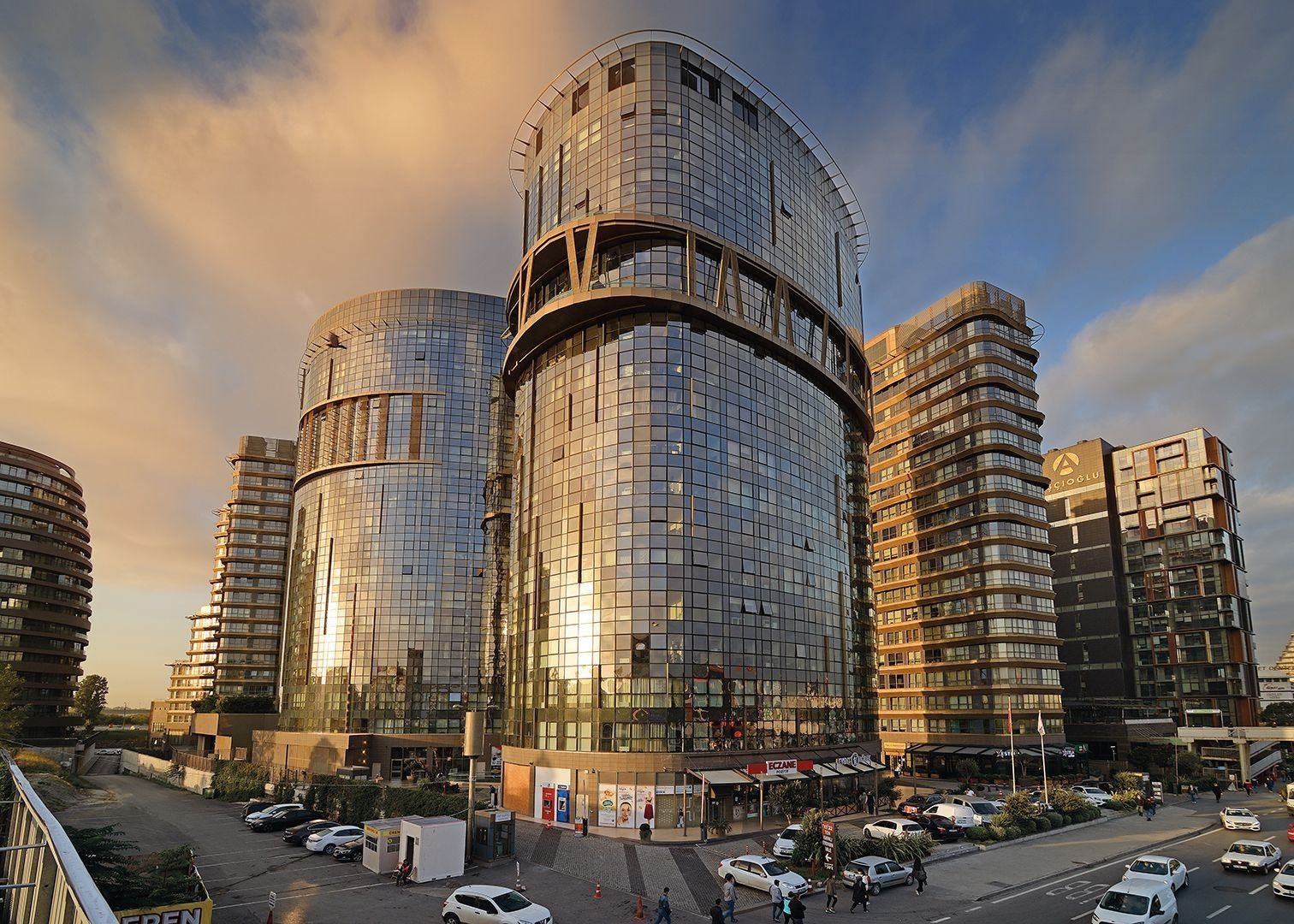 Residence · 2024
Nef22 B-E-F Blocks
Residence · 2024
Nef22 B-E-F Blocks
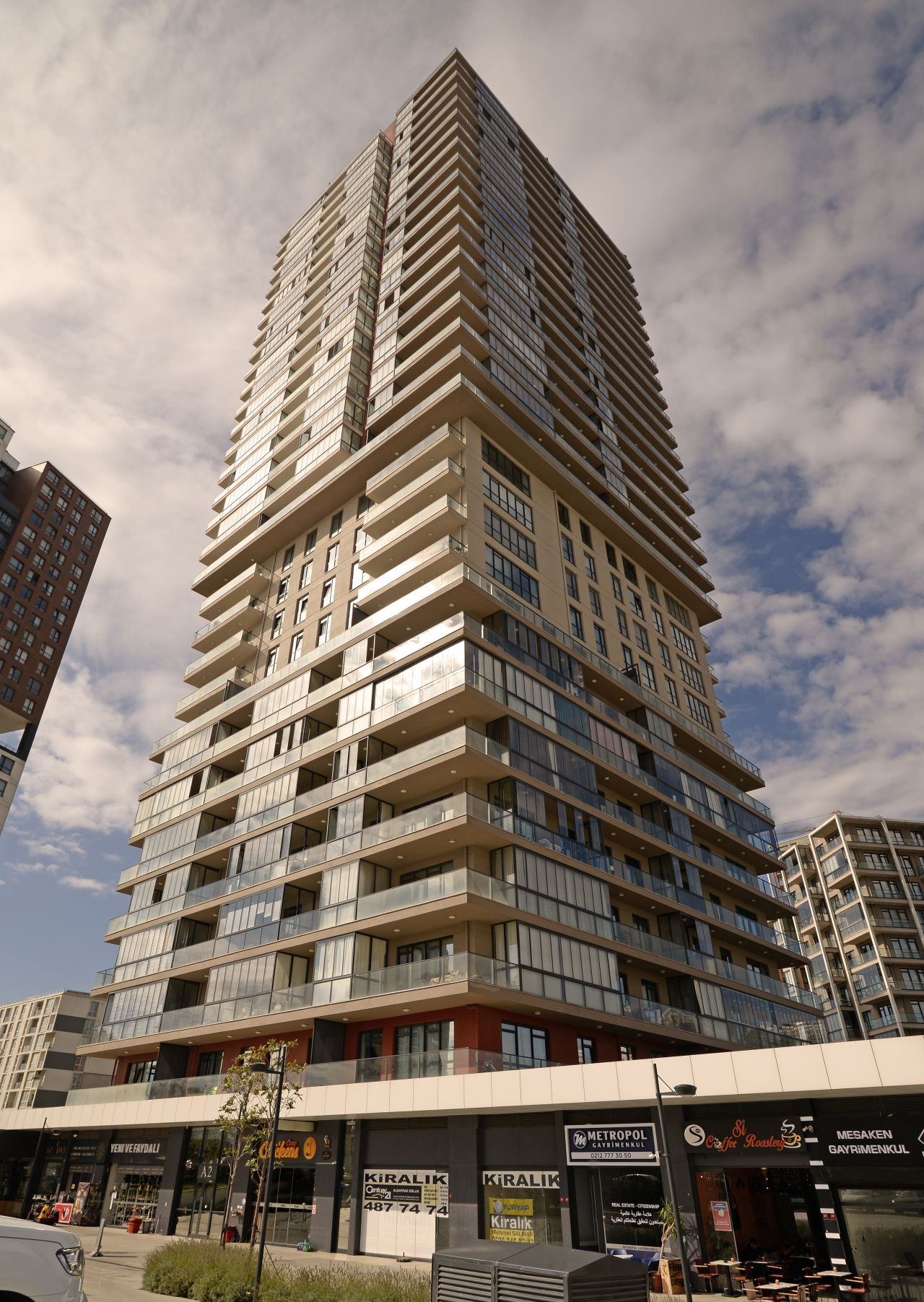 Mixed-Use · 2024
Adim Istanbul
Mixed-Use · 2024
Adim Istanbul
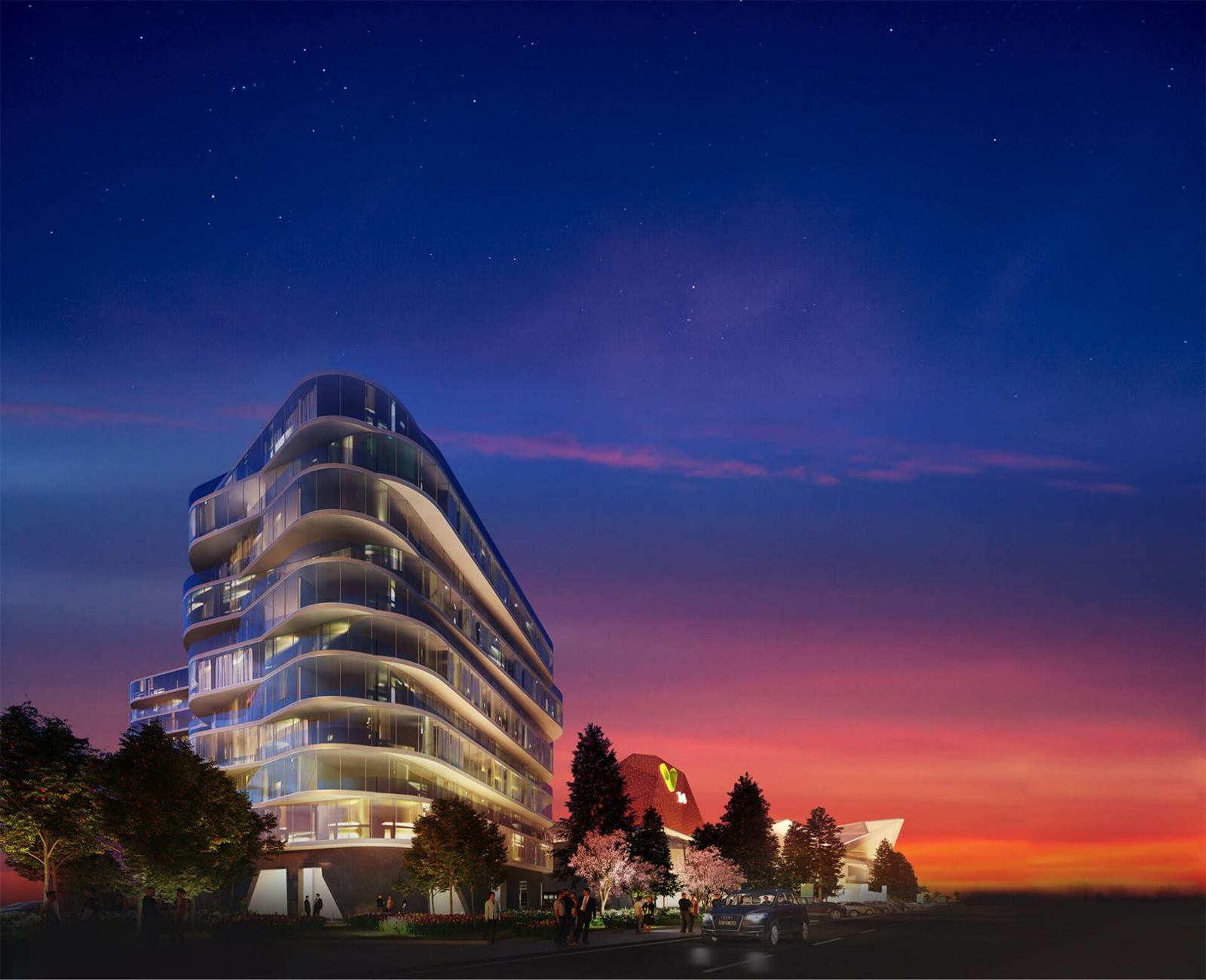 Mall · 2024
14 Burda Residence & Mall
Mall · 2024
14 Burda Residence & Mall
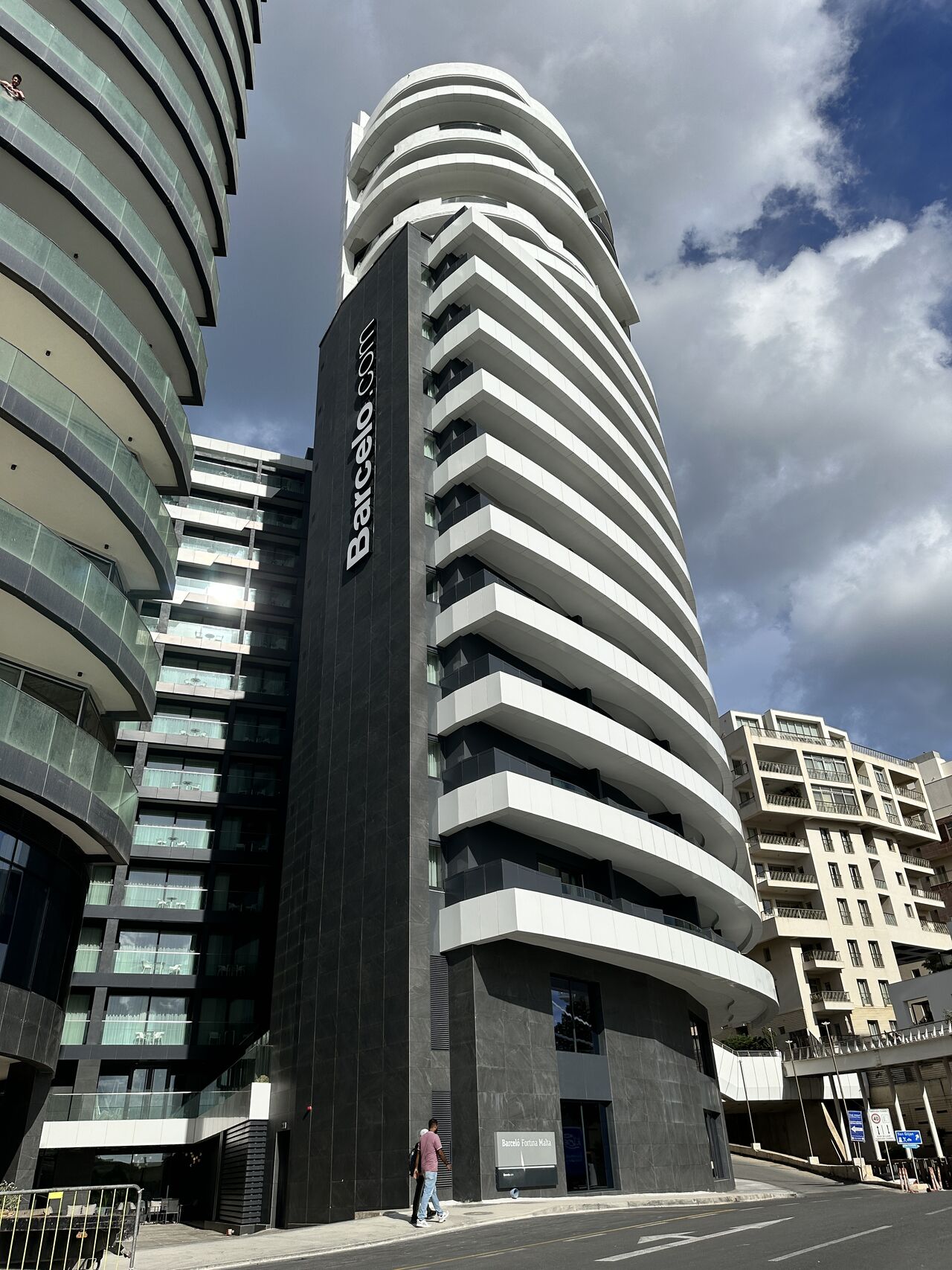 Hotel · 2024
Barceló Fortina Hotel
Hotel · 2024
Barceló Fortina Hotel
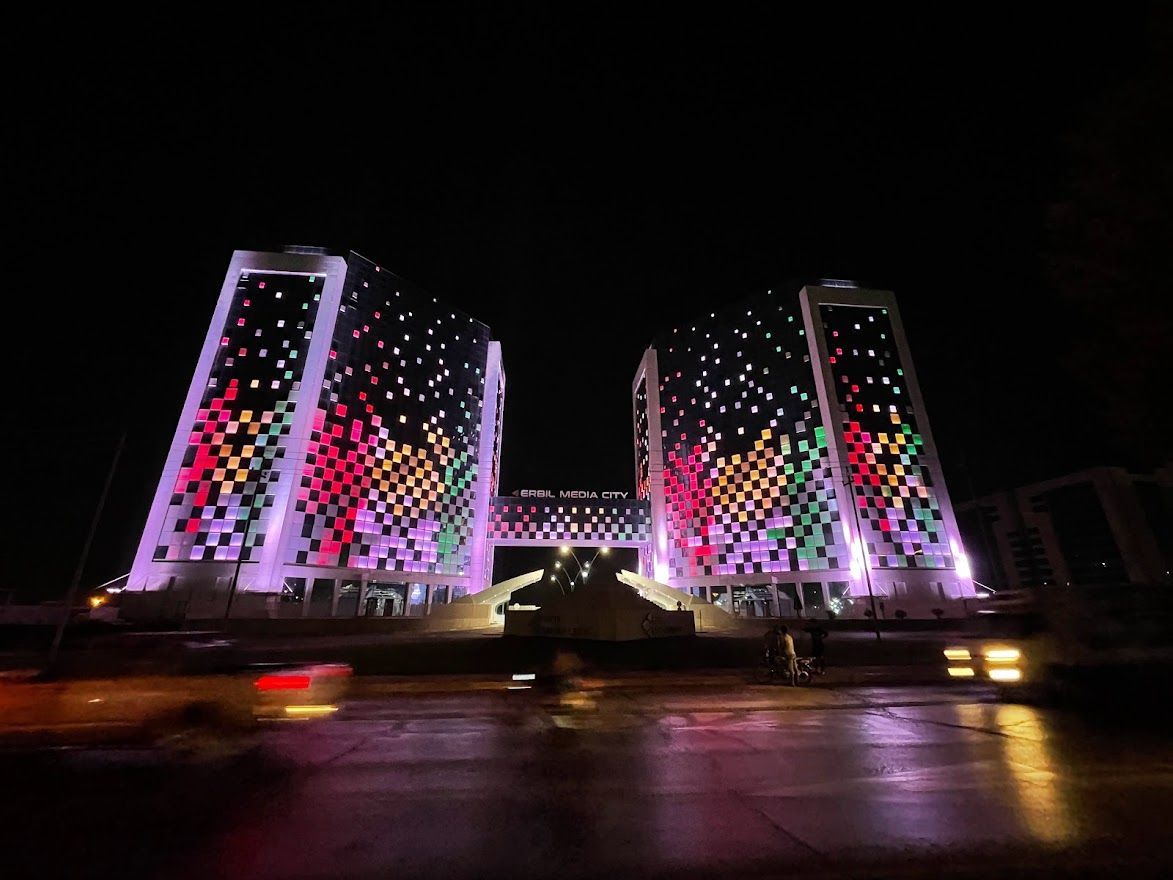 Office · 2024
Erbil Media City
Office · 2024
Erbil Media City