
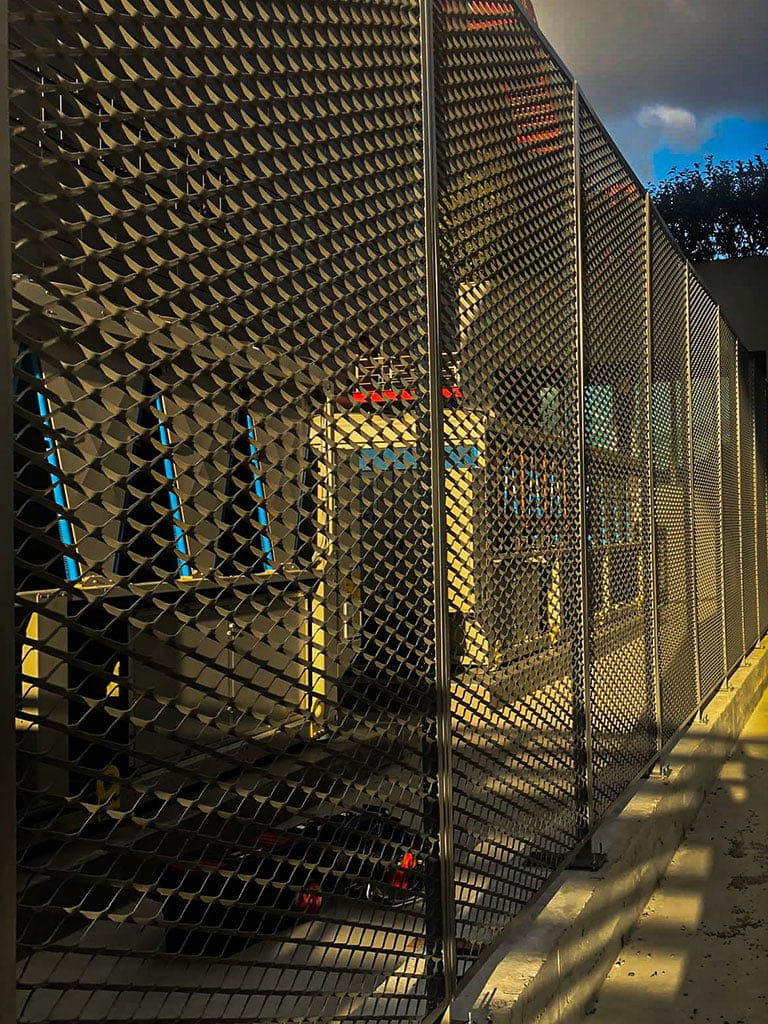
Lightweight, durable decorative metal cut and stretched from a single sheet.
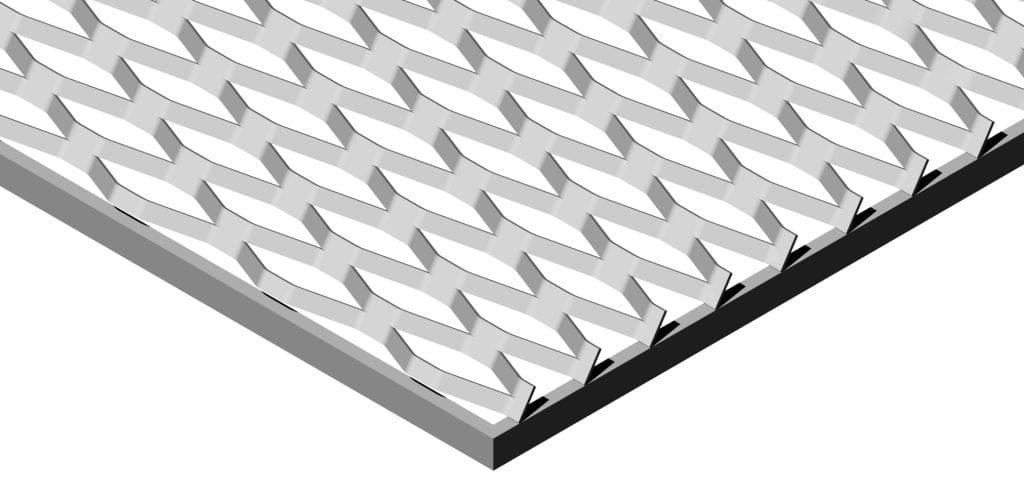
Expanded metals are materials obtained by cutting metal sheets in a specific pattern and then stretching them to expand. As a result of this process, the metal sheet acquires a larger surface area and gains a mesh or lattice structure. Expanded metals are generally used in various industrial, commercial and architectural applications.
Key features
- Single piece, zero waste
- High strength at low weight
- Air & light permeability
- Anti-slip, walkable surface
Documents
Properties of expanded metal
Durability: Expanded metals retain the durability properties of the metal they are made from. This makes them suitable for various applications.
Light weight: When the metal sheet is expanded, the material covers a larger surface area without increasing in weight. This makes expanded metal lightweight.
Air and light permeability: Thanks to their perforated and open structure, expanded metal structures allow air and light to pass through.
Slip resistance: Expanded metal surfaces increase slip resistance, providing a safe walking or working surface.
Aesthetics: Since it can be produced in different patterns and materials, it can be used for aesthetic purposes.
Production process
Expanded metal production consists of the following steps:
Cutting: The metal sheet is cut in a specific pattern. This cutting process usually creates a series of connected holes or slits.
Expanding: The cut sheet is stretched and expanded. This expansion process increases the surface area of the metal sheet and gives it its characteristic mesh structure.
Areas of use
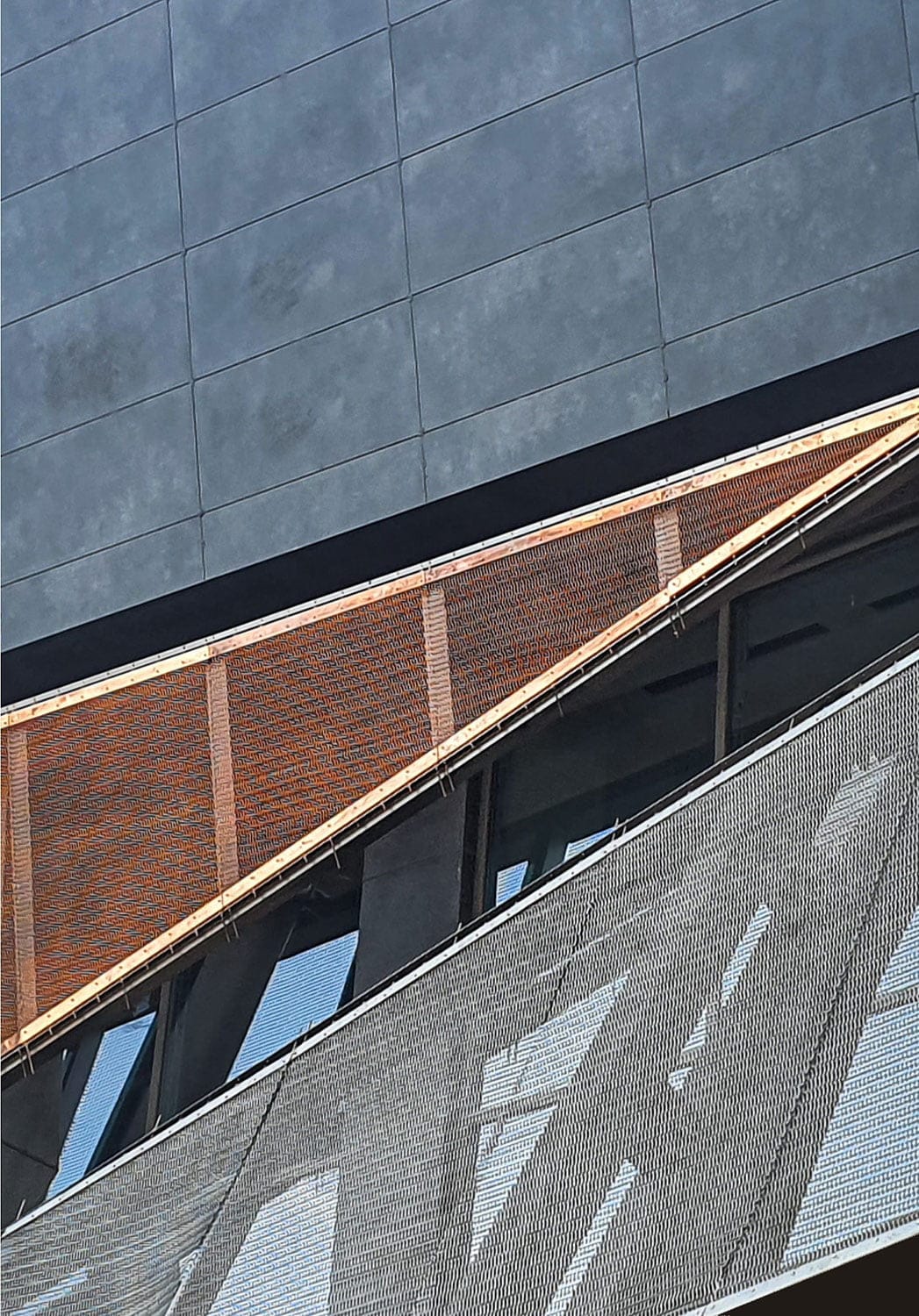
Construction and architecture: Used in facade cladding, railings, fences, stair treads and decorative panels.
Industry: Common in industrial applications such as filters, gratings, walking platforms and safety barriers.
Automotive and transport: Used in vehicle components such as ventilation, radiator guards and luggage compartments.
Furniture and design: Featured in modern furniture designs and various decorative objects.
Material types
Expanded metals can be produced from different metals. Commonly used materials include steel, aluminium, stainless steel, copper and titanium. Which material is used depends on the requirements of the application.
Expanded metals are versatile and functional materials, used across a wide range in modern design and engineering. By offering both practical and aesthetic advantages, they play an important role in various industries.
Technical data
- Production
- Cut + stretch from a single sheet
- Materials
- Steel, aluminium, stainless steel, copper, titanium
- Open area
- Adjustable, ~5–95% by pattern
- Max width
- Up to 3000 mm (varies by pattern)
- Finish
- Mill or RAL powder-coat
Standard sizes
Pick a mesh below to see its dimensions, material and open area.
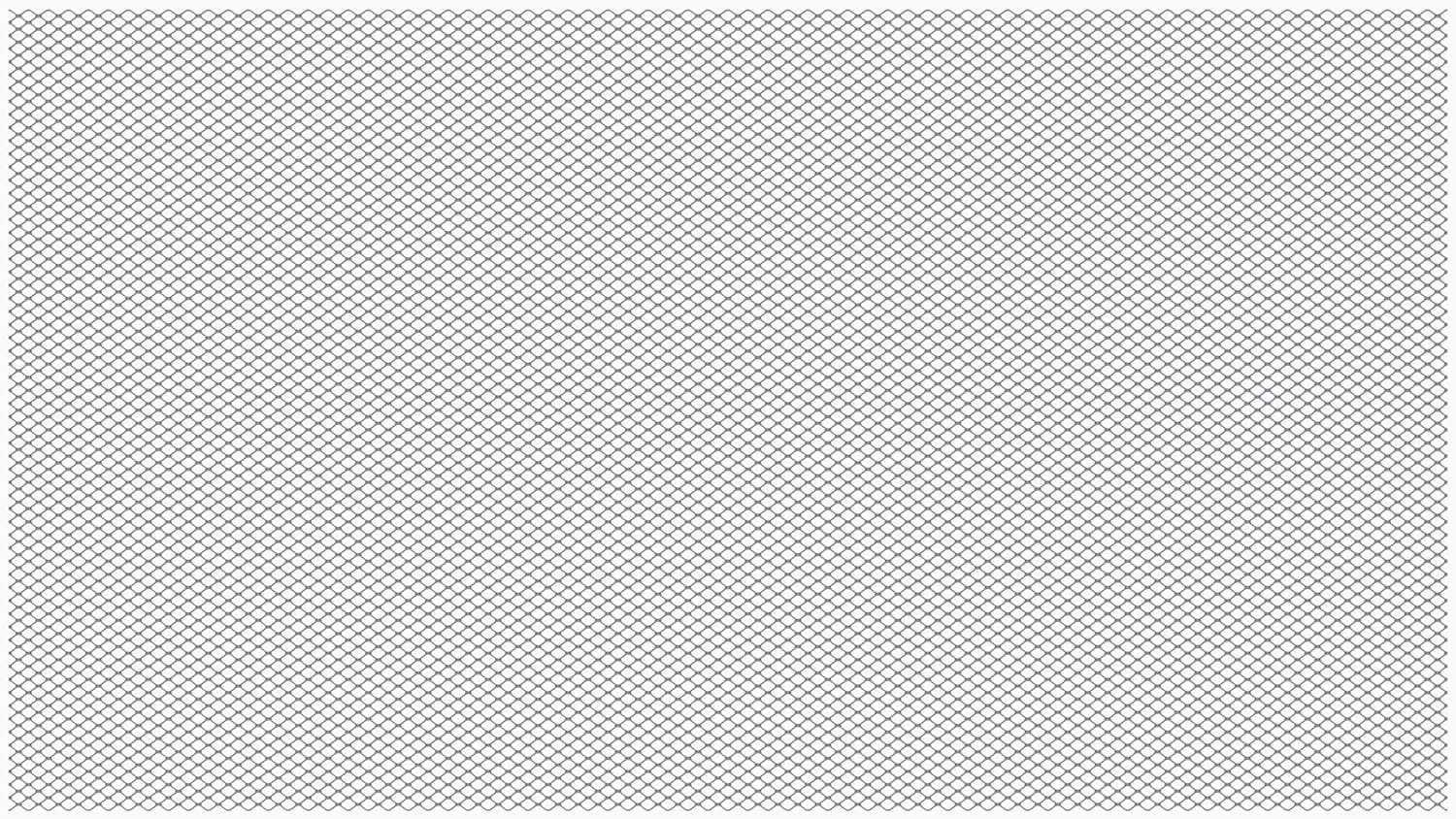
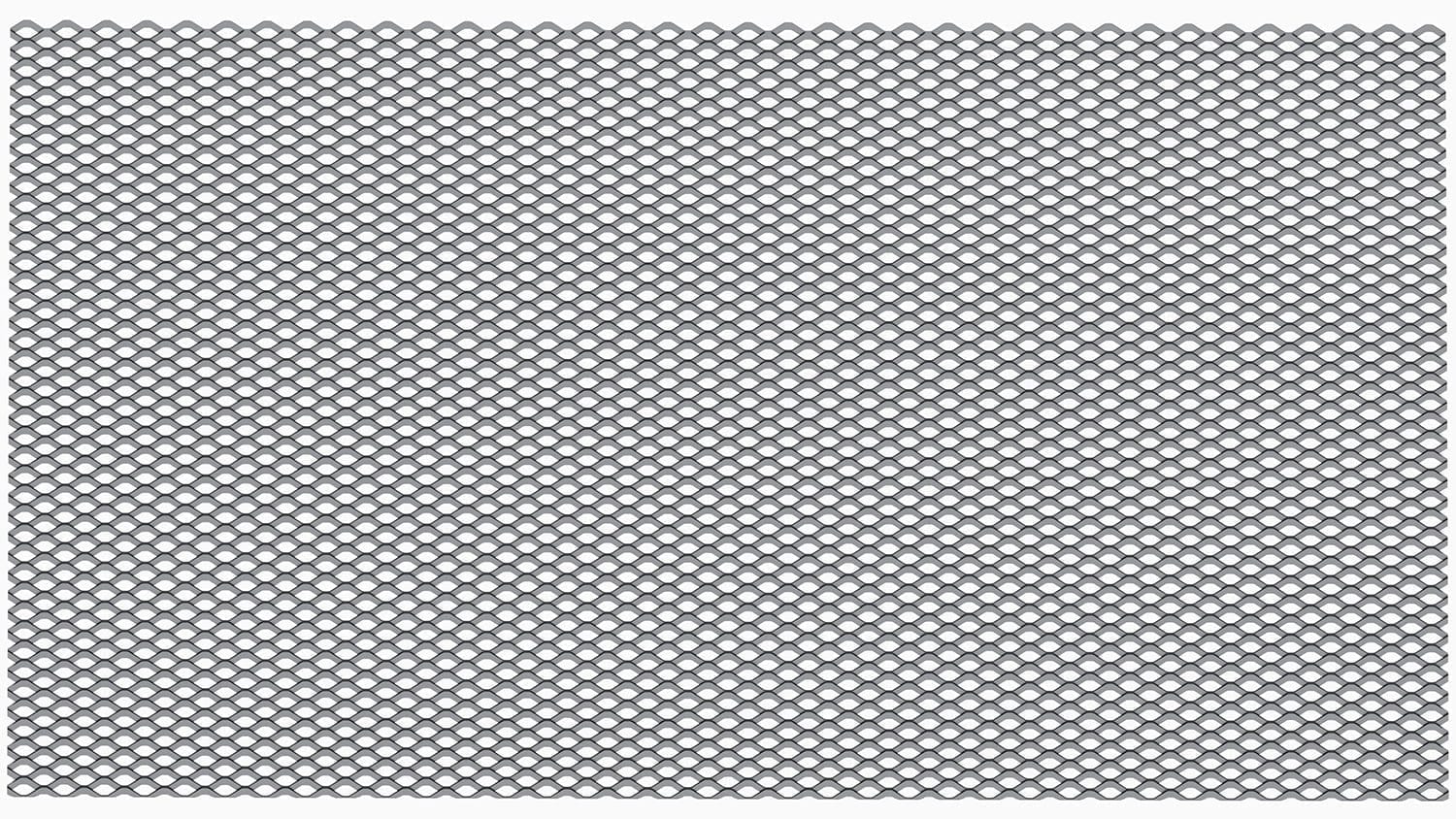
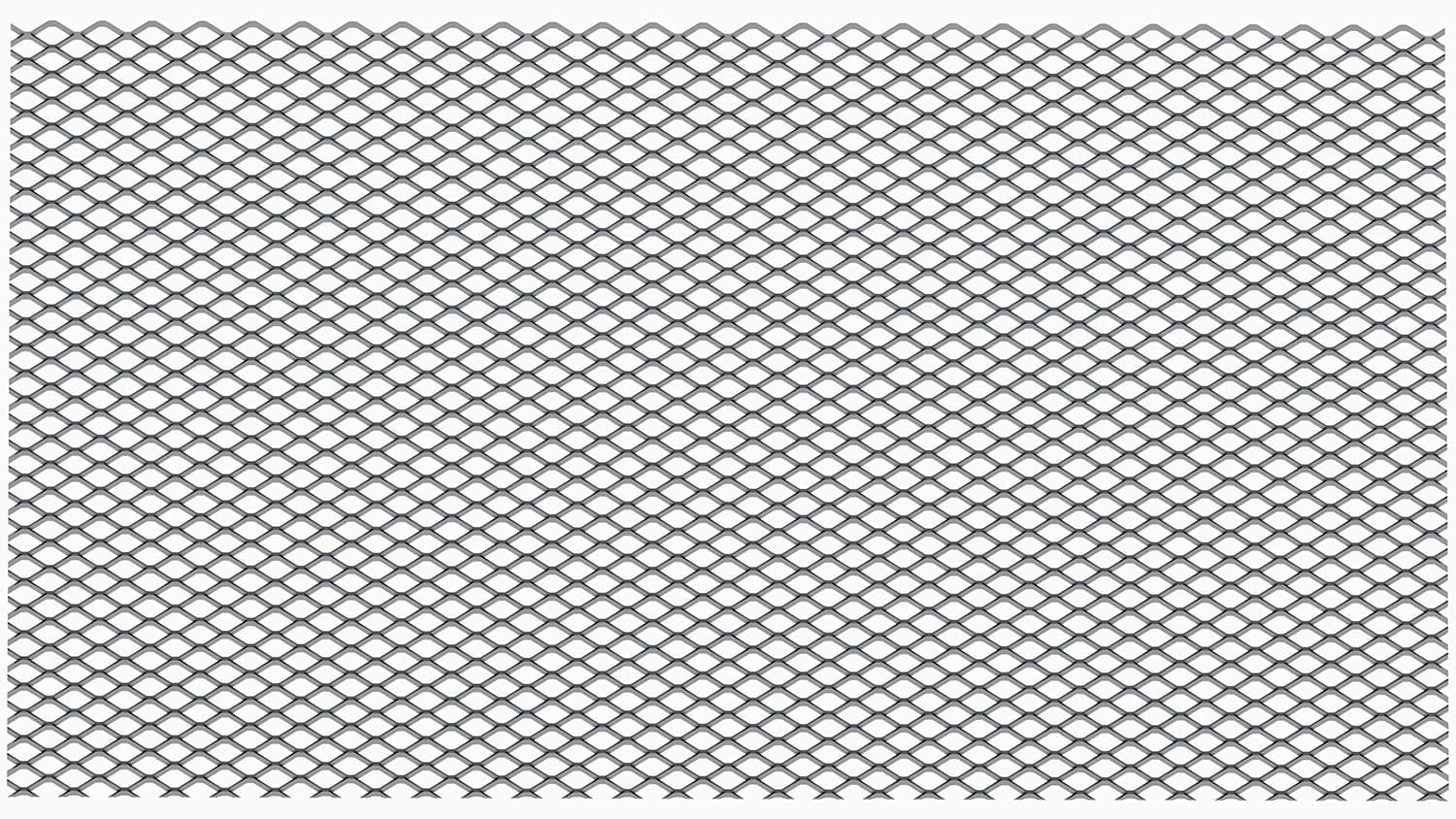
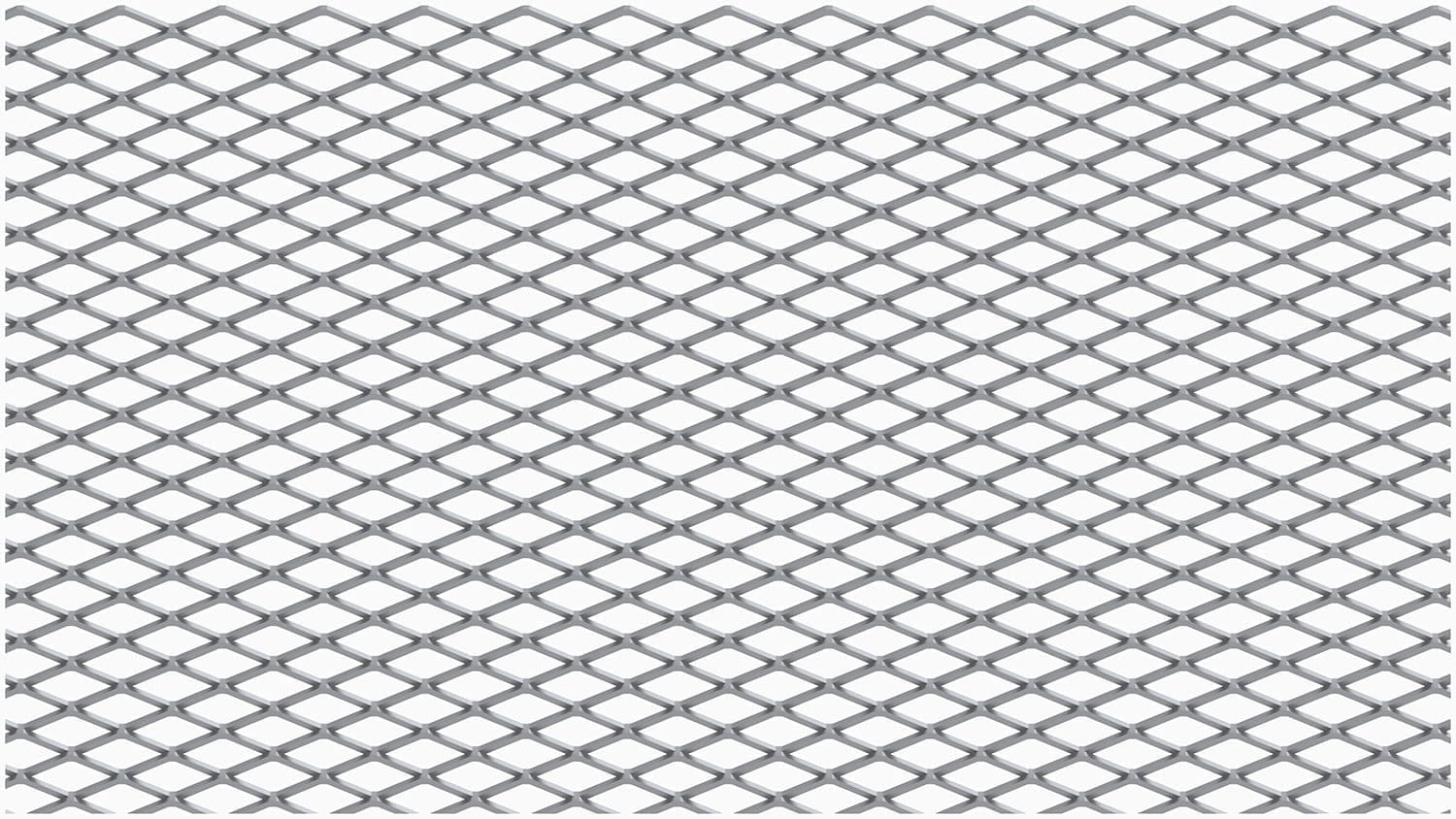
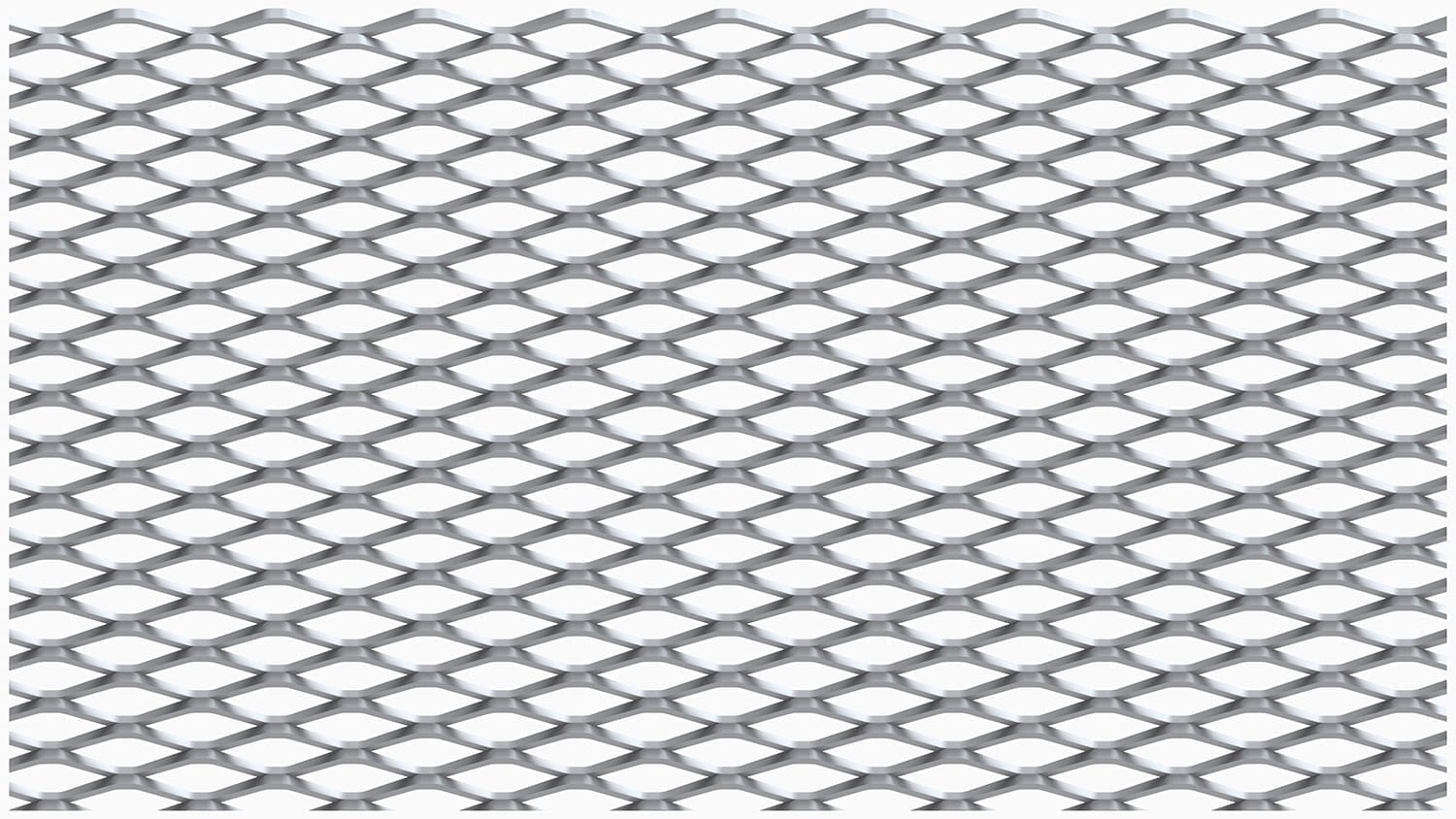
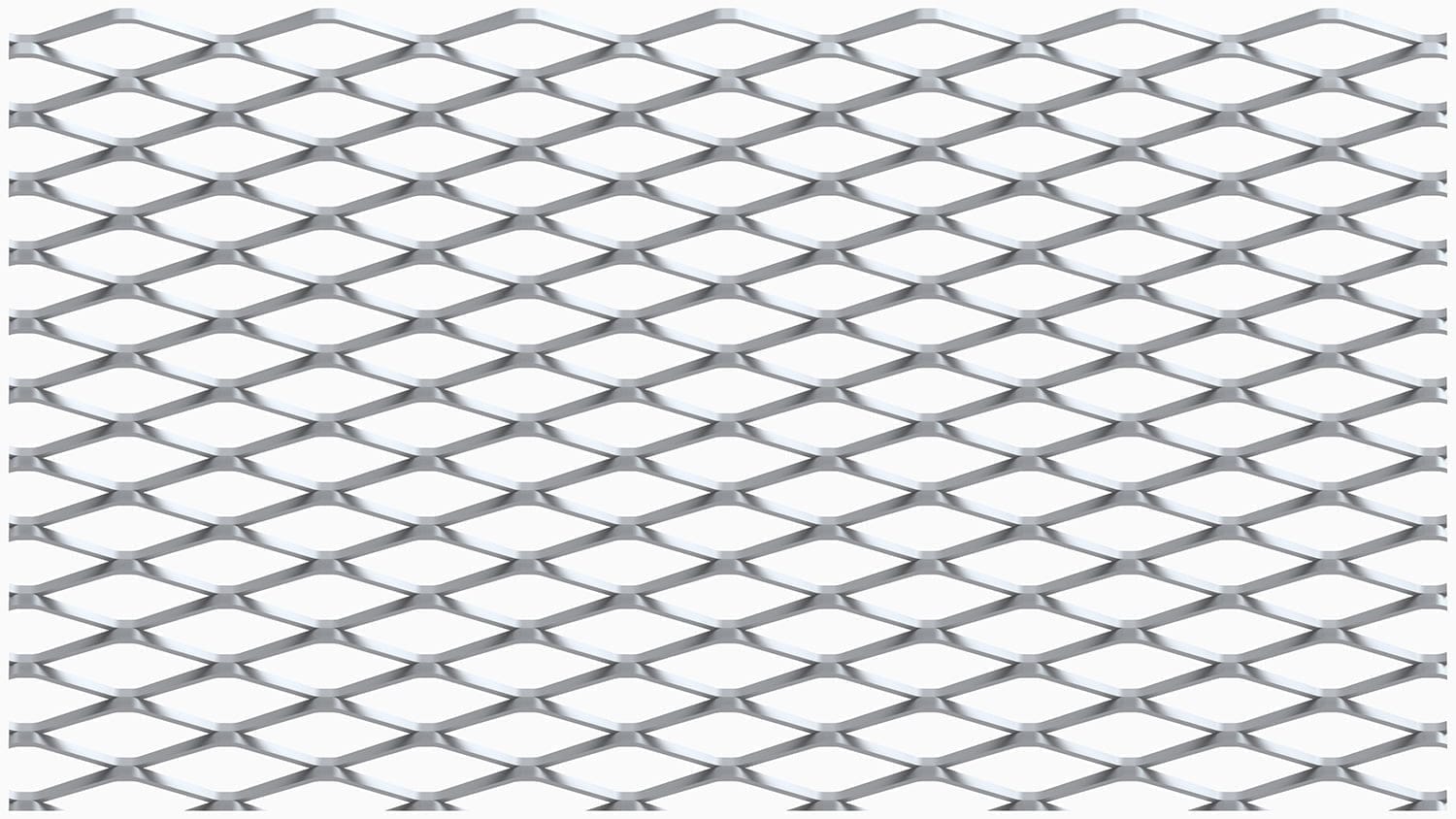
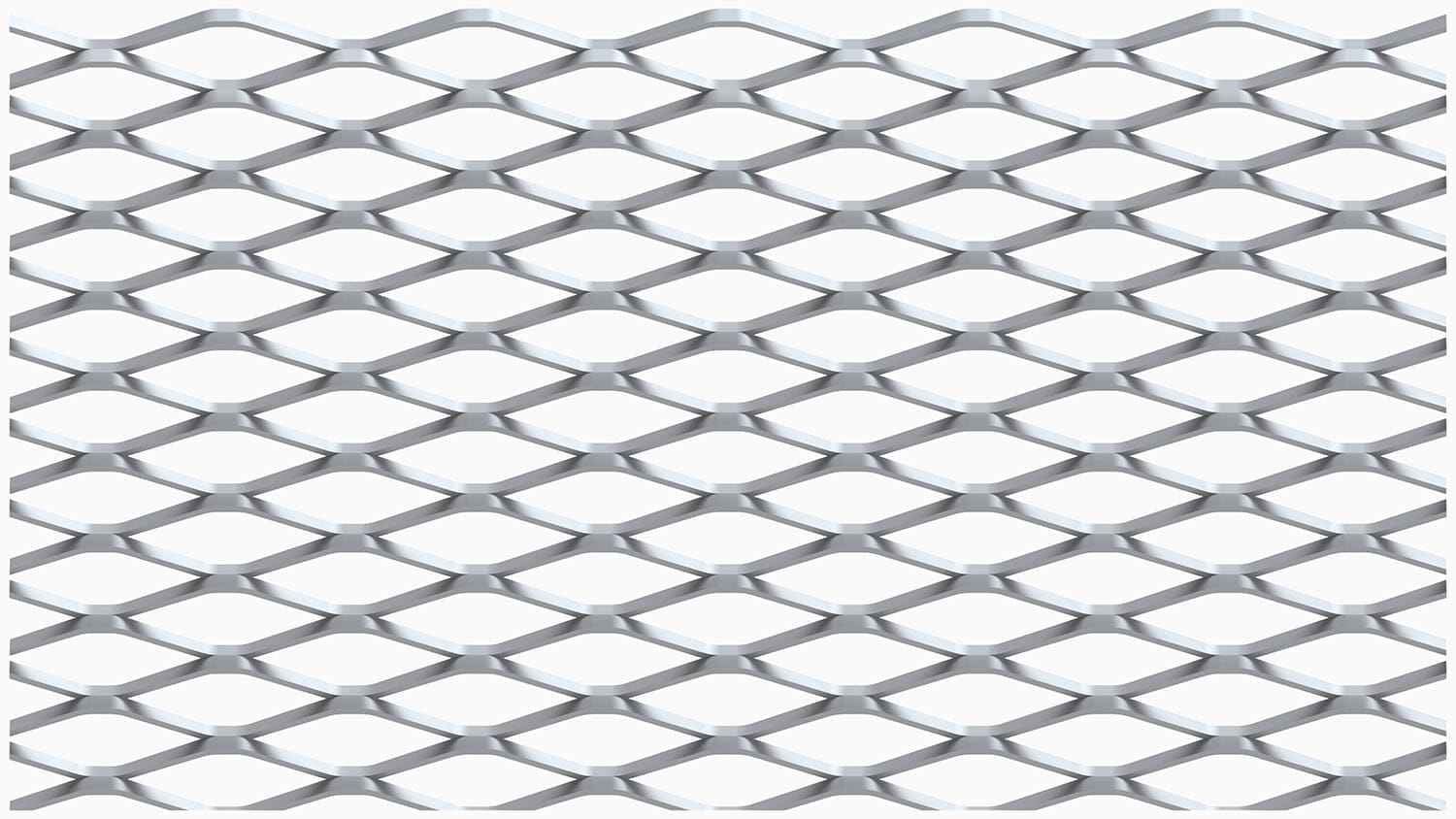
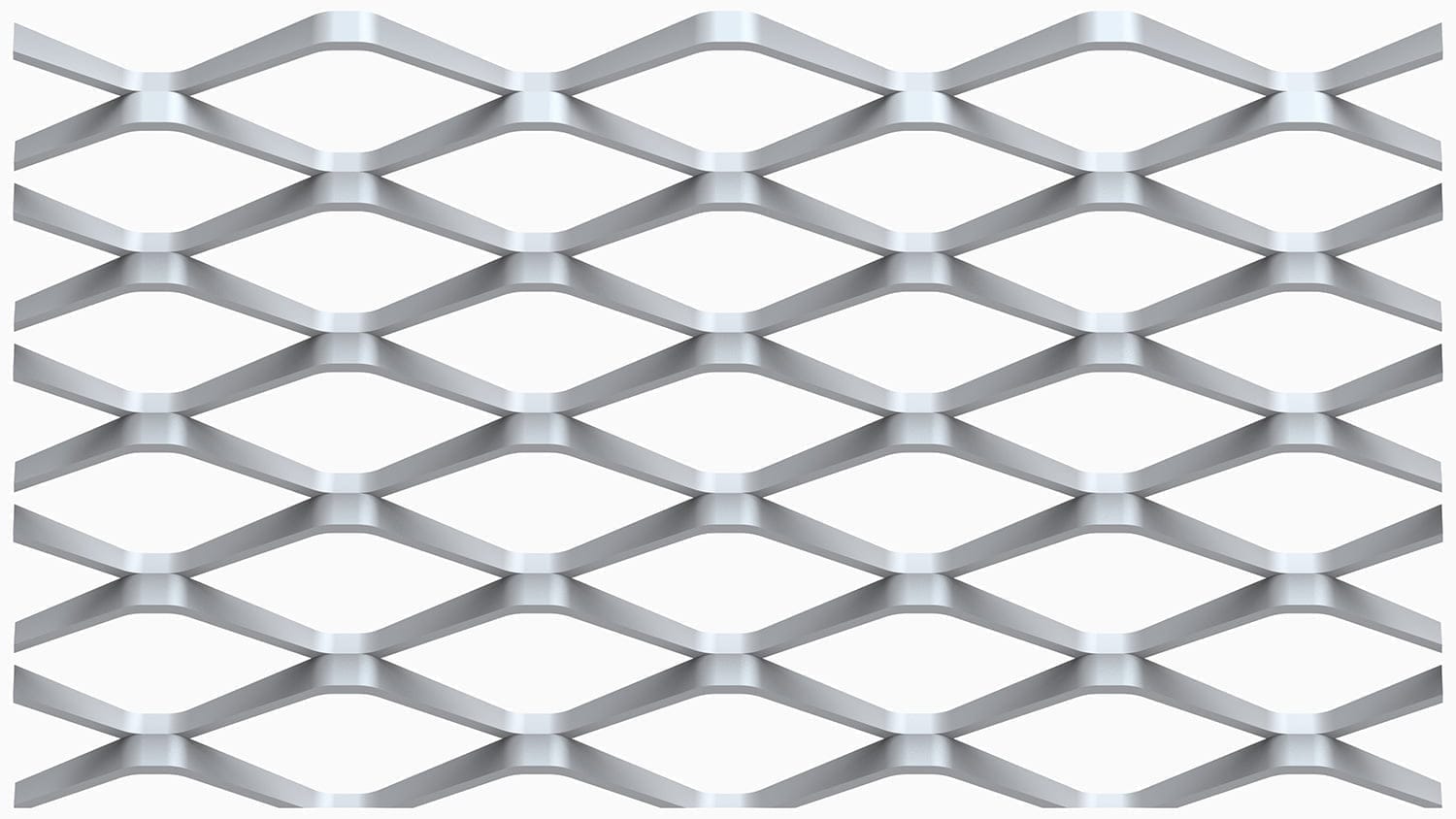
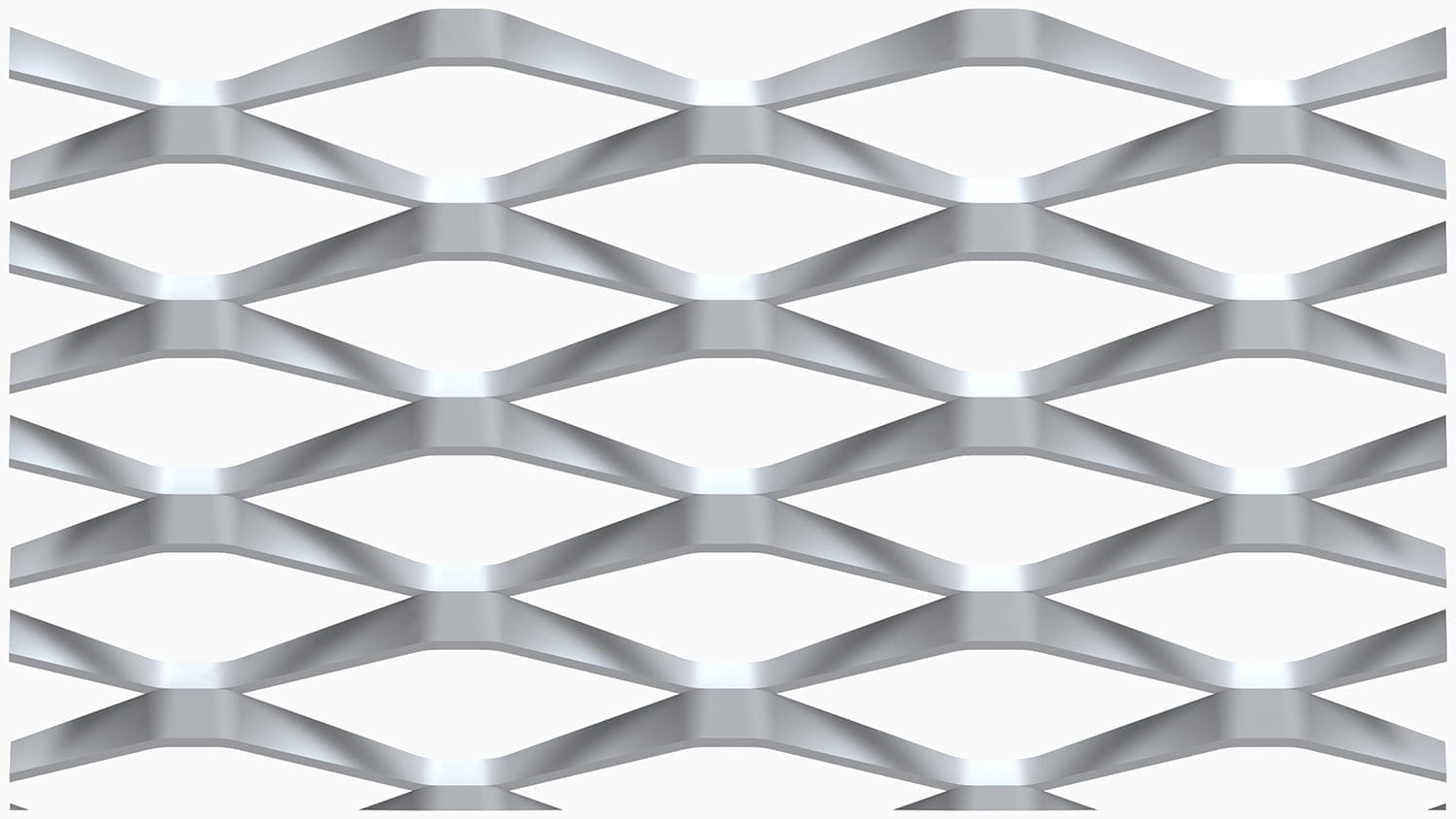
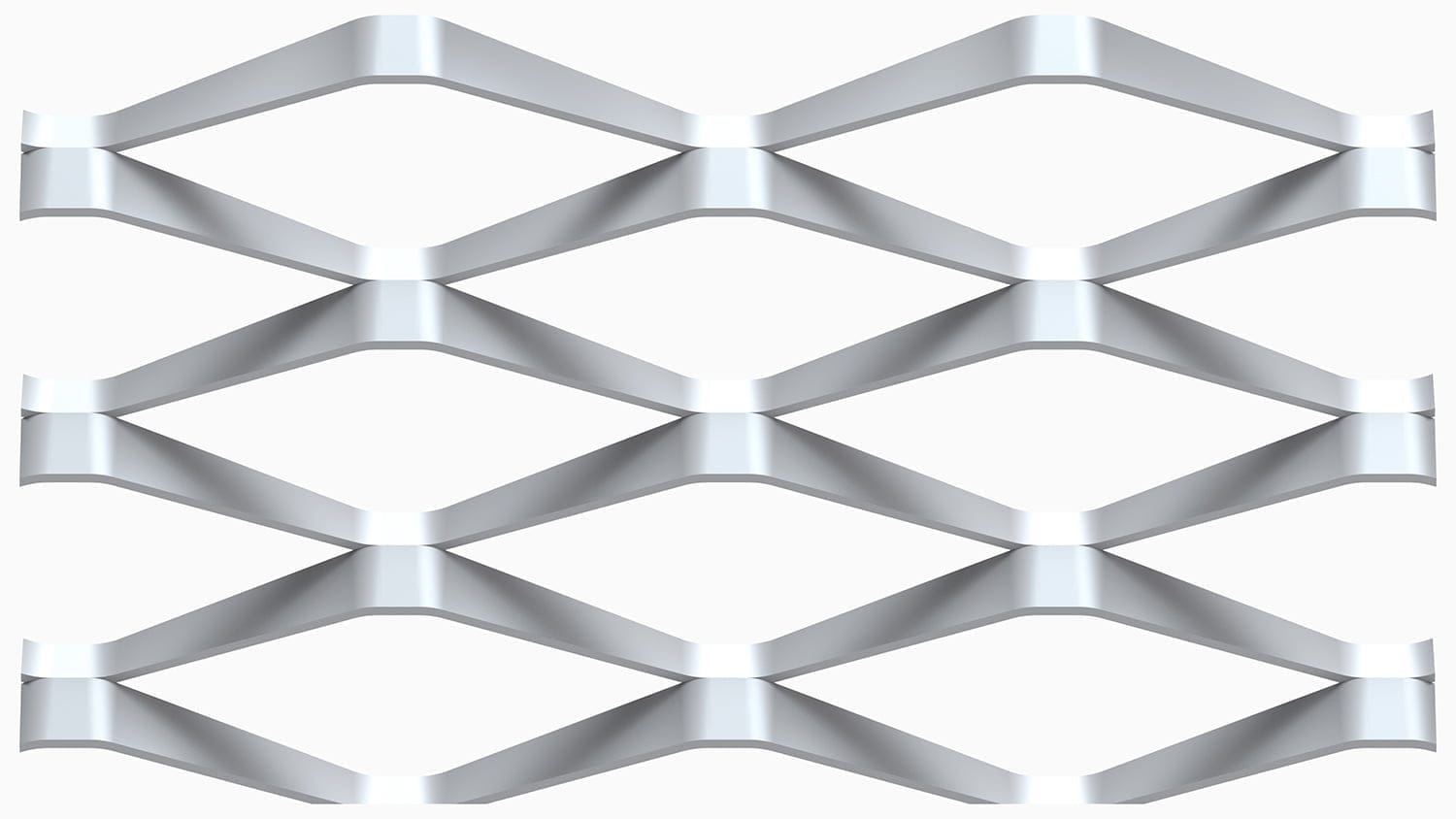
MG 04006
- Mesh size
- 4.0 × 6.0 × 1.0 mm
- Material
- 0.5 mm aluminium
- Open area
- 50%
- Strand pitch
- 0.2 – 1.0 mm
- Open area range
- 5 – 95%
- Max width
- 600 mm
MG 06012
- Mesh size
- 6.0 × 12.0 × 1.5 mm
- Material
- 2.0 mm aluminium
- Open area
- 50%
- Strand pitch
- 0.5 – 2.0 mm
- Open area range
- 5 – 95%
- Max width
- 1200 mm
MG 08016
- Mesh size
- 8.0 × 16.0 × 2.0 mm
- Material
- 1.5 mm aluminium
- Open area
- 50%
- Strand pitch
- 0.5 – 3.0 mm
- Open area range
- 5 – 95%
- Max width
- 1180 mm
MG 10030
- Mesh size
- 10.0 × 30.0 × 3.0 mm
- Material
- 2.0 mm aluminium
- Open area
- 50%
- Strand pitch
- 1.5 – 6.0 mm
- Open area range
- 5 – 95%
- Max width
- 1500 mm
MG 15045
- Mesh size
- 15.0 × 45.0 × 4.0 mm
- Material
- 2.0 mm aluminium
- Open area
- 50%
- Strand pitch
- 1.5 – 6.0 mm
- Open area range
- 5 – 95%
- Max width
- 2500 mm
MG 20060
- Mesh size
- 20.0 × 60.0 × 6.0 mm
- Material
- 2.0 mm aluminium
- Open area
- 50%
- Strand pitch
- 2.0 – 16.0 mm
- Open area range
- 5 – 95%
- Max width
- 2500 mm
MG 25075
- Mesh size
- 25.0 × 75.0 × 6.0 mm
- Material
- 2.0 mm aluminium
- Open area
- 50%
- Strand pitch
- 3.0 – 20.0 mm
- Open area range
- 5 – 95%
- Max width
- 3000 mm
MG 50115
- Mesh size
- 50.0 × 115.0 × 12.0 mm
- Material
- 3.0 mm aluminium
- Open area
- 50%
- Strand pitch
- 3.0 – 25.0 mm
- Open area range
- 5 – 95%
- Max width
- 3000 mm
MG 60160
- Mesh size
- 60.0 × 160.0 × 13.0 mm
- Material
- 3.0 mm aluminium
- Open area
- 60%
- Strand pitch
- 3.0 – 30.0 mm
- Open area range
- 5 – 95%
- Max width
- 3000 mm
MG 80200
- Mesh size
- 80.0 × 200.0 × 20.0 mm
- Material
- 3.0 mm aluminium
- Open area
- 50%
- Strand pitch
- 4.0 – 40.0 mm
- Open area range
- 5 – 95%
- Max width
- 2200 mm
RAL colour options
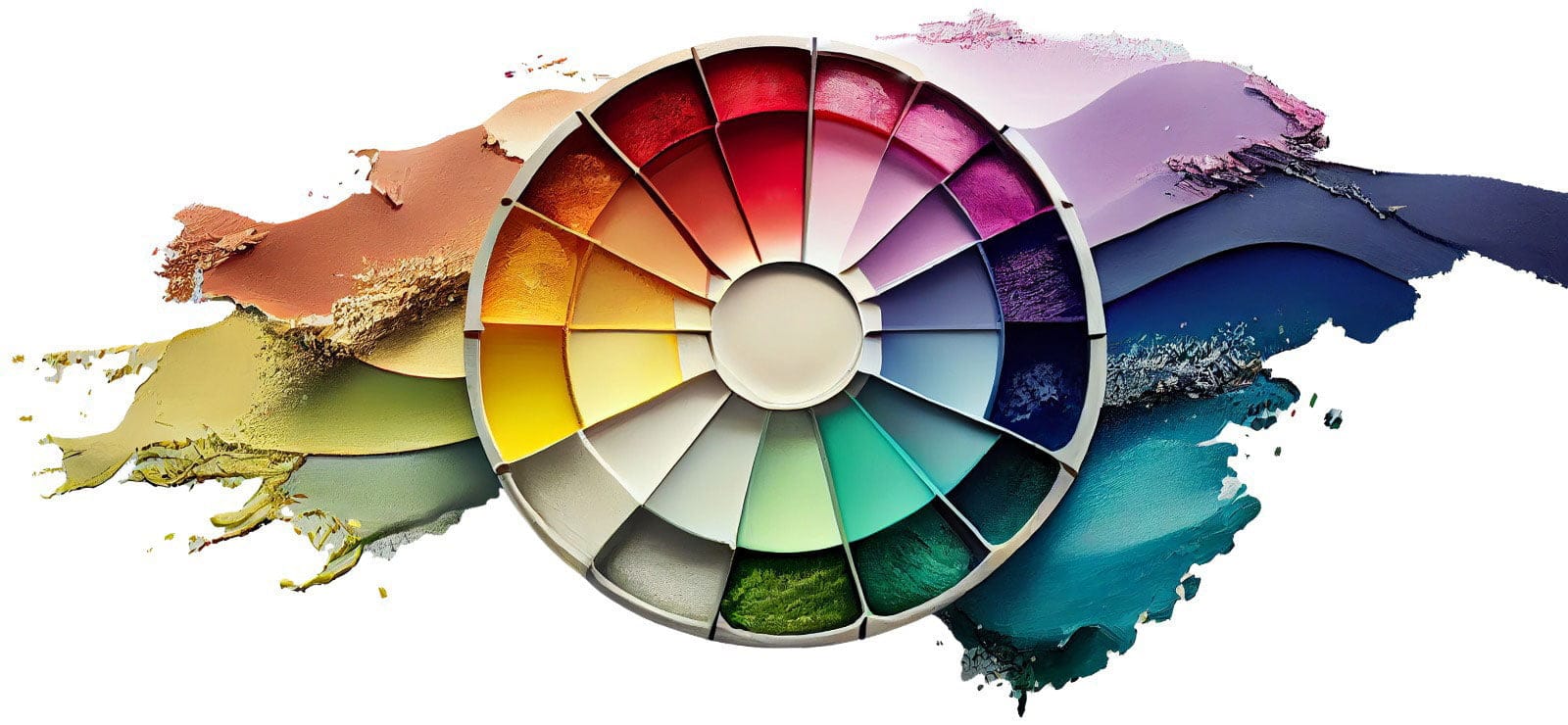
Applied in any project-specific RAL colour on request.
Similar products
Completed projects
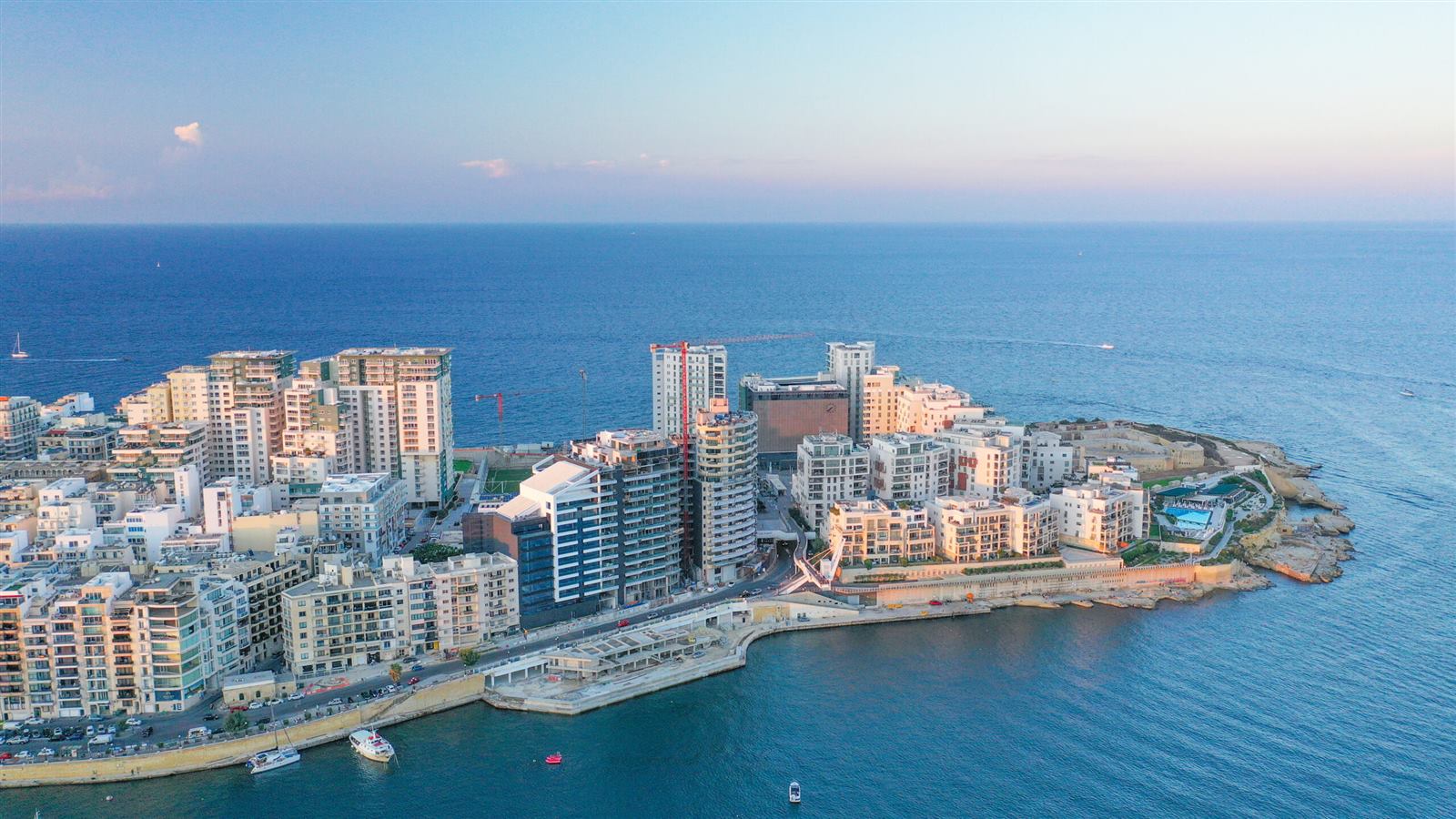 Office · 2024
BET365 Office
Office · 2024
BET365 Office
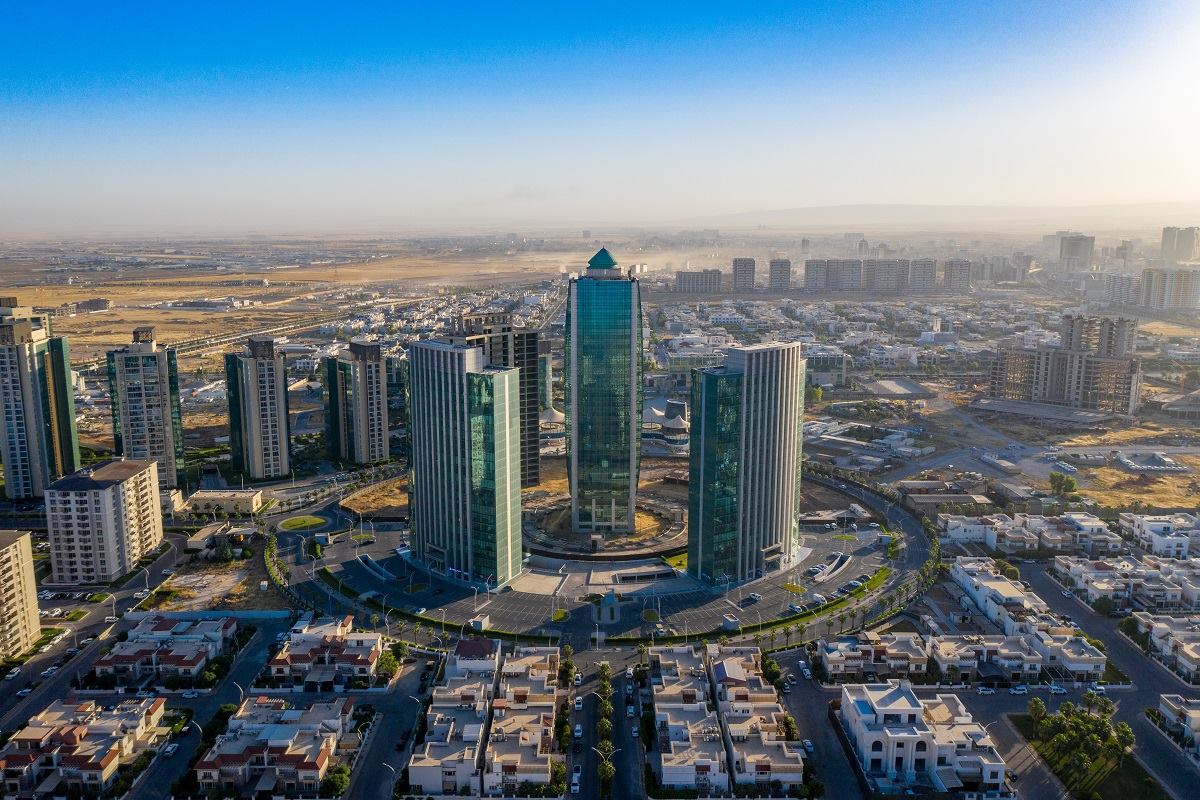 Office · 2019
Business Tower
Office · 2019
Business Tower
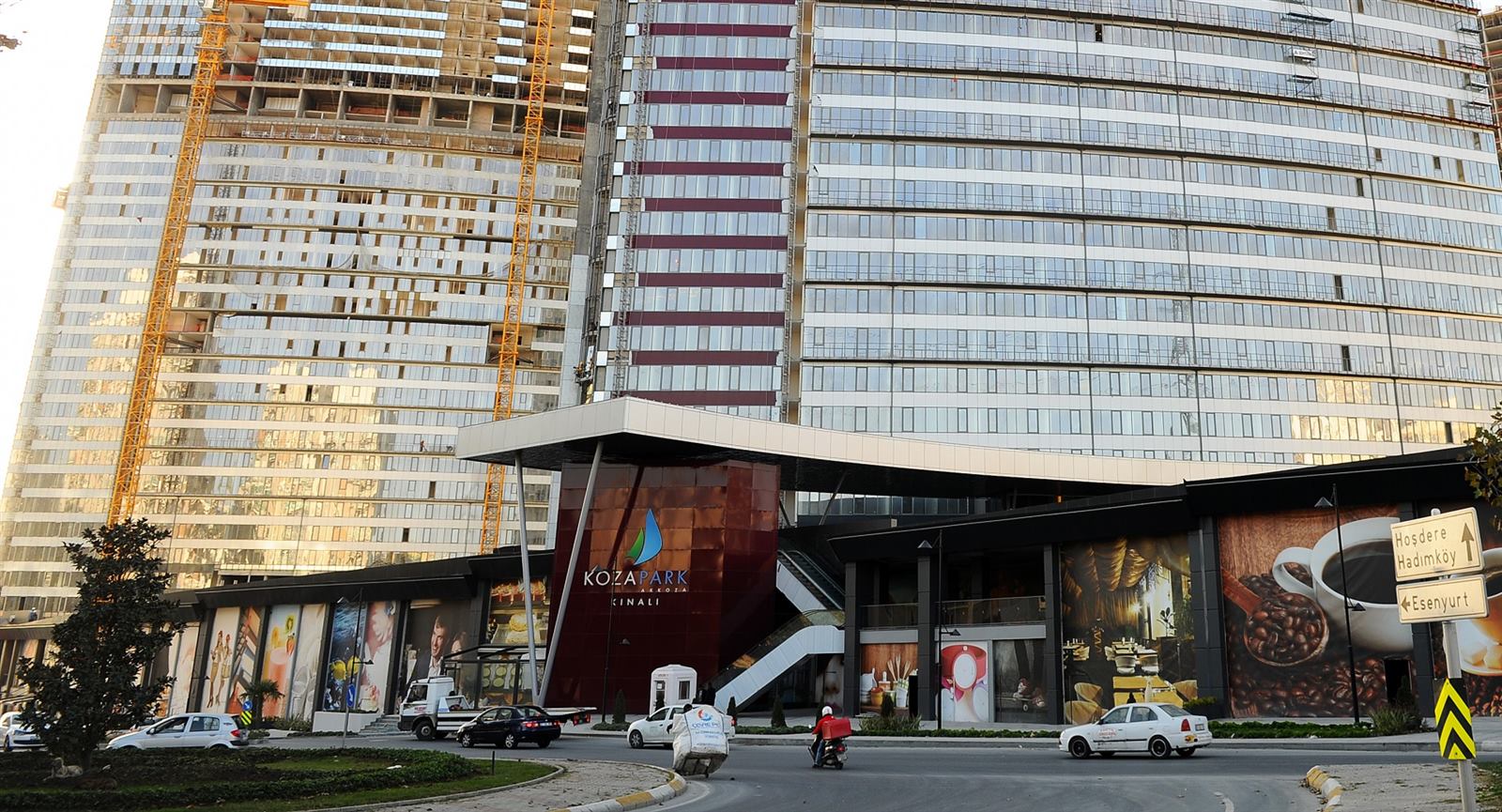 Office · 2024
Garanti Kozapark
Office · 2024
Garanti Kozapark
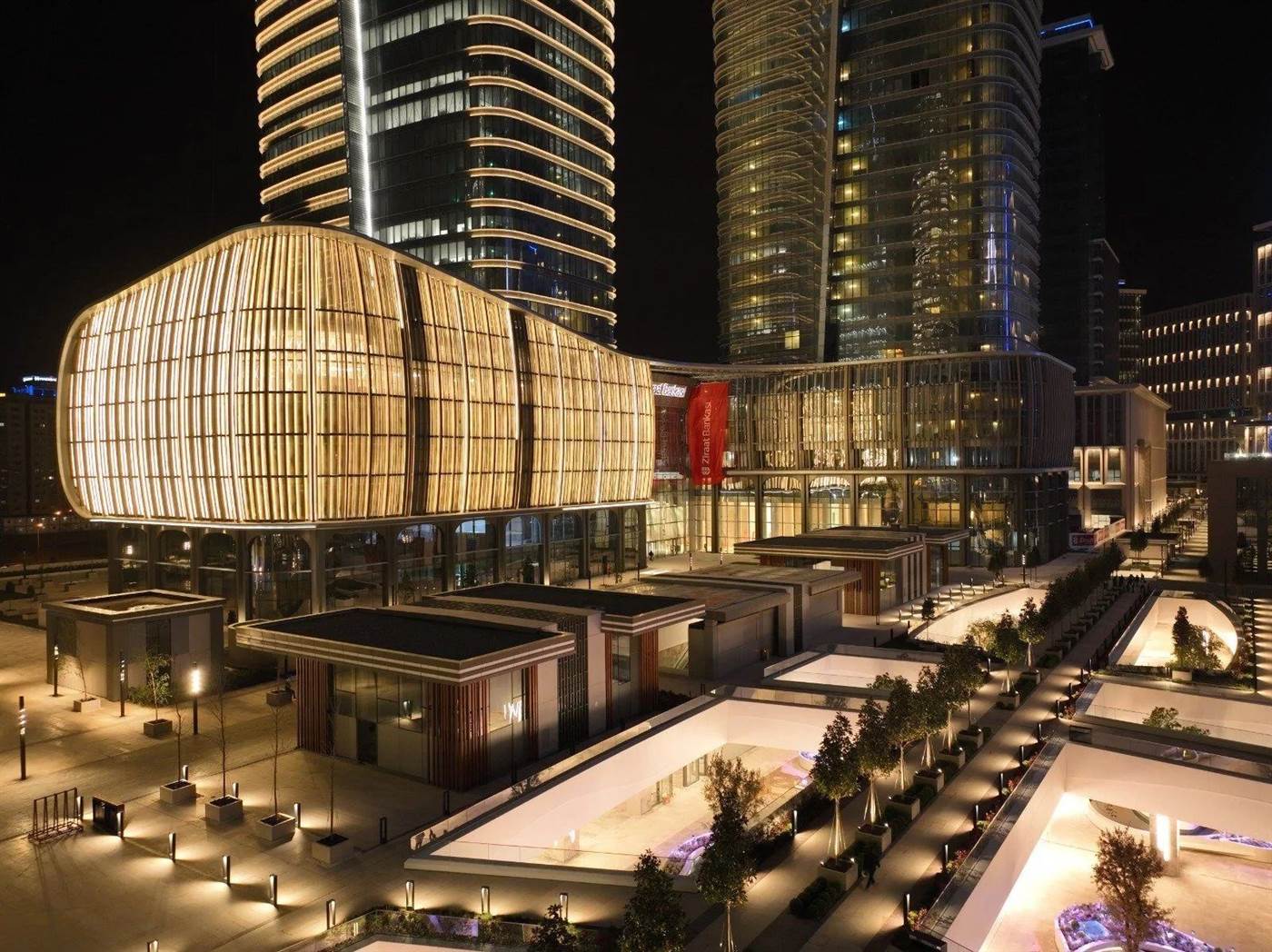 Office · 2024
Ziraat Bank Central Podium
Office · 2024
Ziraat Bank Central Podium
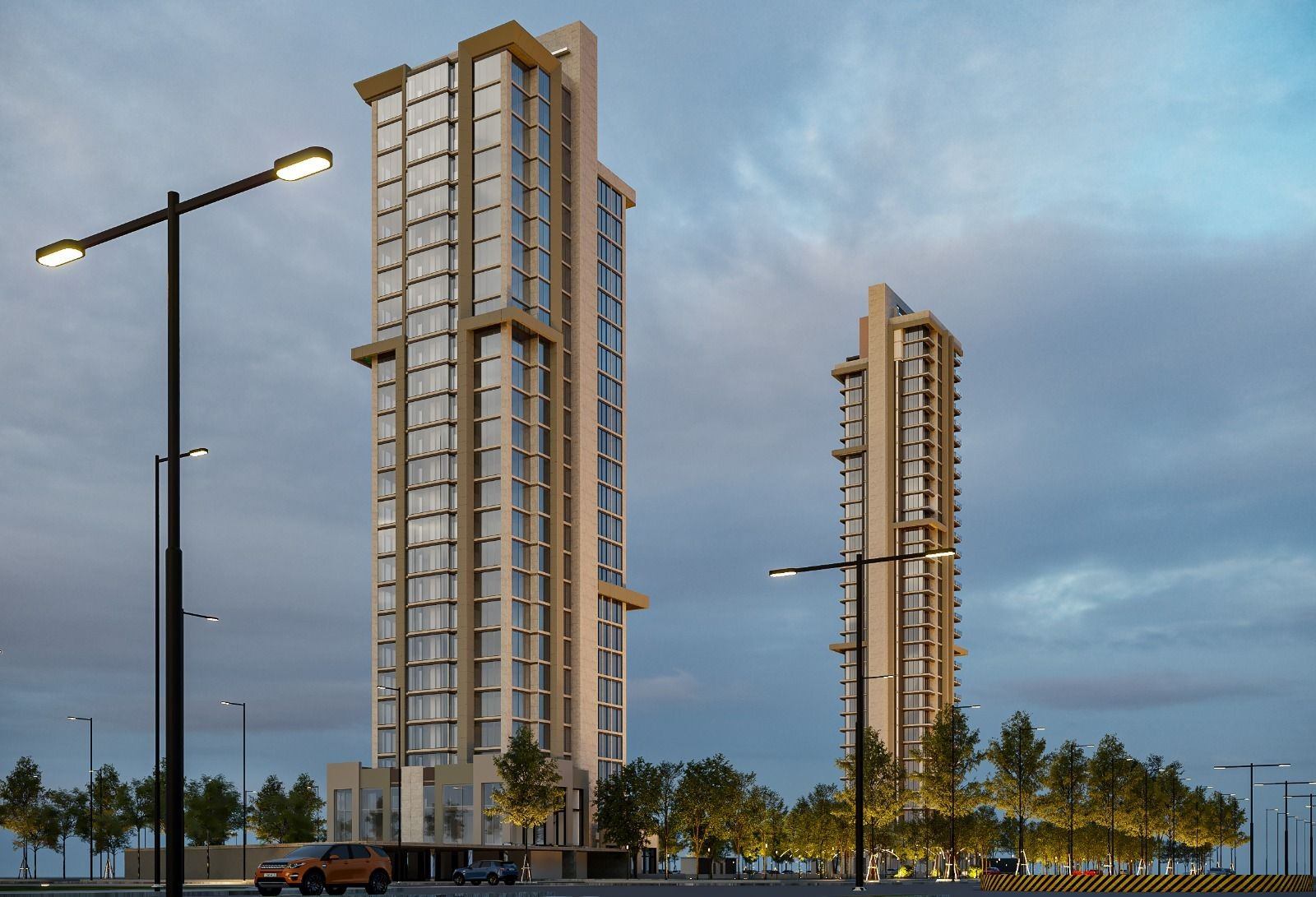 Residence · 2024
Tuna Park Atasehir
Residence · 2024
Tuna Park Atasehir
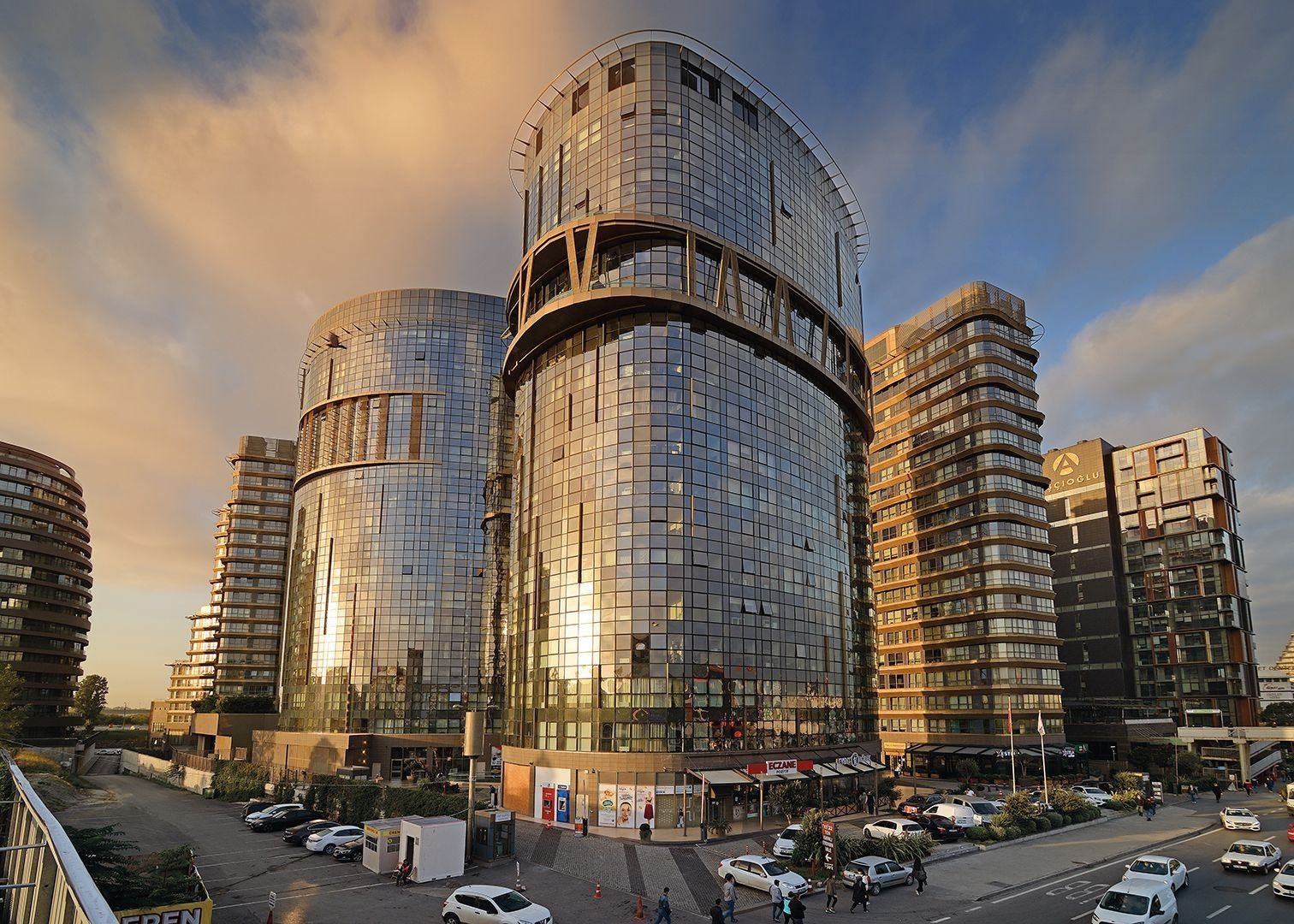 Residence · 2024
Nef22 B-E-F Blocks
Residence · 2024
Nef22 B-E-F Blocks
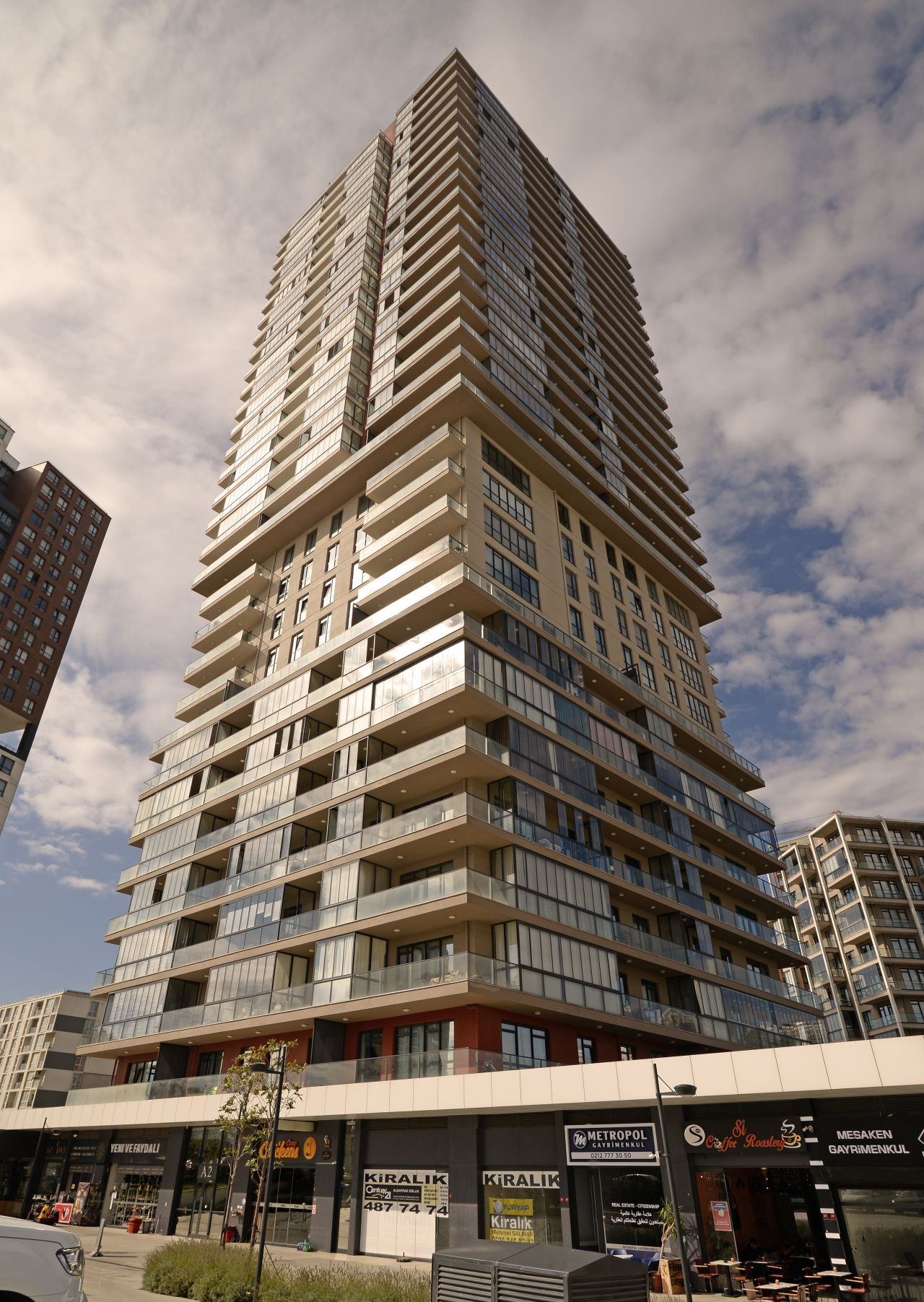 Mixed-Use · 2024
Adim Istanbul
Mixed-Use · 2024
Adim Istanbul
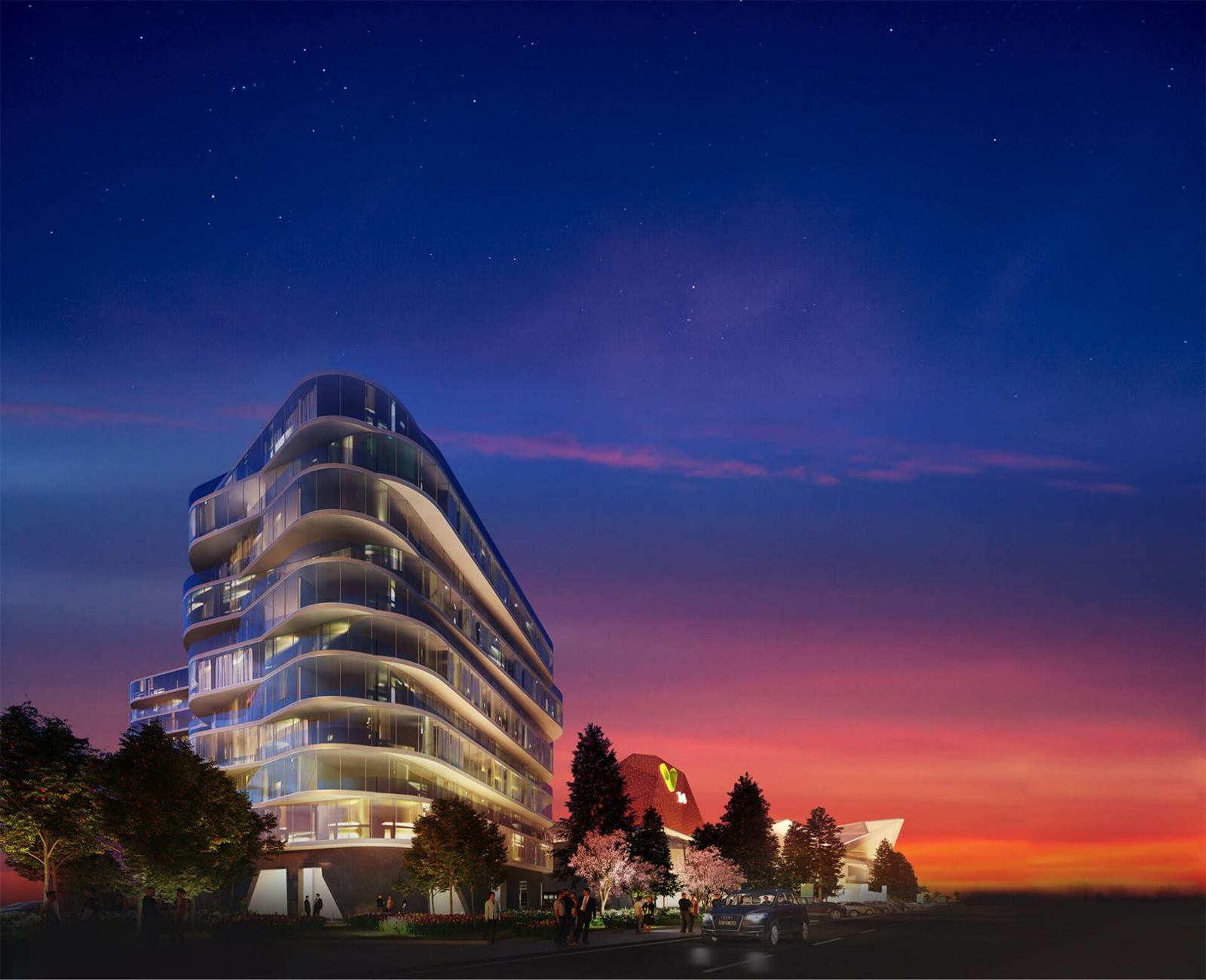 Mall · 2024
14 Burda Residence & Mall
Mall · 2024
14 Burda Residence & Mall
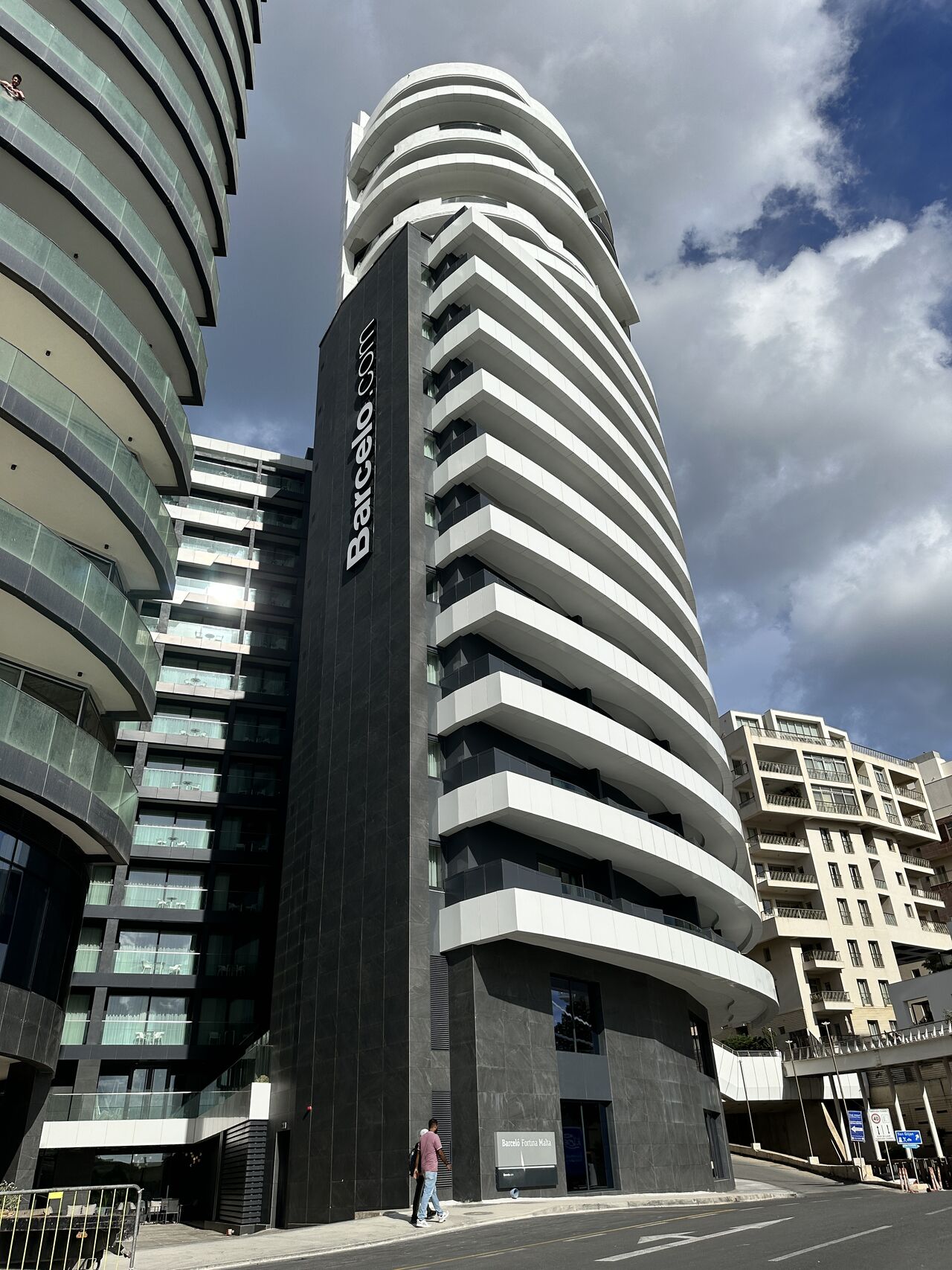 Hotel · 2024
Barceló Fortina Hotel
Hotel · 2024
Barceló Fortina Hotel
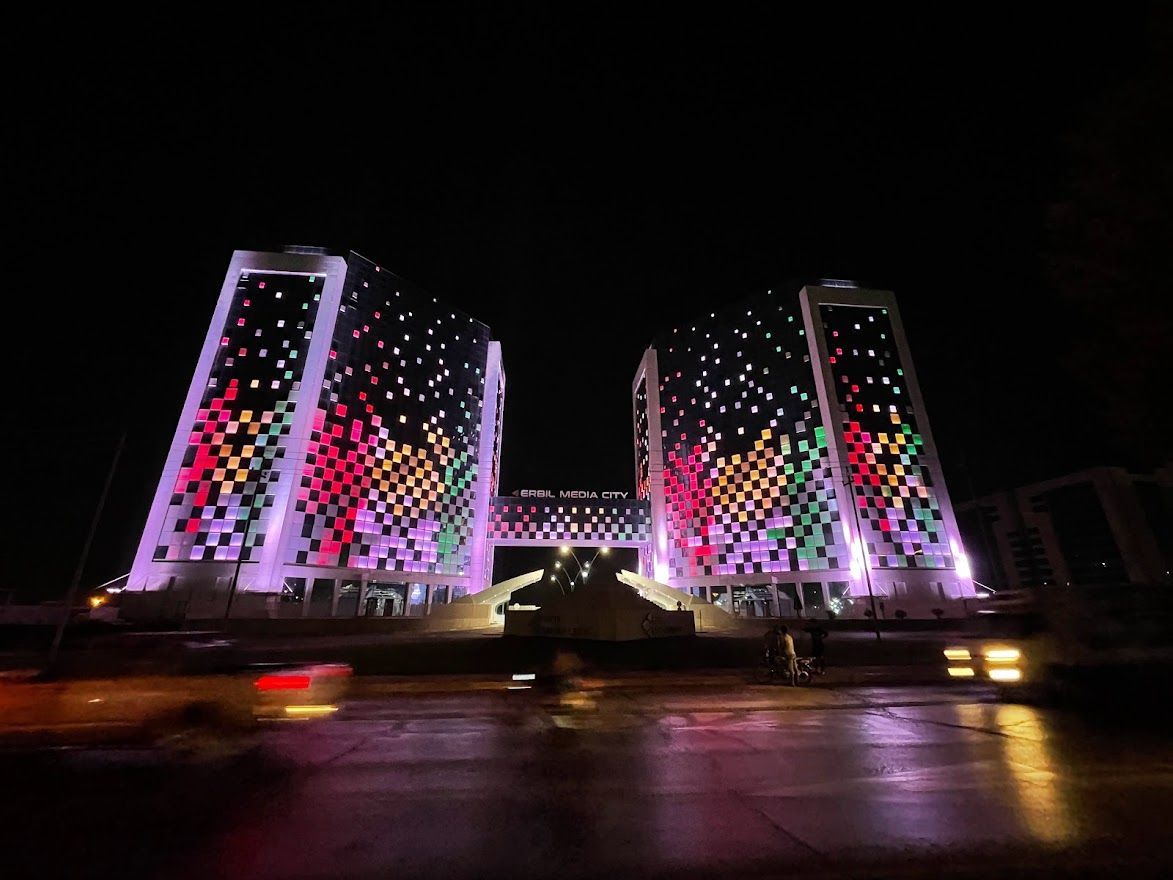 Office · 2024
Erbil Media City
Office · 2024
Erbil Media City